Desserts · Part 2 of 3: Instructions
Crispy Caramelized Spanish Brioche Torrija Step-by-step instructions
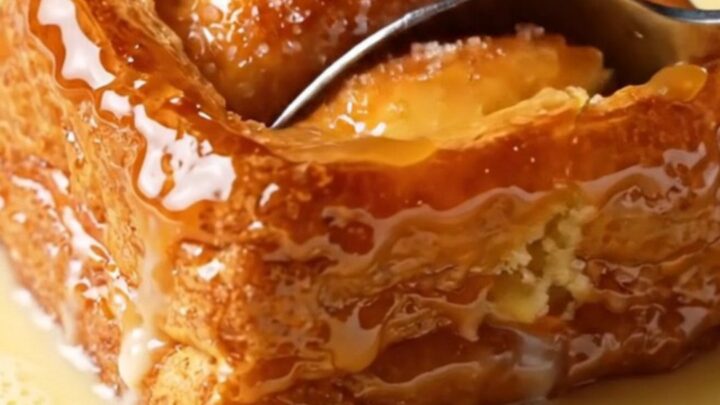
- Prep
- Cook
- Total
- Serves
- 4
Before you start
Before beginning, ensure all ingredients are at room temperature. Prepare a clean, flat workspace for the soaking process. Have your non-stick skillet ready near the stove. Ensure your eggs are beaten thoroughly in a shallow bowl that can accommodate the bread slices comfortably.
Keep your spatula and tongs clean and dry. Check that your butter is measured and ready for immediate use. Organize all your citrus peels, cinnamon sticks, and vanilla beforehand to keep the infusion process moving smoothly and prevent any unnecessary delays during the cooking phase.
Ingredients at a glance (9)
- 2 cups whole milk
- 1 1/4 cups heavy cream
- orange and lemon peels, to taste
- 1 tsp vanilla extract
- 1 stick cinnamon stick
- 4 thick slices brioche bread
- 2 large eggs, beaten
- 3 tbsp unsalted butter
- 1/4 cup granulated sugar
Instructions
Infusion and Soaking
- Infuse the custard baseIn a saucepan, combine the milk, heavy cream, citrus peels, vanilla, and cinnamon stick. Heat gently over medium-low until warm but not boiling. Remove from heat and let it steep for ten minutes. Strain the mixture into a shallow dish and let it cool until warm to the touch.Look for The liquid should be fragrant and infused with citrus oils.Tip Ensure the liquid is not too hot before soaking, or the bread may disintegrate.
- Soak the briochePlace the thick brioche slices into the shallow dish with the warm custard mixture. Let the bread soak for one full hour, turning carefully halfway through to ensure even absorption throughout the center of each slice.Look for The bread should feel heavy and completely saturated with the custard.Tip Handle the soaked bread gently with a spatula to prevent it from breaking.
The bread should be fully saturated and feel significantly heavier than when you started. The custard mixture should be fragrant, smelling of citrus and warm cinnamon. The bread slices should be handled with extreme care, as they are fragile from the liquid absorption. Before moving to the next phase, ensure that the bread has absorbed enough liquid to feel soft and dense, and that the pan is ready for the searing process, with your butter and sugar measured out for quick access.
Searing and Caramelization
- Sear and caramelizeDip each soaked slice into the beaten eggs. In a non-stick skillet, melt the butter over medium heat until browned. Add the brioche slices and sprinkle with sugar. Sear until the sugar melts and forms a deep, golden-brown brittle crust, ensuring the internal custard reaches at least 160°F (71°C) for safety.Look for The edges should be crispy and the sugar should form a shiny, hard caramel layer.Safe temperature 160°F (71°C) internal temperature (egg dishes)Tip Work in batches to avoid overcrowding the pan for a better sear.
The slices should now feature a glossy, deep-brown crust that is hard to the touch. You should hear a distinct sizzling sound as the sugar melts into the butter. The bread should be firm enough to hold its shape when lifted with a spatula. Check that the sugar has formed a continuous, brittle layer across the entire surface of each slice. If the sugar appears patchy, you may need to add a small amount more to ensure a complete, even caramelization during the final moments of searing.
Plating and Serving
- Final platingServe the warm Torrija immediately. Place each slice over a small pool of vanilla anglaise for the best experience. Enjoy the contrast between the hot, crunchy exterior and the cool, creamy interior.Look for The sugar shell should be brittle and break easily with a spoon.Tip Serve immediately to maintain the crunch of the caramelized sugar shell.
The finished Torrija should be served immediately while the crust is still warm and brittle. The vanilla anglaise at the bottom of the plate provides a cool, creamy contrast to the warm, toasted brioche. The dish should look professional, with a vibrant contrast between the golden-brown crust and the light, custardy interior.
Before serving, ensure the plates are clean and the presentation is neat. The overall experience should be one of contrasting temperatures and textures, with the sweet aroma of caramelized sugar and citrus.
Common mistakes
A common mistake is rushing the soaking time; if the bread does not absorb enough custard, the interior will not reach that signature molten texture. Another error is overcrowding the pan, which prevents the sugar from caramelizing properly and results in a soggy crust.
Using too high a heat will burn the sugar before the bread is heated through, leading to a bitter taste. Always monitor the heat closely and adjust accordingly to maintain a steady, gentle sear that creates a perfect, uniform golden crust.
How to tell it’s done
The Torrija is done when the exterior is encased in a deep, golden-brown brittle sugar shell that crackles when pressed. The internal custard must reach a safe temperature of at least 160°F (71°C) to ensure the eggs are fully cooked.
The center should feel firm enough to hold its shape but remain trembling and moist. If the sugar darkens too quickly before the center is hot, reduce the heat slightly to allow the heat to penetrate the bread thoroughly without burning the caramel exterior.
- Egg dishes: 160°F (71°C) in the thickest part
Up next · Part 3 of 3
2 variations · storage & make-ahead · 3 answers · printable card
Tips, FAQ & printable recipe (Part 3)← Back to the ingredients (Part 1)