Desserts · Part 1 of 3: Ingredients
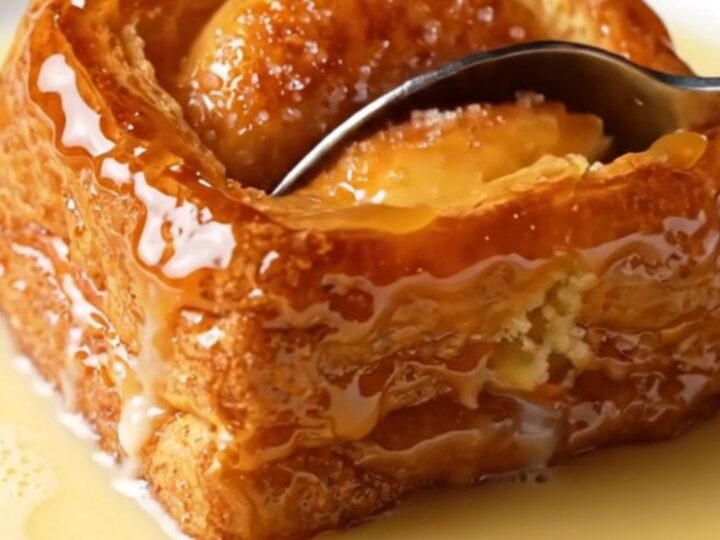
Crispy Caramelized Spanish Brioche Torrija
- Prep
- Cook
- Total
- Serves
- 4
Discover the secret to the perfect Spanish Torrija, a decadent dessert that balances a brittle, caramelized sugar shell with a rich, custard-soaked brioche center. This classic Spanish treat is essentially the ultimate custard toast, elevated by aromatic citrus and vanilla infusions.
Perfect for special brunches or a sophisticated end to a dinner party, this recipe delivers a restaurant-quality experience right in your home kitchen. Learn the precise techniques to achieve that signature crunch and luxurious, molten interior every single time you cook it.
Torrija is a beloved Spanish tradition, often enjoyed during festive seasons, but its timeless appeal makes it a versatile dessert year-round. Unlike standard French toast, the secret here lies in the long soaking process and the final caramelization step, which creates a texture reminiscent of crème brûlée.
By using high-quality brioche and a rich dairy base, you create a dessert that is both comforting and incredibly refined. Follow these steps carefully to master the art of the perfect, golden-brown, crispy Torrija that will impress any guest with its professional finish and authentic, deep flavors.
Ingredients
Custard Soak
- 2 cups whole milk
- 1 1/4 cups heavy cream
- orange and lemon peels, to taste
- 1 tsp vanilla extract
- 1 stick cinnamon stick
- 4 thick slices brioche bread
Cooking
- 2 large eggs, beaten
- 3 tbsp unsalted butter
- 1/4 cup granulated sugar
Why this recipe works
The extended soaking time is crucial for this recipe. By allowing the thick brioche slices to rest in the citrus-cinnamon cream for a full hour, the bread absorbs the liquid completely. This ensures that the interior remains moist, trembling, and custard-like once cooked, providing the necessary contrast to the outer shell. Without this step, the bread would remain dry and lack the luxurious mouthfeel that defines an authentic Torrija.
The method of searing in browned butter with an added layer of granulated sugar is what creates the signature brittle shell. As the sugar hits the hot pan, it undergoes a precise caramelization process, forming a hard, glass-like coating.
This technique mimics the effect of a blowtorch used on crème brûlée, providing a satisfying snap when you break into the toast with a spoon, while the butter adds a nutty depth to the overall flavor profile.
Notes and substitutions
When selecting brioche, look for a loaf with a tight, uniform crumb. Stale or slightly dry bread often works better than very fresh bread as it absorbs the custard without falling apart too easily. If you cannot find thick-cut brioche, buy a whole loaf and slice it yourself to the desired thickness, ensuring consistency across all pieces for even cooking results throughout the batch.
The equipment choice is vital for success. A heavy-bottomed saucepan provides even heat distribution for the custard infusion, preventing scorching. A non-stick skillet is mandatory for the searing step; it allows the caramelized sugar to release from the pan easily without sticking.
Using a wide, slotted spatula is essential for transferring the delicate, custard-heavy bread slices from the soaking dish to the pan without breaking them apart.
- Brioche bread: Challah bread or any rich, dense egg-based bread
- Heavy cream: Half-and-half for a slightly lighter custard base
Equipment
- Heavy-bottomed saucepan
- Large shallow dish
- Non-stick skillet
- Tongs
- Slotted spatula
Up next · Part 2 of 3
4 steps · 10 min of cooking · what to look for at each stage
Step-by-step instructions (Part 2)