Breakfast · Part 1 of 3: Ingredients
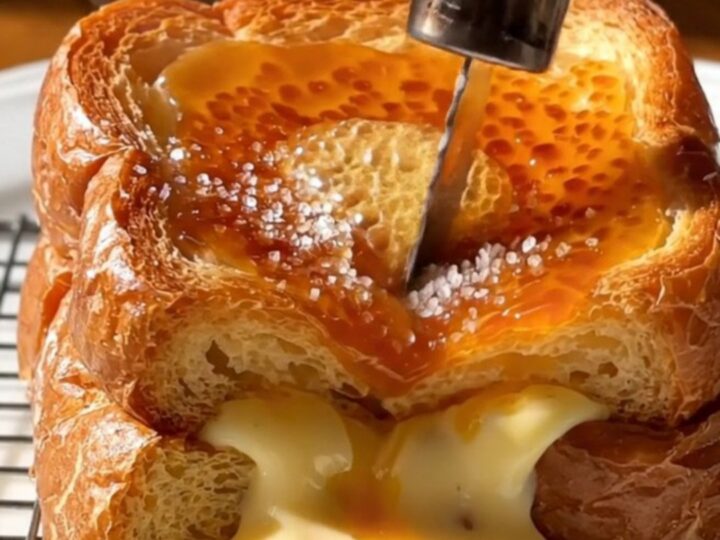
Crème Brûlée Stuffed Brioche French Toast
- Prep
- Cook
- Total
- Serves
- 4
Elevate your weekend brunch with a restaurant-quality dish that balances the soft, buttery texture of premium brioche with a luxurious, molten vanilla custard center and a shattered caramel top.
This recipe brings the technique of a classic French dessert to your breakfast table, offering a sophisticated experience that turns a simple morning meal into a memorable culinary event. It is the perfect way to impress guests or simply treat yourself to something truly extraordinary and elegant during a slow, sunlit weekend morning.
This crème brûlée stuffed brioche French toast transforms standard breakfast fare into a sophisticated dessert-inspired meal. By creating a pocket within thick slices of brioche and filling them with high-quality vanilla bean pastry cream, each bite offers a delightful contrast between the warm, tender bread and the velvety filling.
The final touch, a torched raw sugar crust, provides the signature snap of a classic crème brûlée, making this a standout dish for any special occasion. It combines textures and temperatures in a way that feels both comforting and remarkably refined for a home-cooked brunch.
Ingredients
French Toast
- 4 slices 2-inch thick brioche bread
Filling
- 80 g chilled vanilla bean pastry cream
Custard Soak
- 4 eggs
- 200 ml heavy cream
Cooking
- 2 tbsp salted butter
Topping
- 25 g raw sugar
Why this recipe works
The choice of thick-cut brioche is essential because its high egg and butter content allows it to hold the heavy pastry cream filling without falling apart. The custard soak provides the necessary moisture, while the slow pan-searing process ensures the interior is fully cooked and the exterior achieves a deep, golden color.
This structural integrity is vital for maintaining the shape of the toast during the dipping and flipping process, ensuring the filling stays safely tucked inside while the bread develops a beautiful, crisp exterior.
Using a kitchen blowtorch to caramelize raw sugar creates a distinctive, crunchy texture that cannot be replicated in a standard oven. This method concentrates the sugars on the surface, providing a sharp sweetness that perfectly cuts through the richness of the cream-soaked bread, creating a balanced and professional finish.
The rapid heat application ensures the sugar melts into a glassy layer while keeping the underlying bread warm and tender, which is the hallmark of a successful crème brûlée preparation in a breakfast format.
Notes and substitutions
For the best results, use brioche that is a day or two old, as it is slightly drier and absorbs the custard more effectively than fresh, soft bread. Ensure the pastry cream is well-chilled before piping; if it is too warm, it will be difficult to handle and may leak out of the bread during the searing process. Using high-quality vanilla bean pastry cream is recommended to achieve the most authentic flavor profile, as the vanilla notes are central to the overall success of the dish.
A non-stick skillet is highly recommended to prevent the custard-soaked bread from sticking during the searing phase. If a kitchen blowtorch is unavailable, the sugar can be caramelized under a high broiler setting for a few seconds, though extreme caution is required to prevent the toast from drying out or burning. Always keep a close eye on the sugar as it caramelizes, as the transition from perfectly golden to burnt can happen in mere seconds, especially when using a high-intensity heat source like a broiler or a torch.
- brioche bread: challah bread or thick-cut white sandwich bread
- vanilla bean pastry cream: vanilla pudding or thick vanilla custard
Equipment
- Serrated bread knife
- Piping bag
- Whisk
- Large mixing bowl
- Non-stick skillet
- Kitchen blowtorch
Up next · Part 2 of 3
3 steps · 8 min of cooking · what to look for at each stage
Step-by-step instructions (Part 2)