Dinner · Part 1 of 3: Ingredients
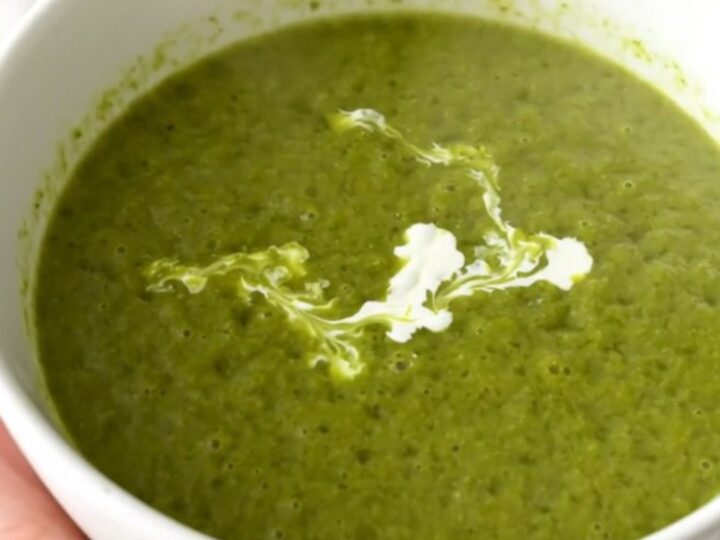
Creamy Slow Cooker Pea and Leek Velouté
- Prep
- Cook
- Total
- Serves
- 4
This elegant pea and leek velouté proves that sophisticated flavors require minimal effort. By utilizing the gentle heat of a slow cooker, the natural sweetness of the leeks and peas is perfectly preserved, resulting in a soup that is as vibrant in color as it is satisfying in texture.
The beauty of this recipe lies in its simplicity and reliance on high-quality ingredients. A velouté is traditionally a smooth, creamy soup, and this slow cooker adaptation streamlines the process without sacrificing that signature luxurious mouthfeel.
The potatoes provide the necessary body to thicken the soup naturally, while the fresh green peas lend a bright, spring-like flavor that is elevated by the subtle sweetness of the leeks. It is an ideal dish for busy weeknights when a wholesome, comforting meal is required without spending hours at the stove. Serve this soup as a refined appetizer or a light main course alongside crusty bread for a complete experience.
Ingredients
- 2 cups diced potatoes
- 2 cups sliced leeks, cleaned
- 3 cups frozen green peas
- 4 cups clear broth
Garnish
- 2 tbsp heavy cream
Why this recipe works
The slow cooker method allows the potatoes, leeks, and peas to soften gradually in the broth, extracting maximum flavor while maintaining their integrity. This gentle cooking process prevents the vibrant green color of the peas from dulling, which can often happen during high-heat stove-top boiling. The starch released from the potatoes acts as a natural thickener, creating a luxurious base that requires no additional flour or heavy roux to achieve the desired velouté consistency.
By layering the ingredients, you encourage a balanced distribution of flavors as the broth circulates through the slow cooker. The potatoes at the bottom absorb the savory notes of the broth first, while the leeks and peas on top steam gently, ensuring they remain tender but not mushy.
This methodical approach to layering ensures that every bite is consistent, creating a harmonious blend of textures that feels indulgent despite the simple, clean list of ingredients used in the recipe.
Notes and substitutions
When selecting ingredients, choose starchy potatoes like Russets or Yukon Golds, as they break down more easily and provide a better texture for a smooth, velvety soup.
Ensure the leeks are thoroughly cleaned, as dirt often hides between the layers; slicing them and soaking in cold water is the most effective way to remove debris before adding them to the slow cooker. If you prefer a more intense savory flavor, consider sautéing the leeks in a little butter before placing them in the cooker, though this step is entirely optional.
An immersion blender is the preferred tool for this recipe, as it allows you to blend the soup directly in the pot, minimizing cleanup. If you only have a standard blender, allow the soup to cool slightly before transferring it in batches to avoid pressure buildup.
Always use caution when blending hot liquids. For the garnish, use high-quality heavy cream to create a beautiful contrast, or try a dollop of crème fraîche if you prefer a slightly tangier finish to cut through the sweetness of the peas.
- clear broth: Use vegetable or chicken stock for a deeper flavor profile if preferred.
- heavy cream: Coconut milk or a dairy-free cream alternative works perfectly for a vegan version.
Equipment
- Slow cooker
- Cutting board
- Chef's knife
- Immersion blender
- Measuring cups
- Soup bowls
Up next · Part 2 of 3
3 steps · 4 h of cooking · what to look for at each stage
Step-by-step instructions (Part 2)