Dinner · Part 1 of 3: Ingredients
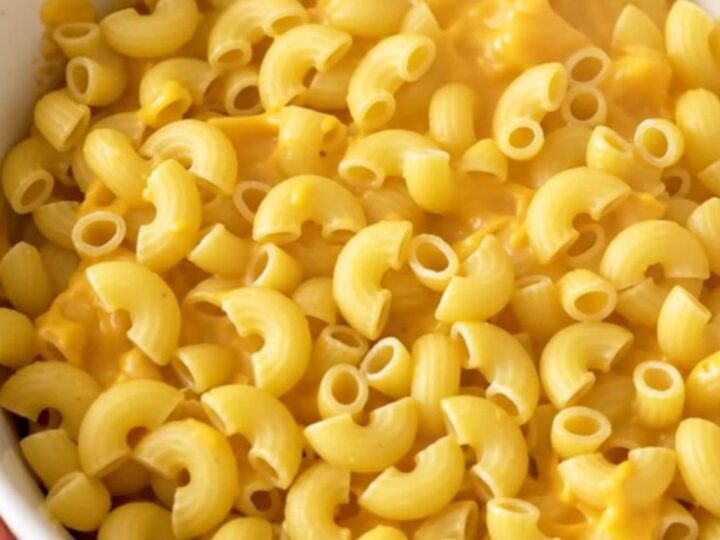
Creamy Slow Cooker Grandma’s Mac and Cheese
- Prep
- Cook
- Total
- Serves
- 6
Discover the secret to the ultimate creamy slow cooker mac and cheese with this simple, foolproof method. By cooking the pasta directly in the sauce, every bite becomes infused with rich, velvety flavor that defines true comfort food.
This recipe is designed to be incredibly approachable, requiring minimal effort while delivering maximum satisfaction. Whether you are hosting a casual family dinner or simply looking for a reliable, comforting meal to enjoy after a long day, this dish is guaranteed to become a staple in your kitchen rotation.
This recipe takes the complexity out of making homemade macaroni and cheese. By utilizing the gentle, consistent heat of a slow cooker, the pasta cooks perfectly in a blend of milk and cream, resulting in a dish that is remarkably smooth and deeply satisfying.
It is an ideal solution for busy days when a hot, comforting meal is needed without hours spent standing over a hot stove. Follow these steps to achieve a restaurant-quality texture right in your own kitchen, ensuring a perfect balance of flavors and a luxurious, creamy consistency that everyone will love.
Ingredients
Main Ingredients
- 1 lb macaroni pasta, raw
- 1 tbsp Dijon mustard
- 1/8 tsp ground nutmeg
- 2 cups whole milk
- 1 cup heavy cream
- 4 cups shredded cheddar cheese
Why this recipe works
The method of cooking pasta directly in the cooking liquid allows the starch released by the macaroni to thicken the sauce naturally. As the pasta hydrates, it absorbs the milk and cream, ensuring that every individual noodle is coated in a rich, flavorful layer that would be difficult to achieve using traditional boiling methods. This process creates a cohesive, velvety sauce that clings to the pasta, ensuring that the final dish is never watery, but instead perfectly rich and deeply satisfying for any hungry guest.
The slow cooker maintains a consistent, low temperature that prevents the dairy from curdling or separating, which is a common issue when cooking cheese sauces on the stovetop. This gentle heat ensures the cheese melts into the liquid slowly and evenly, creating a stable, emulsified sauce that remains creamy even as it begins to cool.
By avoiding the high, direct heat of a burner, you ensure the cheese remains smooth and glossy, providing a professional-quality texture that is consistent throughout the entire batch of macaroni.
Notes and substitutions
For the best results, use freshly shredded cheddar cheese rather than pre-shredded varieties. Pre-shredded cheese is often coated in cellulose to prevent clumping, which can interfere with the smoothness of the sauce and prevent it from melting as cleanly as freshly grated cheese. Taking the extra moment to grate your own cheese will significantly improve the final texture of the dish, resulting in a much smoother, more luxurious sauce that coats the noodles perfectly without any graininess or separation.
The choice of pasta is important; standard elbow macaroni is traditional, but other small shapes like shells or cavatappi also work well, as they are excellent at trapping the creamy sauce. Ensure the slow cooker is not overfilled, as the pasta will expand significantly during the cooking process and requires room to circulate.
Using a high-quality, firm pasta will help maintain the integrity of the dish, ensuring that the noodles remain tender but not mushy, providing a pleasant mouthfeel that complements the rich, velvety cheese sauce.
- Heavy cream: Half-and-half for a slightly lighter sauce
- Cheddar cheese: A blend of Gruyere and sharp cheddar for added depth
Equipment
- Slow cooker
- Measuring cups
- Measuring spoons
- Serving spoon
Up next · Part 2 of 3
3 steps · 3 h of cooking · what to look for at each stage
Step-by-step instructions (Part 2)