Dinner · Part 3 of 3: Tips & recipe card
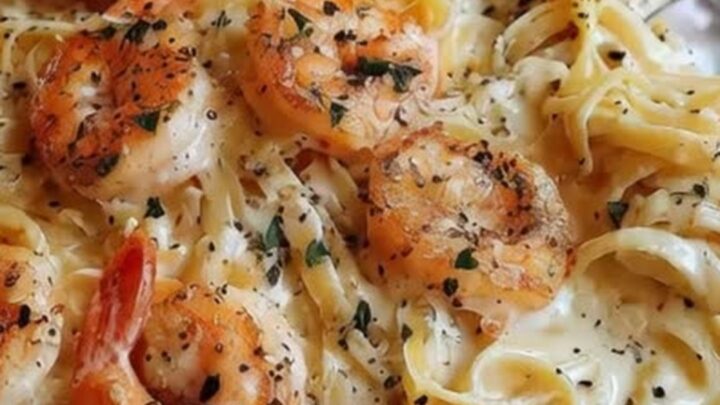
Creamy Shrimp Alfredo Pasta Tips, FAQ & printable recipe
- Prep
- Cook
- Total
- Serves
- 4
Tips for success
To ensure the sauce remains silky, serve the dish immediately after tossing.
Pasta continues to absorb sauce as it sits, so if the dish needs to wait even a few minutes, have an extra splash of reserved pasta water on hand to stir in just before serving, which will instantly refresh the texture and bring back that signature gloss.
Adding a small pinch of red pepper flakes to the skillet while tossing can provide a subtle, welcome heat that cuts through the richness of the alfredo sauce.
This simple addition can balance the flavors of the dish, making it feel more dynamic and ensuring the palate stays engaged through every bite of the creamy, savory pasta.
Variations
- Cajun Shrimp Alfredo: Replace the standard seasoning with a tablespoon of Cajun spice blend to add a bold, smoky heat to the shrimp and the creamy sauce.
- Vegetable Addition: Stir in a cup of blanched broccoli florets or sautéed spinach during the final step to incorporate more color and texture into the creamy pasta.
Storage and make-ahead
- Fridge
- Store in an airtight container in the refrigerator for up to 2 days.
- Reheat
- Reheat gently in a skillet over low heat, adding a splash of water to restore the sauce consistency.
If you have leftovers, allow them to cool for no more than two hours at room temperature before transferring them to an airtight container. Place the container in the refrigerator promptly to maintain freshness and safety.
Avoid leaving the pasta out on the counter, as the cream-based sauce is susceptible to temperature changes that can affect its quality and safety.
While this dish is best served fresh, you can prep the ingredients ahead of time. Peel and devein the shrimp and store them in the refrigerator until you are ready to cook.
However, it is highly recommended to boil the pasta and heat the sauce just before you intend to eat to maintain the ideal texture and prevent the sauce from drying out.
Serving ideas
Serve the shrimp alfredo in warmed bowls to help maintain the temperature of the creamy sauce for longer. A simple garnish of freshly chopped parsley can add a bright, fresh finish that enhances the visual appeal of the dish. Pair it with a crisp green salad to provide a refreshing contrast to the richness of the pasta.
For a complete meal, consider serving this dish alongside a side of crusty bread. The bread is perfect for mopping up any remaining sauce at the bottom of the bowl. Keep the serving portions moderate, as the dish is quite rich and satisfying on its own, making it a perfect centerpiece for a cozy dinner with friends or family.
Frequently asked questions
Can this be made ahead of time?
Why is the sauce too thick?
How can the shrimp be prevented from becoming rubbery?
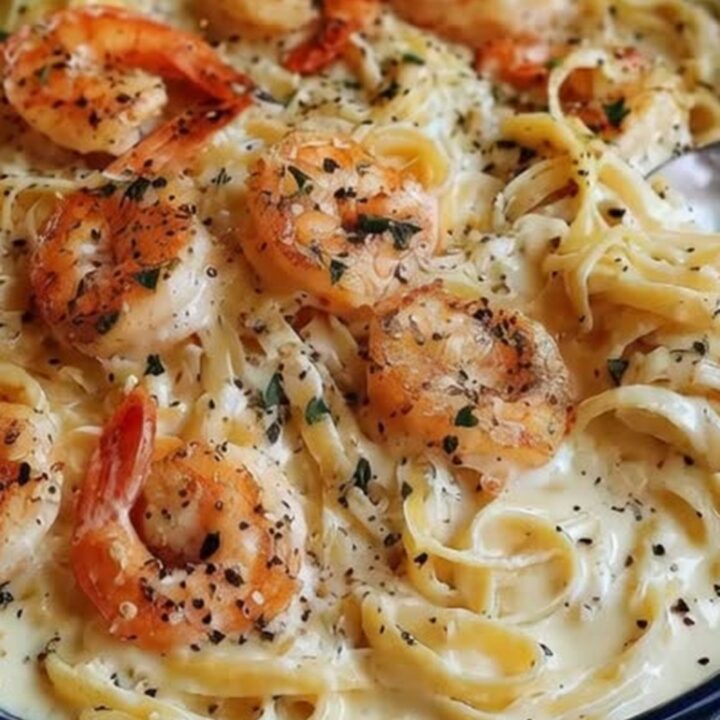
Creamy Shrimp Alfredo Pasta
Ingredients
- 1 lb shrimp, peeled and deveined
- 1 lb fettuccine pasta
- 1 tsp seasoning
- 1 jar alfredo sauce, store-bought or made ahead
Instructions
- Bring a large pot of salted water to a rolling boil. Add the fettuccine and cook until al dente. Drain the pasta, reserving a small amount of the starchy cooking water for later use if needed.
- Season the shrimp with the seasoning. Heat a large skillet over medium-high heat. Add the shrimp in a single layer and sear until they are pink and opaque, ensuring they reach an internal temperature of 145°F (63°C). Remove the shrimp from the skillet and set aside.
- In the same skillet, pour in the alfredo sauce and bring to a gentle simmer. Return the cooked shrimp to the skillet and toss with the cooked pasta until everything is well coated in the glossy sauce.
Estimated nutrition per serving
- Calories
- 620
- Protein
- 30 g
- Carbohydrates
- 52 g
- Fat
- 32 g
- Fiber
- 2 g
- Sugar
- 2 g
- Sodium
- 700 mg
Next recipe

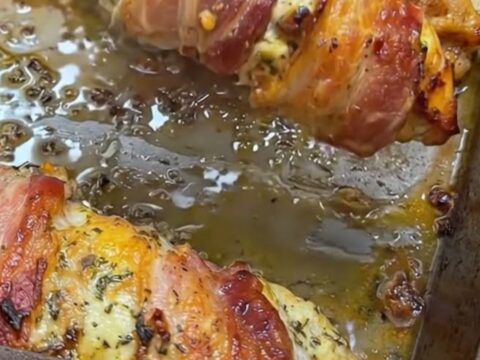
Crispy Bacon Wrapped Garlic Parmesan Chicken
See the recipe → →This recipe is based on a short cooking video and is published under the pen name Clara Weller. It was checked before publication, but errors can slip through. Nutrition, when shown, is an estimate. Read more in our editorial policy and on our food safety page.
More recipes to try
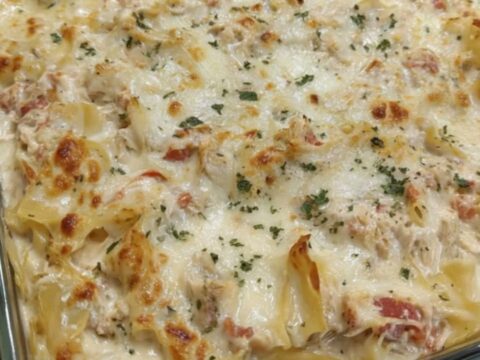
Creamy Chicken Spaghetti Lasagna Bake
Total time: 50 min
Classic Italian Stromboli Roll with Stretchy Mozzarella
Total time: 45 min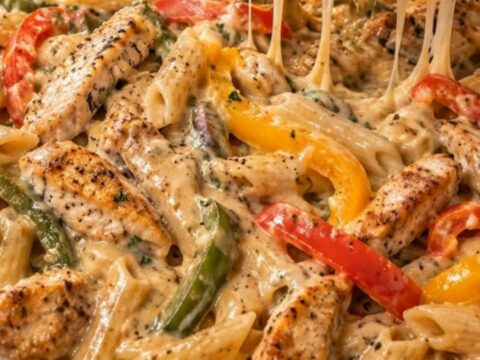
Creamy Jerk Chicken Rasta Pasta for a Quick Dinner
Total time: 35 min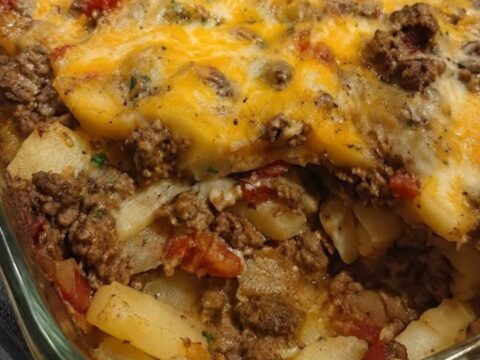
Cheesy Hamburger Potato Casserole
Total time: 1 h 5 min
Creamy Cheddar Beef Spaghetti for a Quick Comforting Meal
Total time: 20 min