Dinner · Part 3 of 3: Tips & recipe card
Creamy Roasted Tomato & Burrata Rigatoni Bake Tips, FAQ & printable recipe
- Prep
- Cook
- Total
- Serves
- 4
Tips for success
For the best flavor, use high-quality olive oil and freshly grated parmesan. The oil is drizzled on the tomatoes before roasting, so its flavor will shine through. When blending the sauce, be careful not to over-process it—a slightly chunky texture is more appealing.
If you prefer a smoother sauce, blend for a few seconds longer, but be aware that it may become too thin. Also, don't skip the resting time after baking; it allows the sauce to thicken and the burrata to set slightly, making it easier to serve.
To make this dish ahead, you can roast the tomatoes and garlic and make the sauce up to two days in advance. Store the sauce in an airtight container in the refrigerator. When ready to serve, cook the pasta, toss with the sauce, and bake as directed.
The burrata should be added just before baking, so it stays fresh and creamy. If you have leftovers, store them in the refrigerator and reheat gently in the oven or microwave, adding a splash of milk or cream to loosen the sauce.
Variations
- Spicy Arrabbiata Twist: Add 1/2 teaspoon of red pepper flakes to the tomatoes before roasting, and stir a pinch of cayenne into the sauce. The heat balances the cream and adds a pleasant kick.
- Herb-Infused: Swap the Italian seasoning for a mix of fresh oregano and thyme, or add a handful of fresh basil leaves to the sauce before blending for an extra herbaceous note.
- Cheese Lover's: Increase the parmesan to 3/4 cup and add 1/2 cup of shredded mozzarella to the sauce. Sprinkle extra mozzarella on top before baking for a golden, bubbly crust.
- Vegetable Boost: Roast a diced zucchini or bell pepper alongside the tomatoes and garlic, then blend into the sauce for added nutrition and sweetness.
Storage and make-ahead
- Fridge
- Store leftovers in an airtight container in the refrigerator for up to 3 days. Reheat gently, adding a splash of milk or cream to loosen the sauce.
- Freezer
- The baked rigatoni can be frozen for up to 2 months. Cool completely, wrap tightly, and freeze. Thaw overnight in the refrigerator before reheating.
- Reheat
- Reheat in a 350°F (175°C) oven for 15-20 minutes, or in the microwave in 30-second intervals, until hot and bubbling.
Store leftovers in an airtight container in the refrigerator for up to 3 days. The pasta will absorb some sauce as it sits, so you may need to add a splash of milk or cream when reheating. Reheat in the microwave or in a 350°F (175°C) oven until warmed through. The burrata will lose its creamy texture after refrigeration, but the dish will still be delicious.
You can make the roasted tomato and garlic sauce up to 2 days ahead. After roasting, let cool completely, then transfer to an airtight container and refrigerate. When ready to assemble, cook the pasta, toss with the sauce, and proceed with the recipe.
You can also assemble the entire bake (without the burrata) and refrigerate it for up to 24 hours before baking. Add the burrata just before baking to keep it creamy.
Serving ideas
Serve this rigatoni bake hot from the oven, with the burrata torn open at the table for maximum drama. The creamy center will spill over the pasta, mixing with the tomato sauce to create an even richer dish.
A sprinkle of fresh basil and a crack of black pepper are all you need to finish. Pair it with a simple green salad and crusty bread to soak up any extra sauce.
This dish is hearty enough to be a main course on its own. For a lighter meal, serve smaller portions as a side or alongside grilled chicken or fish. It also makes a great potluck dish—just assemble it in a disposable baking dish and bake when you arrive. Leftovers are just as good the next day, so don't be afraid to make a double batch.
Frequently asked questions
Can this dish be made ahead of time?
What is the best way to reheat leftovers?
Can this recipe be made without heavy cream?
Why does the sauce sometimes turn out too thick?
Can you use a different type of pasta?
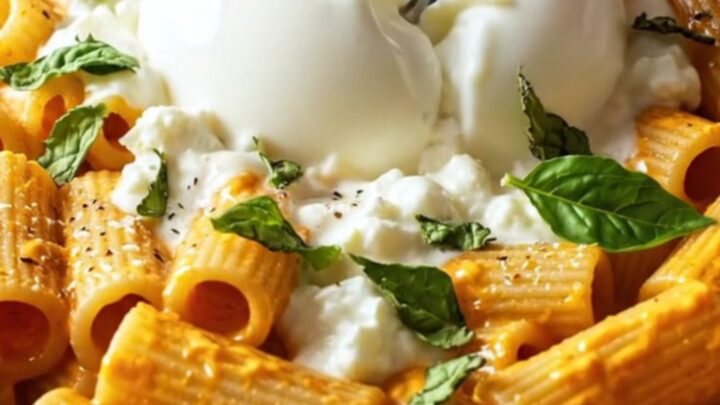
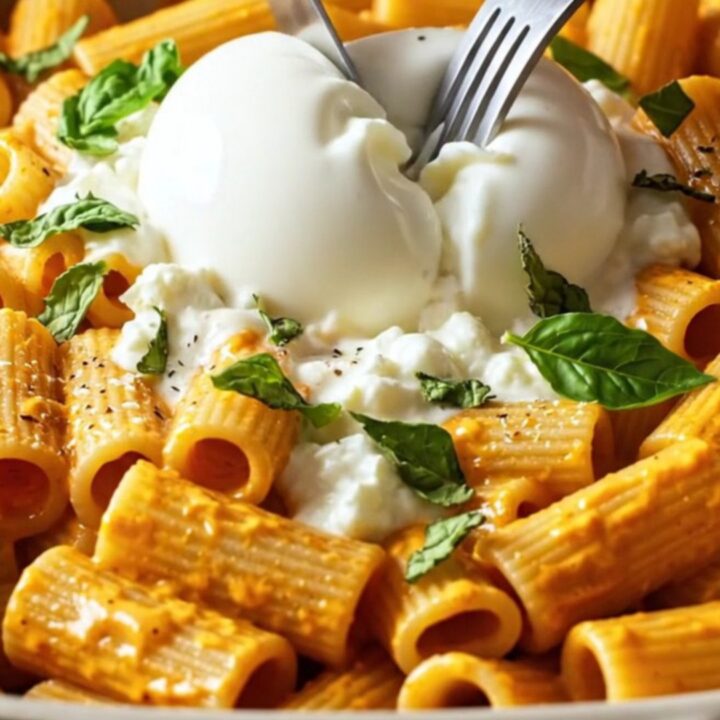
Creamy Roasted Tomato & Burrata Rigatoni Bake
Ingredients
- 12 oz rigatoni pasta
- 500 g sweet cherry tomatoes
- 1 whole bulb garlic (top sliced off)
- 3 tbsp olive oil
- 1 tsp Italian seasoning
- Salt, to taste
- 1/2 cup heavy cream
- 1/2 cup grated parmesan
- 1 ball fresh burrata cheese (200g)
- Fresh basil leaves, for garnish, to taste
Instructions
- Heat the oven to 400°F (200°C). Place the cherry tomatoes and the whole garlic bulb (top sliced off) on a baking sheet. Drizzle with olive oil and sprinkle with Italian seasoning and salt. Toss to coat. Roast for 25 minutes, until the tomatoes are blistered and bursting and the garlic is soft and caramelized.
- While the tomatoes roast, bring a large pot of salted water to a boil. Add the rigatoni and cook according to package directions until al dente. Reserve about 1/2 cup of pasta water, then drain the pasta.
- Once the tomatoes are done, let them cool slightly. Squeeze the roasted garlic cloves from their skins into a blender or mixing bowl. Add the blistered tomatoes, heavy cream, and grated parmesan. Blend or mash with a fork until smooth and velvety. Season with salt to taste.
- In a large bowl, toss the cooked rigatoni with the roasted tomato cream sauce until every tube is well coated. If the sauce seems thick, add a splash of the reserved pasta water to loosen it.
- Transfer the coated rigatoni to an oven-safe baking dish. Nestle the ball of burrata in the center of the pasta. Bake at 400°F (200°C) for 10-12 minutes, until the pasta is hot and the burrata is soft and slightly melted.
- Remove the dish from the oven. Tear open the burrata with a fork to let the creamy center spill over the pasta. Scatter fresh basil leaves on top. Let rest for 5 minutes before serving warm.
Estimated nutrition per serving
- Calories
- 680
- Protein
- 22 g
- Carbohydrates
- 75 g
- Fat
- 32 g
Next recipe
Turkish Adana Kebab Dürüm with Charred Peppers & Sumac Onions
See the recipe → →This recipe is based on a short cooking video and is published under the pen name Clara Weller. It was checked before publication, but errors can slip through. Nutrition, when shown, is an estimate. Read more in our editorial policy and on our food safety page.
More recipes to try
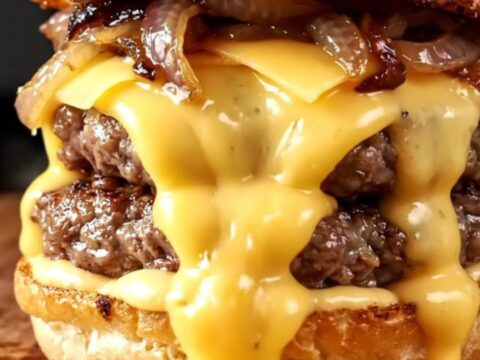
French Onion Skillet Smashed Burgers with Melted Gruyère
Total time: 50 min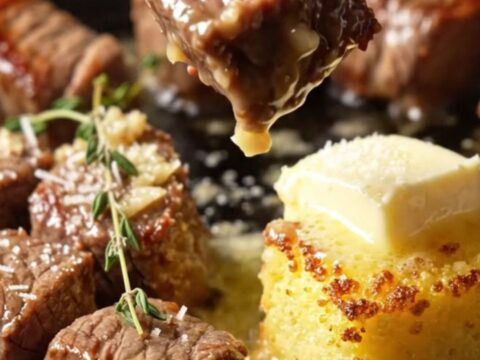
Garlic Butter Steak & Crispy Polenta Bites
Total time: 33 min
Crispy Baja Fish Tacos with Chipotle Crema & Mango Slaw
Total time: 35 min
Creamy Lemon Herb Garlic Butter Salmon Piccata
Total time: 22 min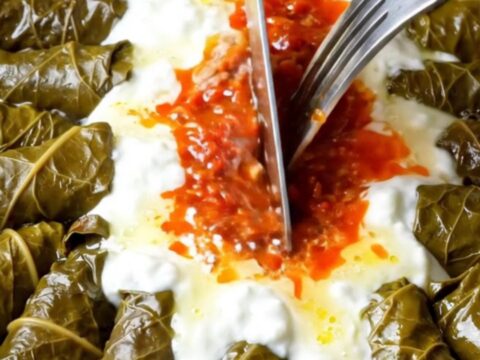
Turkish Stuffed Grape Leaves with Garlic Yogurt
Total time: 1 h 25 min