Dinner · Part 2 of 3: Instructions
Creamy Lemon Garlic Spaghetti Ready in 12 Minutes Step-by-step instructions
- Prep
- Cook
- Total
- Serves
- 4
Before you start
Before you start, fill a large pot with water and bring it to a boil. While the water heats, dice the onion, mince the garlic, zest and juice the lemon, and grate the parmesan. Measure out the cream, salt, and pepper.
Have the parsley chopped and ready. Keep a ladle or measuring cup nearby to reserve pasta water. Set everything within arm's reach of the stove—this dish moves fast once the pasta goes in.
Ingredients at a glance (13)
- 12 oz spaghetti
- 2 tbsp olive oil
- 2 tbsp butter
- 1/2 cup finely diced yellow onion
- 3 cloves minced garlic
- 1 cup heavy cream
- 2 tbsp fresh lemon juice
- 1 tsp grated lemon zest
- 1/2 tsp kosher salt
- 1/2 cup grated parmesan cheese
- 1/2 cup reserved pasta water
- 2 tbsp chopped fresh parsley
- 1/2 tsp freshly cracked black pepper
Instructions
Boil and Sauté
- Cook the SpaghettiBring a large pot of salted water to a boil. Add the spaghetti and cook according to package directions until just shy of al dente, about 1 minute less than the recommended time. Reserve 1 cup of pasta water before draining. Drain the spaghetti and set aside.Look for The pasta is tender but still has a slight bite in the center.Tip Reserve more pasta water than you think you need—it loosens the sauce beautifully.
- Sauté the AromaticsIn a large skillet, heat the olive oil and butter over medium heat. Add the finely diced yellow onion and cook, stirring occasionally, until soft and translucent, about 3 minutes. Add the minced garlic and cook for 30 seconds until fragrant.Look for The onion is tender and translucent, and the garlic smells nutty, not burnt.Tip Keep the heat medium so the garlic doesn't brown too quickly.
The pasta is cooking in salted water, and the kitchen smells of garlic and onion softening in butter and olive oil. The onion pieces are translucent and tender, and the garlic is fragrant but not browned.
The skillet looks glossy with the butter-oil mixture coating every piece. The pasta should be nearly done, so keep an eye on the timer and be ready to reserve the water and drain.
Simmer the Sauce
- Make the Cream SaucePour the heavy cream into the skillet with the onions and garlic. Add the fresh lemon juice, lemon zest, kosher salt, and grated parmesan cheese. Stir constantly as the sauce simmers gently until the cheese melts and the sauce thickens slightly, about 2 minutes.Look for The sauce is smooth, pale yellow, and coats the back of a spoon.Tip Simmer gently—boiling can cause the cream to separate.
The cream has turned a pale golden color as it simmers with lemon and parmesan. The sauce is smooth and slightly thickened, with small bubbles breaking the surface. The parmesan has fully melted, and the aroma is rich and tangy. You should see the sauce coat the back of a spoon cleanly. If it looks too thin, give it another minute; if too thick, add a splash of cream or water.
Toss and Finish
- Combine Pasta and SauceAdd the drained spaghetti to the skillet with the cream sauce. Toss everything together with tongs or a wooden spoon, adding reserved pasta water a splash at a time until the sauce clings to every noodle and reaches a silky consistency.Look for The noodles are evenly coated, and the sauce looks glossy and fluid.Tip Add pasta water gradually—you may not need all of it.
- Finish and ServeRemove the skillet from the heat. Sprinkle with chopped fresh parsley and freshly cracked black pepper. Toss once more, then divide among warm bowls. Serve immediately with extra parmesan on the side if desired.Look for The parsley adds fresh green flecks, and the pepper provides a fragrant kick.Tip Warm the serving bowls in the oven or with hot water to keep the pasta hot longer.
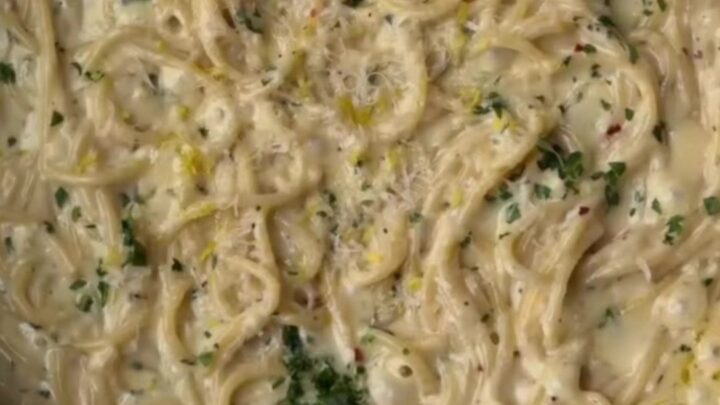
The spaghetti is in the skillet, and you're tossing it with tongs. The sauce clings to every strand, turning glossy and silky as the pasta water is incorporated. The parsley and black pepper add fresh green and dark specks against the creamy yellow. The dish looks vibrant and inviting, with no dry noodles in sight. Serve immediately while hot and creamy.
Common mistakes
One common mistake is overcooking the pasta before adding it to the sauce—remember to undercook it by about a minute. Another is boiling the cream sauce too vigorously, which can cause it to separate. Keep the heat gentle and stir constantly.
Adding all the pasta water at once can make the sauce watery; add it gradually. Finally, don't skip the lemon zest—it contains aromatic oils that add a fresh, intense lemon flavor that juice alone can't provide.
How to tell it’s done
The spaghetti is done when it is al dente—tender but with a slight bite in the center. The sauce is ready when it coats the back of a spoon and has a silky, pourable consistency. After tossing with the pasta, the sauce should cling to the noodles without pooling at the bottom of the pan.
If it seems too thick, add a splash of pasta water; if too thin, let it simmer for another minute. Taste and adjust salt and lemon as needed. The dish should be glossy, creamy, and bright.
Up next · Part 3 of 3
4 variations · storage & make-ahead · 5 answers · printable card
Tips, FAQ & printable recipe (Part 3)← Back to the ingredients (Part 1)