Desserts · Part 3 of 3: Tips & recipe card
Creamy Homemade Banana Pudding for Easy Dessert Tips, FAQ & printable recipe
- Prep
- Cook
- Total
- Serves
- 8
Tips for success
To keep the banana slices from browning, toss them in a small amount of lemon juice before layering. This adds a subtle brightness that complements the sweetness of the pudding without overpowering the dish.
Additionally, ensure the bananas are sliced to a uniform thickness, about a quarter-inch, so they distribute evenly and provide a consistent bite throughout the pudding.
When piping the whipped cream, start from the outside edge of the dish and work your way toward the center. This technique creates a beautiful, professional look.
If you prefer a more rustic presentation, use a large spoon to create generous dollops of cream, then use the back of the spoon to create small peaks that catch the light, making the dessert look even more inviting.
Variations
- Chocolate Banana Pudding: Replace the vanilla pudding with chocolate-flavored pudding and use chocolate-covered wafers to add a rich, decadent twist to the classic recipe.
- Caramel Banana Pudding: Drizzle a thin layer of caramel sauce between the pudding and banana layers to add a deep, buttery sweetness that pairs perfectly with the fresh fruit.
Storage and make-ahead
- Fridge
- Keep in the refrigerator for up to 2 days, covered tightly.
Store the pudding covered tightly with plastic wrap to prevent a skin from forming on the pudding surface and to keep the whipped cream fresh. It should be kept in the coldest part of the refrigerator. Consume within two days for the best texture, as the wafers will continue to absorb moisture and soften over time, eventually losing their pleasant contrast.
This recipe is ideal for making ahead, as it requires a minimum of two hours to chill. You can assemble it up to 24 hours in advance, though the texture of the wafers will change the longer it sits. For the freshest result, consider adding the whipped cream topping and wafer crumb garnish just before serving, rather than before the initial chilling period.
Serving ideas
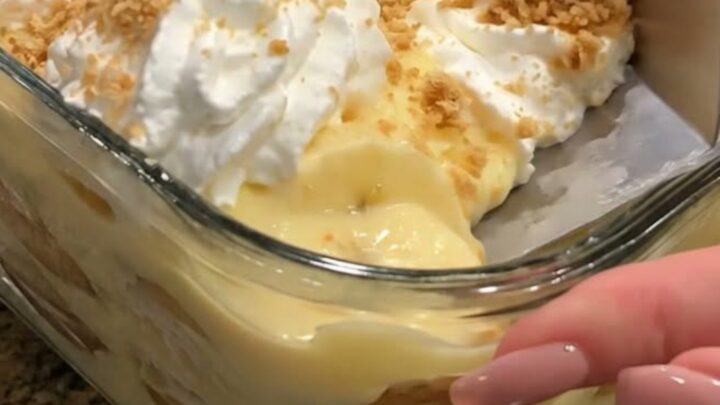
Serve the pudding chilled, straight from the refrigerator, to maintain its structural integrity and refreshing quality. Use a large, flat spatula to scoop generous portions, ensuring you get a clean slice through all the layers.
A glass serving dish makes the layers visible, which adds to the appeal, so place the dish in the center of the table and allow guests to serve themselves.
If you want to dress up the presentation, serve each portion with an extra whole vanilla wafer or a thin slice of fresh banana on the side. The contrast of the cold, creamy pudding with the slightly softened wafers is the highlight of the dish.
Because it is a rich dessert, smaller portions are often sufficient, but the classic flavor profile ensures that everyone will enjoy every last bite.
Frequently asked questions
Can this be made with instant pudding?
How can the banana slices be kept from browning?
What is the best way to serve this dessert?
Creamy Homemade Banana Pudding for Easy Dessert
Ingredients
- 3 cups vanilla pudding, prepared
- 1 box vanilla wafers
- 4 bananas, sliced
- 2 cups whipped cream
Instructions
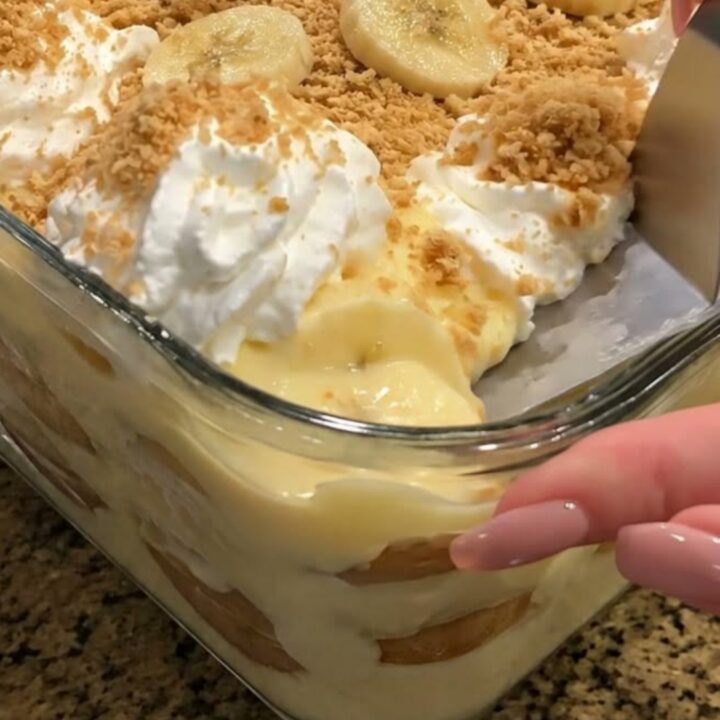
- Spread a thin layer of vanilla pudding on the bottom of a 9-inch square glass dish. Arrange a single layer of vanilla wafers over the pudding, followed by a layer of freshly sliced bananas.
- Continue the process by adding another layer of pudding, followed by more wafers and banana slices. Repeat these layers until all ingredients are used, finishing with a final layer of pudding on top.
- Pipe swirls of whipped cream over the top of the pudding. Sprinkle with crushed vanilla wafer crumbs for texture. Chill the assembled pudding in the refrigerator for at least two hours before serving.
Estimated nutrition per serving
- Calories
- 350
- Protein
- 4.5 g
- Carbohydrates
- 48 g
- Fat
- 16 g
- Fiber
- 1.2 g
- Sugar
- 32 g
- Sodium
- 250 mg
Next recipe
Creamy Peanut Butter Fudge for Easy Entertaining
See the recipe → →This recipe is based on a short cooking video and is published under the pen name Clara Weller. It was checked before publication, but errors can slip through. Nutrition, when shown, is an estimate. Read more in our editorial policy and on our food safety page.
More recipes to try
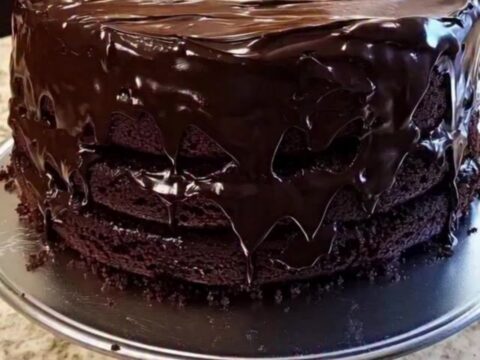
Ultra-Rich Triple-Layer Chocolate Matilda Cake
Total time: 2 h 15 min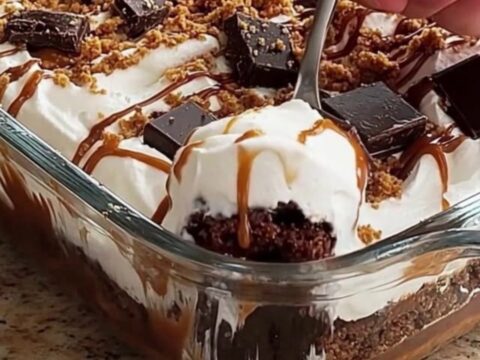
Layered Chocolate Caramel Cream Dessert
Total time: 1 h 15 min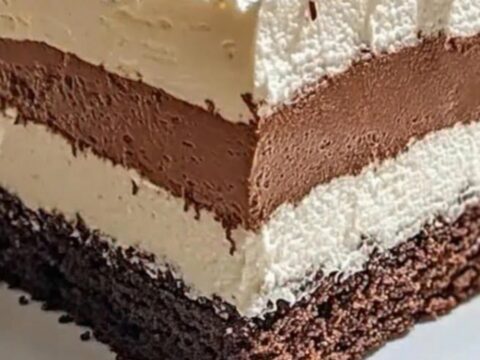
Velvety Triple Chocolate Mousse Cake
Total time: 3 h 55 min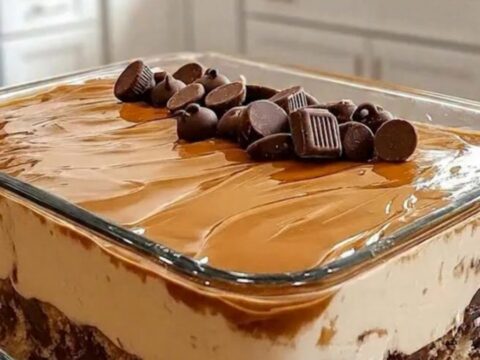
No-Bake Layered Chocolate Peanut Butter Dessert
Total time: 2 h 20 min
Velvety Coconut Cream Dessert Filling
Total time: 30 min