Dinner · Part 2 of 3: Instructions
Creamy Garlic Parmesan Fettuccine Alfredo in 20 Minutes Step-by-step instructions
- Prep
- Cook
- Total
- Serves
- 4
Before you start
Before you start, fill a large pot with water and bring it to a boil. Set a colander in the sink and have a glass measuring cup ready to scoop out pasta water. Grate the Parmigiano Reggiano and measure out the garlic powder, Italian herbs, and salt.
Cut the butter into a few pieces so it melts quickly and evenly. Set out a large skillet or sauté pan, tongs, and serving bowls. Warm the bowls by filling them with hot water or placing them in a low oven while the pasta cooks.
Ingredients at a glance (9)
- 8 oz dry fettuccine pasta
- 1 tbsp kosher salt, plus more to taste
- 1 cup starchy pasta water, reserved
- 3 tbsp unsalted butter
- 1 tsp garlic powder
- 1 tsp dried Italian herbs
- 1 cup freshly grated Parmigiano Reggiano
- Freshly cracked black peppercorns, for serving
- Minced flat-leaf parsley, for serving
Instructions
Boil and Season
- Boil the FettuccineFill a large pot with water and bring it to a rolling boil. Stir in 1 tablespoon kosher salt. Add the dry fettuccine and cook according to the package directions until al dente, about 8 to 10 minutes. Before draining, use a glass measuring cup to reserve 1 cup of the starchy pasta water. Drain the pasta in a colander, but do not rinse it.Look for The pasta is al dente when it offers slight resistance at the center but is tender through the rest of the noodle.Tip Reserve more than 1 cup of pasta water if you like a looser sauce; you can always add it later.
- Melt the Butter and SeasonWhile the pasta cooks, place a large skillet over medium heat. Add the unsalted butter and let it melt completely, swirling the pan to coat the bottom. Sprinkle in the garlic powder, dried Italian herbs, and a pinch of salt. Stir for about 30 seconds until fragrant, but do not let the butter brown.Look for The butter is foamy and the seasonings smell aromatic, but the butter has not turned brown.Tip Keep the heat at medium; high heat can scorch the garlic powder and make the sauce taste bitter.
The water is boiling vigorously, and the fettuccine is cooking. The kitchen smells faintly of salted pasta water. The butter in the skillet is melting and the garlic powder and herbs are becoming fragrant, but the butter hasn’t browned. You have a cup of starchy pasta water reserved in a glass measuring cup, and the colander is ready.
Build the Sauce
- Create the Silky Sauce BasePour 1/2 cup of the reserved pasta water into the skillet with the melted butter. Stir with a wooden spoon to combine, scraping up any browned bits from the bottom of the pan. Let the mixture come to a gentle simmer, then reduce the heat to low. The liquid should look slightly creamy and emulsified.Look for The liquid in the skillet is lightly bubbling and has turned from clear to slightly cloudy from the starch.Tip The starch in the pasta water is what makes the sauce cling to the noodles without turning greasy.
- Add the Pasta and TossAdd the drained fettuccine directly to the skillet with the sauce. Use tongs to toss the pasta in the buttery liquid, coating every strand. If the pan looks dry, add more reserved pasta water, a few tablespoons at a time, until the sauce is fluid and glossy.Look for The noodles are evenly coated and the sauce is thin enough to pool slightly at the bottom of the pan.Tip Tossing the pasta in the sauce rather than pouring the sauce over the pasta helps the sauce adhere better.
- Shower with ParmesanTurn off the heat. Sprinkle the freshly grated Parmigiano Reggiano over the pasta in batches, tossing constantly. The residual heat will melt the cheese into a creamy, velvety sauce. If the sauce becomes too thick, add a splash of pasta water to loosen it.Look for The cheese melts into the sauce, turning it glossy and thick enough to coat the back of a spoon.Tip Grate the cheese fine so it melts quickly; coarse shreds can clump and turn stringy.
The sauce in the skillet is a pale, creamy liquid, gently simmering. The pasta is added and tossed, and the noodles are evenly coated with the buttery mixture.
The cheese goes in off the heat, and as you toss, the sauce turns glossy and thickens, clinging to every strand. The pan is nearly dry, but a splash of pasta water keeps it fluid.
Finish and Serve
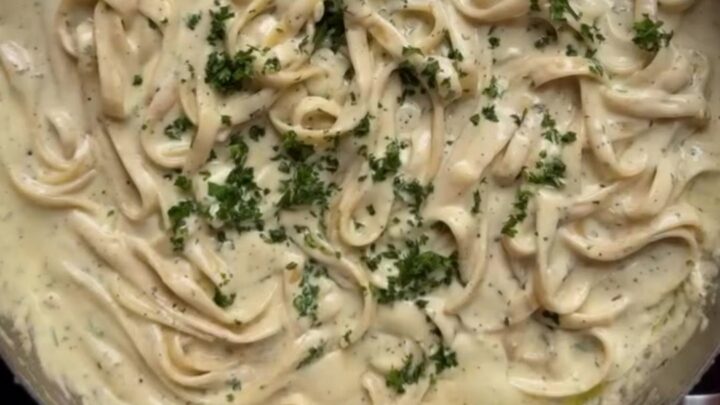
- Finish and ServeTaste the fettuccine and adjust the seasoning with salt if needed. Transfer the pasta to a warm shallow bowl or individual plates. Garnish with freshly cracked black peppercorns and minced flat-leaf parsley. Twirl a portion onto a fork and serve immediately while the sauce is still silky.Look for The pasta is glossy, the sauce clings to every noodle, and the garnish adds freshness and color.Tip Warm the serving bowls in the oven or with hot water so the sauce doesn't seize up on contact.
The fettuccine is glossy, each strand coated in a silky, pale-gold sauce. The black pepper and parsley add flecks of color and freshness. When you lift a forkful, the noodles twirl easily and the sauce stays put. The dish smells of butter, garlic, and Parmesan, and the bowls are warm, ready to be served immediately.
Common mistakes
One common mistake is adding the cheese over high heat, which can cause it to clump or separate. Always turn off the heat before adding the Parmesan, and toss constantly as it melts. Another pitfall is not reserving enough pasta water; the sauce needs that starch to emulsify, and plain water won’t work the same way.
Also, don’t rinse the pasta after draining—the surface starch helps the sauce stick. Finally, be careful with salt: the Parmesan is salty, so taste before adding more. Over-salting can ruin the balance of the dish.
How to tell it’s done
The fettuccine is done when it is al dente: tender but still firm to the bite, with a slight white core when you cut into a strand. The sauce is ready when it coats the back of a spoon and clings to the pasta without being thick or gluey.
When you twirl a forkful, the noodles should hold the sauce and look glossy, not dry. The Parmesan should be fully melted, and the sauce should have a smooth, velvety texture. If it looks curdled, it likely got too hot or the cheese was added too quickly; a splash of pasta water and gentle tossing can often bring it back.
Up next · Part 3 of 3
4 variations · storage & make-ahead · 5 answers · printable card
Tips, FAQ & printable recipe (Part 3)← Back to the ingredients (Part 1)