Dinner · Part 3 of 3: Tips & recipe card
Creamy Crockpot Poblano Hominy Beef Barbacoa Tips, FAQ & printable recipe
- Prep
- Cook
- Total
- Serves
- 6
Tips for success
For the best flavor, take the time to roast the poblano peppers yourself—the smoky char adds a depth that jarred versions can't match. If using jarred, look for ones that are labeled 'fire-roasted' for a similar effect.
Also, shred the Monterey Jack from a block rather than buying pre-shredded; it melts more smoothly and has a better taste. And don't skip the rest time after shredding the beef—it lets the juices reabsorb, keeping the meat moist and flavorful.
To make this recipe even easier, you can prep all the ingredients the night before: cut the beef, roast and dice the peppers, drain the hominy, and shred the cheese. Store them in separate containers in the refrigerator.
In the morning, simply layer everything in the slow cooker and turn it on. This is a great meal to come home to after a long day—just set it and forget it, and dinner is ready when you are.
Variations
- Spicy Chipotle Version: Add 2–3 minced chipotle peppers in adobo sauce along with the sour cream for a smoky, spicy kick. Reduce the poblanos to 1 cup if you prefer less heat. The chipotle adds a deep, earthy flavor that pairs well with the creamy sauce.
- Chicken Poblano Hominy: Substitute 2 1/2 pounds of boneless, skinless chicken thighs for the beef chuck. Cook on LOW for 6–7 hours or until the chicken is shreddable. The cooking time is shorter, so check for doneness at 6 hours. The rest of the recipe remains the same.
- Add Beans for Heartiness: Stir in one 15-ounce can of drained and rinsed black beans or pinto beans along with the hominy. This adds extra fiber and makes the dish more filling. You may need to slightly reduce the sour cream to balance the added liquid from the beans.
- Use Smoked Cheese: Replace half of the Monterey Jack with smoked Gouda or smoked cheddar for a deeper, smoky flavor that complements the roasted poblanos. The cheese melts just as well and adds a new dimension to the sauce.
Storage and make-ahead
- Fridge
- Store in an airtight container in the refrigerator for up to 4 days. Reheat gently, adding a splash of water or broth if needed. The sauce thickens as it cools.
- Freezer
- Freeze in a freezer-safe container for up to 3 months. Thaw overnight in the refrigerator before reheating.
- Reheat
- Reheat in a saucepan over medium-low heat, stirring frequently, until hot and bubbly. Add a tablespoon of water or beef broth if the sauce is too thick.
Store leftover barbacoa in an airtight container in the refrigerator for up to 4 days. The flavors will continue to meld, making the leftovers even more delicious. Reheat gently on the stovetop or in the microwave, adding a splash of broth or water if the sauce has thickened too much. The barbacoa also freezes well; see the freezer instructions below.
This recipe is perfect for meal prep. Assemble the slow cooker with all the ingredients (except the tortillas) up to 24 hours in advance, cover, and refrigerate. When ready to cook, place the insert in the slow cooker and cook on LOW as directed.
You may need to add 30–60 minutes of cooking time if the ingredients are cold. Alternatively, cook the barbacoa fully, let it cool, and store in the refrigerator for up to 4 days or freeze for up to 3 months.
Serving ideas
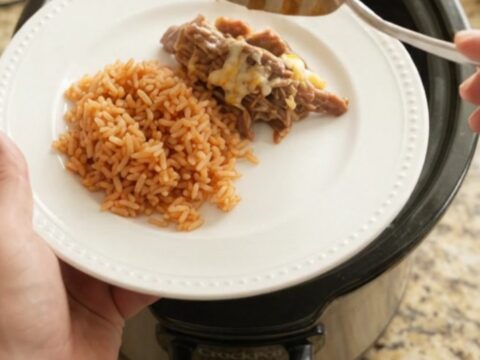
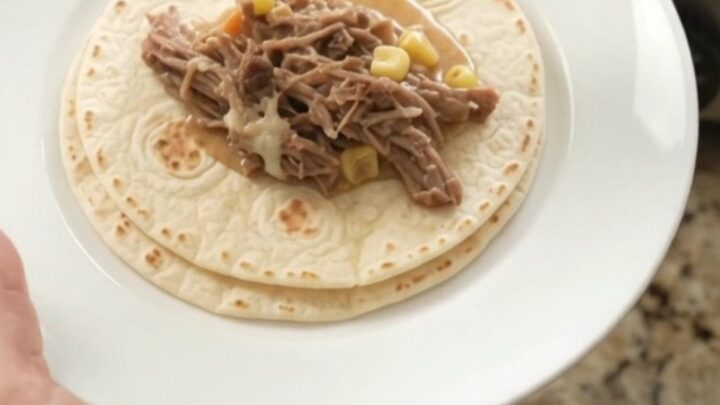
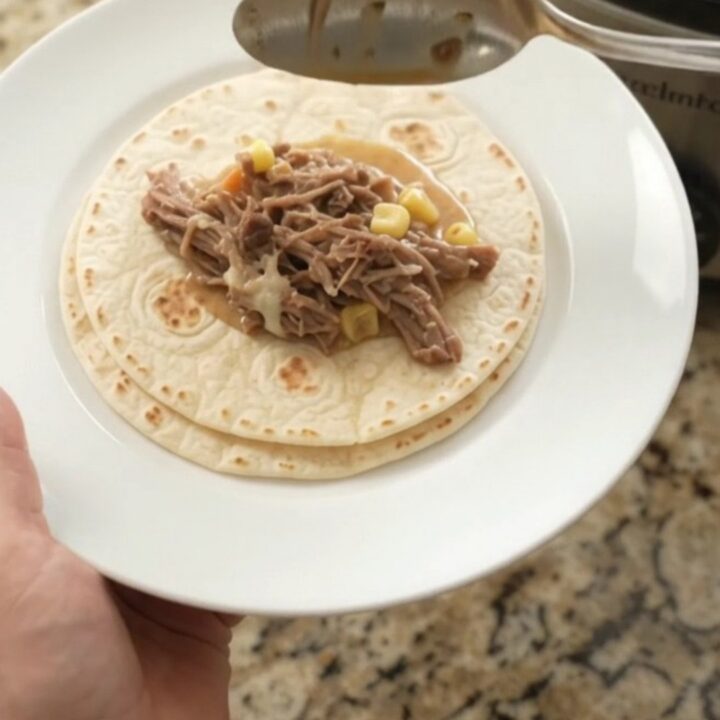
Serve the barbacoa warm, spooned into warm flour tortillas with a generous amount of the creamy sauce. For a more substantial meal, top with shredded lettuce, diced tomatoes, or a squeeze of fresh lime juice—though the recipe is delicious as is. The dish also works well over rice or with tortilla chips for dipping. The creamy, cheesy sauce is the star, so don't skimp on it.
For a party, set up a build-your-own taco bar with the barbacoa, warm tortillas, and a variety of toppings like diced onion, cilantro, avocado, and salsa.
The mild heat of the poblanos makes it family-friendly, and the creamy sauce appeals to all ages. Leftovers can be repurposed into enchiladas, quesadillas, or a hearty burrito bowl. This recipe is versatile and guaranteed to please a crowd.
Frequently asked questions
Can this recipe be made in a pressure cooker instead of a slow cooker?
Why did your sauce curdle or separate?
Can the beef be substituted with pork or lamb?
Is this recipe gluten-free?
Can the leftovers be frozen?
Creamy Crockpot Poblano Hominy Beef Barbacoa
Ingredients
- 2 1/2 lb beef chuck cubes
- 2 cups diced roasted poblano peppers
- 1 can (15 oz) white hominy, drained
- 1 cup sour cream
- 2 cups shredded Monterey Jack cheese
- warm flour tortillas, for serving
Instructions
- Place the beef chuck cubes in the bottom of a 6-quart slow cooker in an even layer. Scatter the diced roasted poblano peppers over the beef, then add the drained white hominy, distributing it evenly across the top.
- Dollop the sour cream over the ingredients in the slow cooker, then sprinkle the shredded Monterey Jack cheese evenly over the top. Do not stir—the cheese and sour cream will melt and blend during cooking.
- Cover the slow cooker and cook on LOW for 8 to 10 hours or on HIGH for 4 to 5 hours, until the beef is fork-tender and shreds easily. The sauce will be bubbling gently around the edges. Let it rest for 3 minutes before slicing.
- Once the beef is tender, remove it from the slow cooker to a cutting board. Shred it with two forks, discarding any large pieces of fat. Return the shredded beef to the slow cooker and stir gently to combine with the sauce. Let it rest for 3 minutes before slicing.
- Let the barbacoa rest for at least 3 minutes after shredding. Serve warm with flour tortillas, spooning the creamy sauce over the top. Enjoy the rich, melty, slow-cooked flavor.
Estimated nutrition per serving
- Calories
- 520
- Protein
- 38 g
- Carbohydrates
- 22 g
- Fat
- 31 g
- Fiber
- 3 g
- Sugar
- 4 g
Next recipe
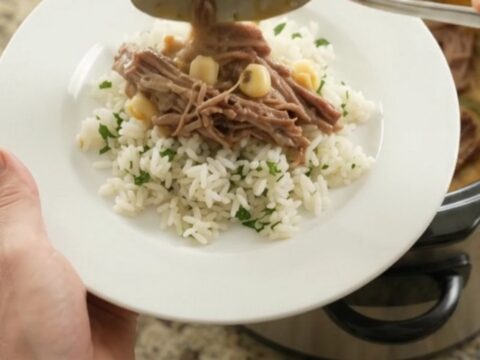
Crockpot Cheddar Poblano Hominy Beef Barbacoa
See the recipe → →This recipe is based on a short cooking video and is published under the pen name Clara Weller. It was checked before publication, but errors can slip through. Nutrition, when shown, is an estimate. Read more in our editorial policy and on our food safety page.
More recipes to try
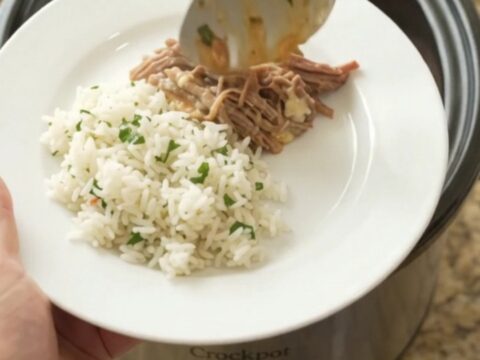
Crockpot Cheddar Rotel Jalapeño Beef Barbacoa
Total time: 8 h 10 min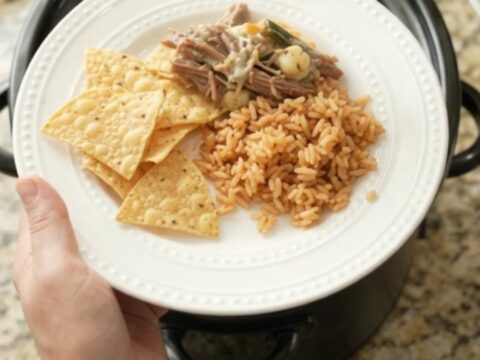
Pepper Jack Poblano Hominy Beef Barbacoa: Easy Crockpot Dinner
Total time: 8 h 15 min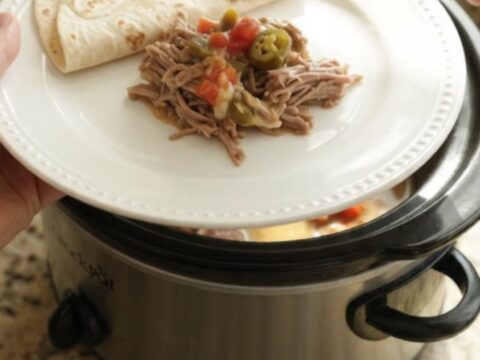
Slow Cooker Monterey Jack Beef Barbacoa
Total time: 8 h 10 min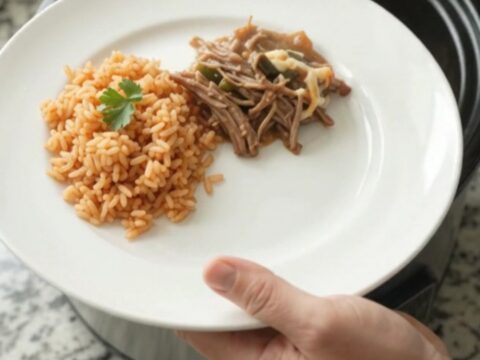
Slow-Cooker Oaxaca Queso Poblano Hominy Beef Barbacoa – Set-and-Forget
Total time: 8 h 15 min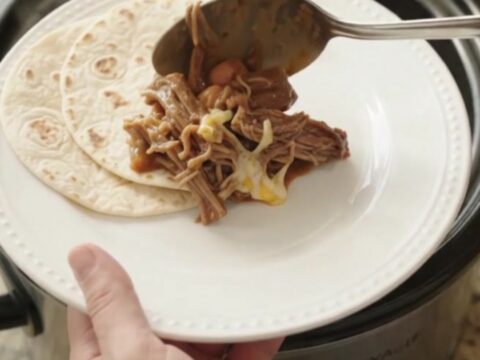
Slow Cooker Red Enchilada Beef Barbacoa
Total time: 8 h 10 min