Dinner · Part 3 of 3: Tips & recipe card
Creamy Crockpot Lemon Ricotta Pistachio Spaghetti Tips, FAQ & printable recipe

- Prep
- Cook
- Total
- Serves
- 6
Tips for success
For the best texture, use whole-milk ricotta and full-fat heavy cream. Low-fat dairy can make the sauce grainy or thin. Always cook the spaghetti separately until al dente, as the slow cooker won’t cook pasta properly.
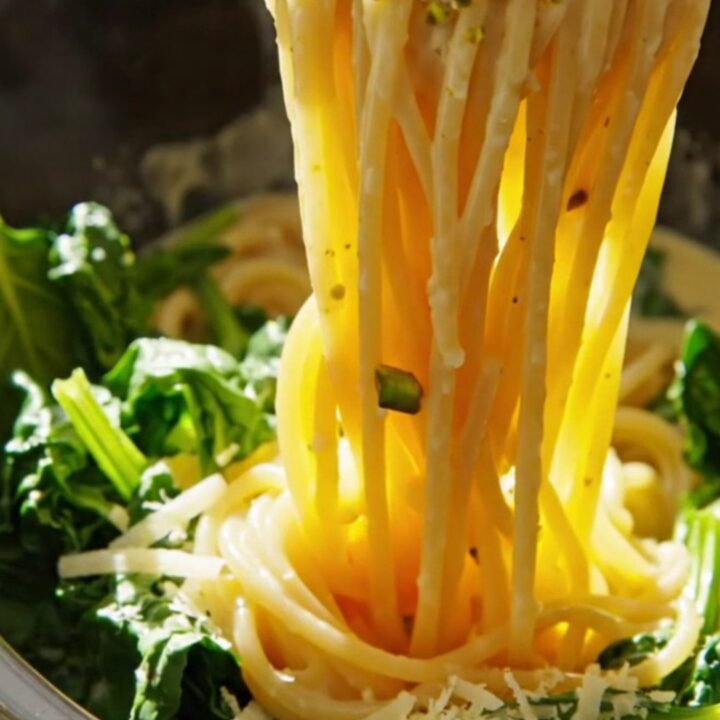
Reserve a cup of pasta water before draining—it’s the secret to adjusting the sauce’s consistency. When adding the spinach, toss it in batches so it wilts evenly without clumping.
Toast the pistachios lightly in a dry skillet for a few minutes before crushing them to bring out their nutty flavor. If you prefer a thicker sauce, let it cook an extra 15–20 minutes on low, but watch it closely.
For a more intense lemon flavor, add a little extra zest at the end. The dish is best served fresh, but if you have leftovers, a splash of broth or milk when reheating will bring the sauce back to life.
Variations
- Add Chicken or Shrimp: For extra protein, add cooked chicken breast or sautéed shrimp when you toss in the spaghetti. The lemon and cream sauce complements both. If using raw chicken, cook it thoroughly before adding. This turns the dish into a heartier main course.
- Use Different Greens: Swap the baby spinach for kale or Swiss chard. Tear the leaves into bite-size pieces and add them a few minutes earlier so they have time to soften. You may need to add a little more broth, as heartier greens absorb more liquid.
- Make It Gluten-Free: Use gluten-free spaghetti and ensure your vegetable broth is gluten-free. The rest of the ingredients are naturally gluten-free, so this is an easy swap. Cook the pasta according to the gluten-free package directions, as they can vary. The sauce works just the same.
- Add a Touch of Heat: For a spicy kick, add 1/2 teaspoon of red pepper flakes to the sauce before slow-cooking. You can also sauté a pinch of chili flakes with the garlic for a deeper heat. This variation adds warmth without overpowering the lemon and pistachio flavors.
Storage and make-ahead
- Fridge
- Leftover spaghetti can be stored in an airtight container in the refrigerator for up to 3 days. The sauce will thicken; add a splash of broth when reheating.
- Freezer
- Freeze in an airtight container for up to 2 months.
- Reheat
- Reheat in a saucepan over medium-low heat, stirring frequently, until warmed through. Add a splash of broth or milk to loosen the sauce.
Store leftover spaghetti in an airtight container in the refrigerator for up to 3 days. The sauce will thicken as it cools; when reheating, add a splash of vegetable broth, milk, or pasta water to loosen it.
Reheat gently on the stovetop or in the microwave, stirring occasionally, until warmed through. Avoid boiling, as that can cause the dairy to separate.
The sauce can be whisked together and stored in the refrigerator for up to 24 hours before cooking. When ready to cook, place it in the Crockpot and proceed with the recipe.
The spaghetti can be boiled ahead and tossed with a little olive oil to prevent sticking, then refrigerated. Add it to the slow cooker during the last 15 minutes of cooking to warm through. This makes the dish perfect for meal prep.
Serving ideas
Serve this spaghetti hot, straight from the slow cooker, with extra crushed pistachios and torn basil on top. A drizzle of good olive oil and a few cracks of black pepper enhance the flavors. It’s a complete meal on its own, but it also pairs beautifully with a crisp green salad or garlic bread. For a touch of heat, add a pinch of red pepper flakes.
This dish is best enjoyed fresh, but it also makes great leftovers for lunch the next day. If you’re serving a crowd, set out bowls of extra Parmesan and pistachios so everyone can customize their plate. The creamy sauce and bright lemon make it a hit with both kids and adults. It’s a perfect spring or summer dinner, but comforting enough for cooler months.
Frequently asked questions
Can this recipe be made without a slow cooker?
Why does the sauce sometimes curdle?
Can this be made dairy-free?
What can be used instead of pistachios?
How can the sauce be thickened or thinned?
Creamy Crockpot Lemon Ricotta Pistachio Spaghetti
Ingredients
- 15 oz whole-milk ricotta
- 1 cup heavy cream
- 1 1/2 cups vegetable broth
- 3 Meyer lemons, zested and juiced
- 4 cloves garlic, minced
- 2 tbsp olive oil
- 16 oz spaghetti
- 3 cups baby spinach
- 1 cup grated Parmigiano-Reggiano
- 1/2 cup crushed pistachios
- 1/4 cup fresh basil leaves, torn
Instructions
- In the Crockpot, whisk together the whole-milk ricotta, heavy cream, vegetable broth, zest and juice of the Meyer lemons, minced garlic, and olive oil until smooth and well combined. Make sure the ricotta is fully incorporated so the sauce is silky, with no large lumps remaining.
- Cover the Crockpot and cook on LOW for 1 1/2 hours, until the sauce is warm, velvety, and slightly thickened. Stir once halfway through, scraping the sides to keep the sauce from sticking.
- While the sauce cooks, bring a large pot of salted water to a boil and cook the spaghetti until al dente according to package directions. Drain well, reserving about 1/2 cup of pasta water.
- Add the drained spaghetti and baby spinach to the Crockpot. Toss gently with tongs until the spinach wilts and the pasta is fully coated in the creamy lemon sauce. If the sauce seems too thick, splash in some reserved pasta water.
- Sprinkle the grated Parmigiano-Reggiano over the pasta and toss again until the cheese melts into the sauce, creating a rich, savory finish.
- Just before serving, top the spaghetti with the crushed pistachios and torn basil leaves. Give it one final gentle toss or leave the toppings scattered over the top for a pretty presentation.
Estimated nutrition per serving
- Calories
- 610
- Protein
- 21 g
- Carbohydrates
- 68 g
- Fat
- 28 g
Next recipe

Creamy Crockpot Buffalo Chicken Radiatore Pasta Bake
See the recipe → →This recipe is based on a short cooking video and is published under the pen name Clara Weller. It was checked before publication, but errors can slip through. Nutrition, when shown, is an estimate. Read more in our editorial policy and on our food safety page.
More recipes to try

Crockpot Patty Melt Mac and Cheese with Caramelized Onions
Total time: 3 h 30 min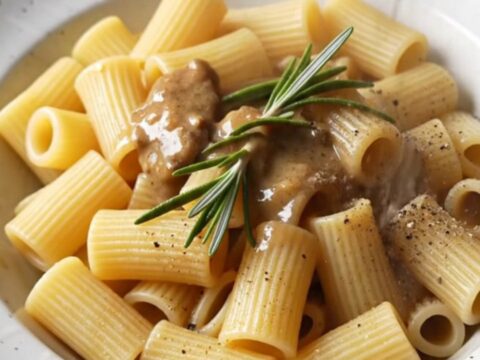
Slow-Cooker Steakhouse Beef Tips and Rigatoni
Total time: 3 h 35 min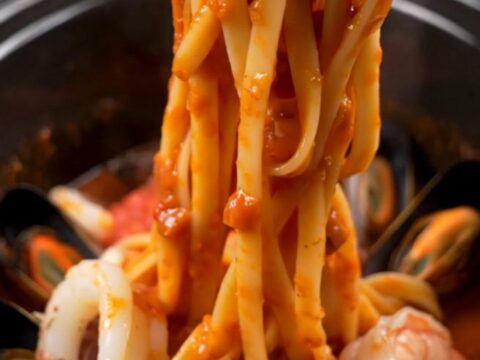
Slow-Cooker Seafood Fra Diavolo Linguine
Total time: 3 h 30 min
Creamy Crockpot Chicken Pot Pie Noodles with Biscuit Crumbles
Total time: 5 h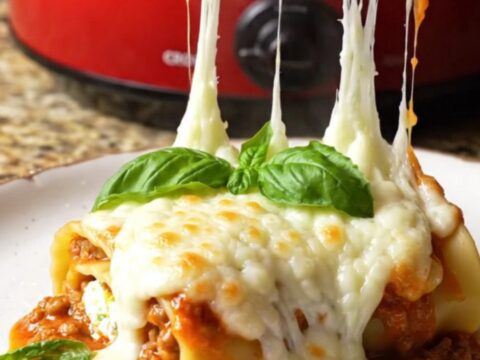
Crockpot Spinach Ricotta Lasagna Roll-Ups: Easy Portion Serving
Total time: 3 h 40 min