Dinner · Part 3 of 3: Tips & recipe card
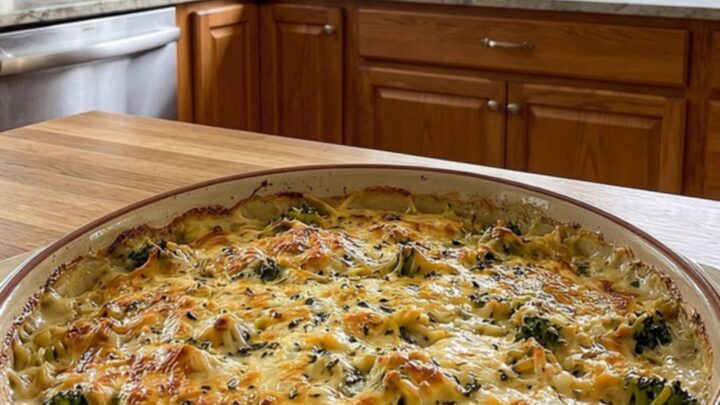
Creamy Chicken and Broccoli Orzo Casserole Tips, FAQ & printable recipe
- Prep
- Cook
- Total
- Serves
- 4
Tips for success
For a more intense flavor, incorporate a pinch of garlic powder or dried herbs during the searing phase.
If the sauce seems too thick after adding the cheese, a tablespoon of warm water or additional cream can be stirred in to restore the desired consistency, ensuring it remains smooth and coatable.
To achieve a more decorative presentation, reserve a small portion of the parmesan to sprinkle over the top just before the final broiling step.
This creates a more distinct, crispy crust on the surface of the casserole, which adds a pleasant textural contrast to the creamy orzo and soft chicken underneath.
Variations
- Spinach and Mushroom: Add sliced mushrooms during the searing phase and fold in fresh baby spinach leaves at the very end until they just wilt into the hot sauce.
- Sun-Dried Tomato: Stir in a handful of chopped sun-dried tomatoes during the final phase to add a concentrated, tangy sweetness that cuts through the creaminess of the dish.
Storage and make-ahead
- Fridge
- Keep in an airtight container for up to 3 days.
- Freezer
- Freezing is not recommended as the creamy sauce may separate upon thawing.
- Reheat
- Reheat gently on the stovetop over low heat, adding a splash of cream or water to loosen the sauce.
Store any leftovers in an airtight container. Allow the dish to cool at room temperature for no more than two hours before placing it into the refrigerator.
When stored properly, the casserole will maintain its quality for up to three days in the refrigerator, though the pasta may continue to absorb the sauce over time.
This dish can be partially prepared by searing the chicken and cooking the orzo to a slightly firmer al dente stage ahead of time.
Store these components separately or combined in the refrigerator, and then finish the sauce and the final cooking steps just before you are ready to serve to maintain the best possible texture.
Serving ideas
Serve this casserole hot, straight from the oven or skillet. It is a hearty main course that pairs beautifully with a simple side salad of crisp greens and a light vinaigrette, which helps to balance the richness of the creamy sauce and provides a refreshing contrast in both flavor and texture.
For an elegant touch, garnish the finished dish with freshly chopped parsley or a light dusting of cracked black pepper. This adds a pop of color and a subtle brightness that complements the savory notes of the chicken and parmesan, making the meal feel complete and well-rounded for any occasion.
Frequently asked questions
Can a different type of pasta be used instead of orzo?
How can the sauce be prevented from becoming too thick?
Is it possible to use frozen broccoli instead of fresh?
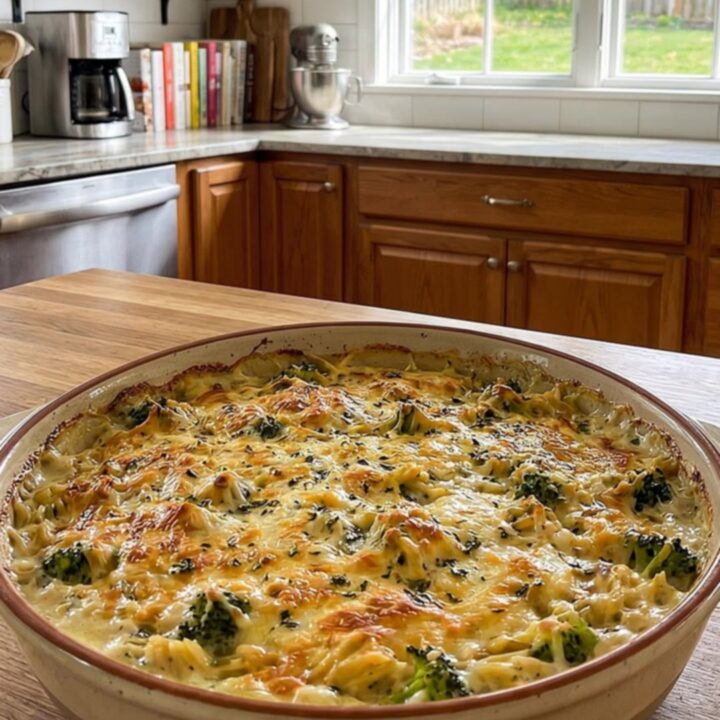
Creamy Chicken and Broccoli Orzo Casserole
Ingredients
- 1 lb chicken breast, cut into cubes
- 1 tbsp olive oil
- 1 1/2 cups orzo
- 1 1/2 cups broccoli florets
- 1 cup heavy cream
- 1/2 cup parmesan cheese, grated
Instructions
- Heat the olive oil in a large skillet over medium-high heat. Add the chicken cubes and cook until golden brown on all sides and cooked through to an internal temperature of 165°F (74°C). Remove the chicken from the skillet and set aside.
- In the same skillet, add the orzo and toast it lightly. Add enough water or broth to cover the orzo and simmer until tender. Stir in the broccoli florets and cook for a few minutes until they are bright green and tender-crisp.
- Stir the heavy cream and parmesan cheese into the skillet with the orzo and broccoli. Add the cooked chicken back into the mixture. Stir continuously until the sauce thickens and coats everything evenly. Transfer to a baking dish if desired and broil briefly for a golden crust.
Estimated nutrition per serving
- Calories
- 520
- Protein
- 32 g
- Carbohydrates
- 45 g
- Fat
- 22 g
- Fiber
- 3 g
- Sugar
- 4 g
- Sodium
- 650 mg
Next recipe
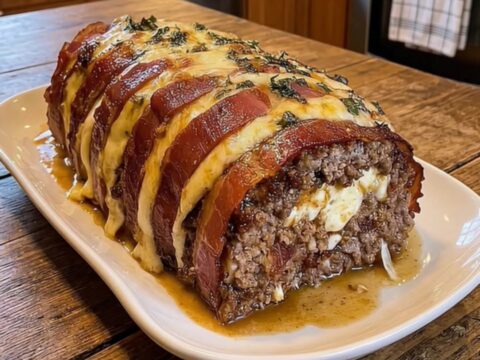
Mozzarella Stuffed Bacon-Wrapped Meatloaf
See the recipe → →This recipe is based on a short cooking video and is published under the pen name Clara Weller. It was checked before publication, but errors can slip through. Nutrition, when shown, is an estimate. Read more in our editorial policy and on our food safety page.
More recipes to try

One-Pot Skillet Lasagna for Easy Comfort
Total time: 40 min
One-Pot Skillet Lasagna for an Easy Weeknight Dinner
Total time: 35 min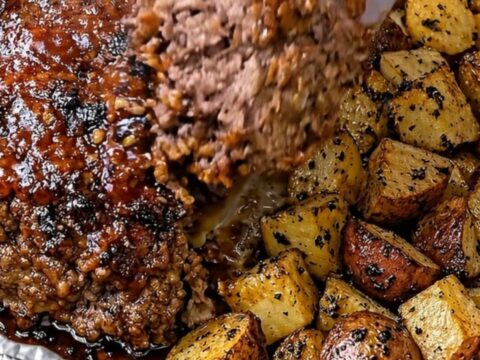
Glazed Beef Meatloaf with Crispy Roasted Potatoes
Total time: 1 h 30 min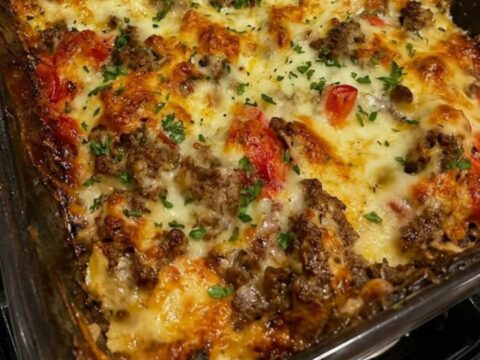
Philly Cheesesteak Casserole with Gooey Melted Cheese
Total time: 45 min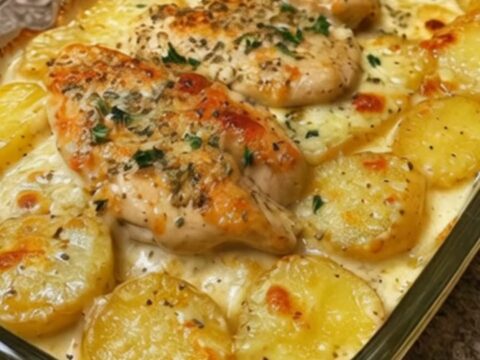
Creamy Chicken and Potato Coin Bake
Total time: 1 h 5 min