Dinner · Part 2 of 3: Instructions
Creamy Chicken and Broccoli Orzo Casserole Step-by-step instructions
- Prep
- Cook
- Total
- Serves
- 4
Before you start
Before starting, ensure all ingredients are measured and ready, as the process moves quickly once the heat is turned on. Cut the chicken into even, one-inch cubes to ensure uniform cooking.
Wash and trim the broccoli into small, manageable florets, ensuring they are dry to prevent steaming them too much. Having the parmesan grated and the cream measured allows for a seamless transition between the searing and the final sauce assembly, which is crucial for maintaining the right texture.
Ingredients at a glance (6)
- 1 lb chicken breast, cut into cubes
- 1 tbsp olive oil
- 1 1/2 cups orzo
- 1 1/2 cups broccoli florets
- 1 cup heavy cream
- 1/2 cup parmesan cheese, grated
Instructions
Searing the chicken
- Sear the chickenHeat the olive oil in a large skillet over medium-high heat. Add the chicken cubes and cook until golden brown on all sides and cooked through to an internal temperature of 165°F (74°C). Remove the chicken from the skillet and set aside.Look for The chicken should be golden brown and opaque.Safe temperature 165°F (74°C) internal temperature (poultry)Tip Ensure the pan is hot before adding the chicken to get a good sear.
The chicken should be golden-brown on the exterior and fully cooked through. The bottom of the skillet will have flavorful browned bits that will serve as the foundation for the sauce. Ensure the meat is not pink in the center before moving to the next phase.
Simmering the base
- Prepare the baseIn the same skillet, add the orzo and toast it lightly. Add enough water or broth to cover the orzo and simmer until tender. Stir in the broccoli florets and cook for a few minutes until they are bright green and tender-crisp.Look for The orzo should be al dente and the broccoli tender.Tip Keep an eye on the liquid levels to prevent the orzo from sticking.
The orzo should be tender and have absorbed most of the liquid. The broccoli should be vibrant green and tender-crisp. If the liquid evaporates too quickly, add a small splash of water or broth to keep the mixture from sticking to the bottom of the pan.
Finishing the sauce
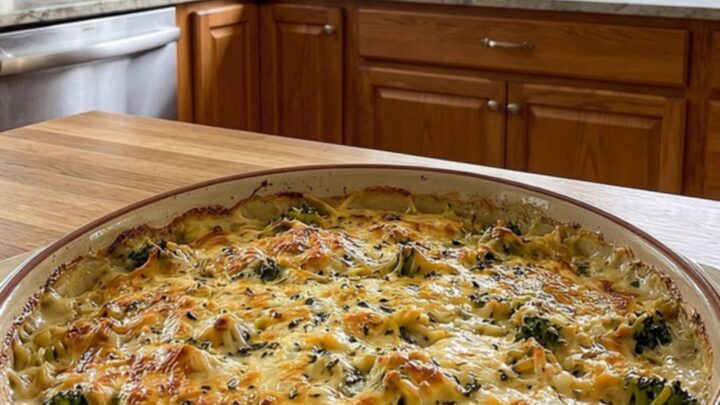
- Create the creamy sauceStir the heavy cream and parmesan cheese into the skillet with the orzo and broccoli. Add the cooked chicken back into the mixture. Stir continuously until the sauce thickens and coats everything evenly. Transfer to a baking dish if desired and broil briefly for a golden crust.Look for The sauce should be thick, creamy, and bubbling.Tip Use freshly grated parmesan for the best melting texture.
The mixture should be thick, creamy, and glossy. The parmesan should be completely melted, and the chicken should be well-incorporated. The dish should smell rich and savory, and the surface should look appetizing and perfectly coated in the velvety sauce.
Common mistakes
A common mistake is overcrowding the skillet when searing the chicken, which causes it to steam instead of brown, resulting in a lack of flavor development.
Another error is overcooking the orzo; because it continues to absorb liquid, it is best to pull it from the heat when it still has a slight bite.
Finally, adding the cheese while the pan is at too high a heat can cause the sauce to separate or become grainy, so always lower the heat before finishing.
How to tell it’s done
The dish is considered done when the chicken has reached an internal temperature of 165°F (74°C) and the orzo is cooked to an al dente texture, meaning it is tender but still offers a slight resistance to the bite.
The sauce should be thick, bubbling, and clinging to the pasta and vegetables. When serving, the top should be golden-brown if broiled, and the overall consistency should be creamy rather than watery or dry.
- Poultry: 165°F (74°C) in the thickest part
Up next · Part 3 of 3
2 variations · storage & make-ahead · 3 answers · printable card
Tips, FAQ & printable recipe (Part 3)← Back to the ingredients (Part 1)