Dinner · Part 3 of 3: Tips & recipe card
Slow-Cooker Burmese Coconut Chicken Curry Noodle Soup Tips, FAQ & printable recipe
- Prep
- Cook
- Total
- Serves
- 6
Tips for success
For the best texture, cook the egg noodles just before serving and keep them warm in a covered bowl. If you're making the soup ahead, store the noodles separately so they don't absorb too much broth and become mushy.
To reheat, gently warm the soup on the stove or in the microwave, adding a splash of chicken broth or coconut milk if it has thickened too much.
Toasting the chickpea flour is a small step that makes a big difference. Heat a dry skillet over medium heat, add the flour, and stir constantly for 2 to 3 minutes until it smells nutty and turns a shade darker.
Be careful not to burn it. You can also add a pinch of chili flakes for heat, but the video keeps it mild and lets the lime and cilantro brighten the bowl.
Variations
- Spicy Chili Oil Swirl: For a fiery kick, stir a spoonful of homemade or store-bought chili oil into each bowl before serving. The heat cuts through the richness of the coconut milk and complements the turmeric and ginger beautifully.
- Vegetarian Twist: Replace the chicken with firm tofu or chickpeas and use vegetable broth instead of chicken broth. Omit the fish sauce and use soy sauce or tamari. The cooking time stays the same, but check the tofu after 2 hours to avoid overcooking.
- Rice Noodle Version: Swap the egg noodles for rice vermicelli or flat rice noodles for a gluten-free option. Cook them according to package directions, rinse with warm water, and serve as directed. This version is lighter but just as satisfying.
- Extra Herbs and Crunch: Add sliced green onions, Thai basil, and a handful of roasted peanuts on top for extra freshness and texture. A squeeze of lime is essential. These add-ons are common in Burmese noodle shops and elevate the bowl.
Storage and make-ahead
- Fridge
- Store soup and noodles separately in airtight containers for up to 4 days. The broth will thicken when chilled; thin with broth or water when reheating.
- Freezer
- The soup (without noodles or toppings) freezes well for up to 3 months. Thaw overnight in the refrigerator and reheat gently. Cook fresh noodles for serving.
- Reheat
- Reheat the soup on the stovetop over medium-low heat, stirring occasionally, until piping hot. Add a splash of broth or coconut milk if too thick.
Store leftover soup and noodles separately in airtight containers in the refrigerator for up to 4 days. The broth will thicken as it cools; thin it with a little chicken broth or water when reheating. Keep the crispy fried noodles in a separate container at room temperature for up to a week, but they are best within a few days.
The soup base can be assembled up to 24 hours ahead. Whisk the coconut milk, chickpea flour, turmeric, paprika, fish sauce, chicken broth, shallots, and ginger in the slow cooker insert, then add the chicken. Cover and refrigerate. When ready to cook, place the insert in the slow cooker and cook on low for 4 hours. This method is perfect for busy mornings.
Serving ideas
Serve the soup immediately after assembling, while the noodles are still hot and the crispy noodles are crunchy. Provide lime wedges at the table so everyone can squeeze fresh juice over their bowl, which brightens the rich coconut broth.
The boiled egg halves can be arranged on top or served on the side. This is a complete meal in itself, but a simple cucumber salad would be a refreshing side.
For a family-style meal, set out all the toppings in small bowls—crispy fried noodles, cilantro, lime wedges, and extra boiled eggs—so each person can customize their bowl.
The soup is hearty enough to be the main event, but it also pairs well with a light green salad or pickled vegetables. Leftovers can be packed for lunch, though the crispy noodles are best added fresh.
Frequently asked questions
Can this soup be made without a slow cooker?
Why does the broth sometimes separate or look curdled?
Can the chicken be replaced with another protein?
What are crispy fried noodles, and where can they be found?
Is this soup very spicy?
Slow-Cooker Burmese Coconut Chicken Curry Noodle Soup
Ingredients
- 2 cans (13.5 oz each) coconut milk
- 1/2 cup toasted chickpea flour (besan)
- 1 tbsp ground turmeric
- 1 tsp paprika
- 2 tbsp fish sauce
- 2 cups chicken broth
- 2 medium shallots, thinly sliced
- 2 tbsp fresh ginger, minced
- 2 lb chicken thighs, boneless skinless
- 12 oz egg noodles
- 1 cup crispy fried noodles
- 2 large boiled eggs, halved
- 1/2 cup fresh cilantro leaves
- 1 large lime, cut into wedges
Instructions
- In the slow cooker insert, whisk together the coconut milk, toasted chickpea flour, turmeric, paprika, fish sauce, and chicken broth until smooth and no lumps remain. Stir in the sliced shallots and minced ginger. Add the chicken thighs, turning to coat them in the liquid.
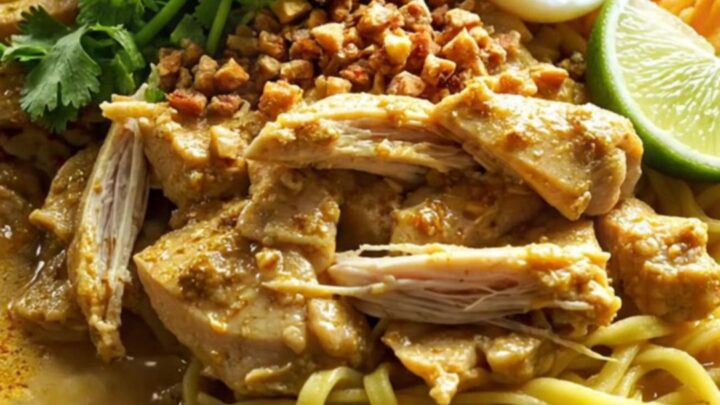
- Place the lid on the slow cooker and set to LOW. Cook for 4 hours, undisturbed, until the chicken is fork-tender and shreds easily. The broth will thicken and become velvety as the chickpea flour cooks.
- Using tongs, transfer the cooked chicken thighs to a cutting board. Shred the meat into bite-size pieces using two forks. Return the shredded chicken to the slow cooker and stir to combine with the golden broth. Keep warm on the 'keep warm' setting or over low heat.
- Bring a large pot of salted water to a boil. Add the egg noodles and cook according to package directions until al dente, usually 5 to 7 minutes. Drain in a colander and rinse briefly with warm water to remove excess starch. Set aside.
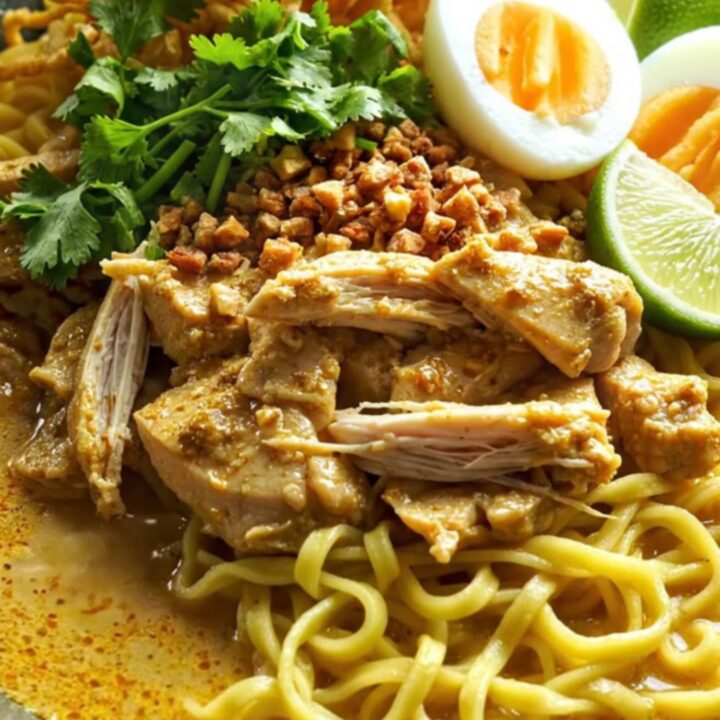
- Divide the cooked egg noodles among serving bowls. Ladle the hot coconut chicken curry over the noodles, making sure each bowl gets plenty of broth and shredded chicken. Top each bowl with crispy fried noodles, halved boiled eggs, fresh cilantro leaves, and a lime wedge on the side.
Estimated nutrition per serving
- Calories
- 620
- Protein
- 32 g
- Carbohydrates
- 48 g
- Fat
- 35 g
Next recipe
Crockpot Vegetable Navratan Korma with Cashew Cream
See the recipe → →This recipe is based on a short cooking video and is published under the pen name Clara Weller. It was checked before publication, but errors can slip through. Nutrition, when shown, is an estimate. Read more in our editorial policy and on our food safety page.
More recipes to try
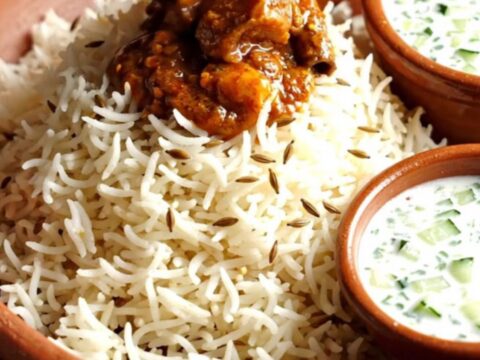
Tangy and Fiery Goan Pork Vindaloo
Total time: 6 h 20 min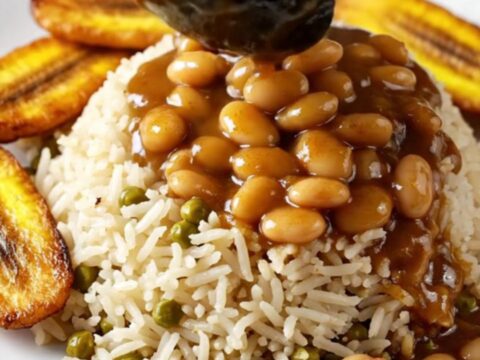
Slow-Cooker Jamaican Brown Stew Oxtail with Butter Beans
Total time: 8 h 30 min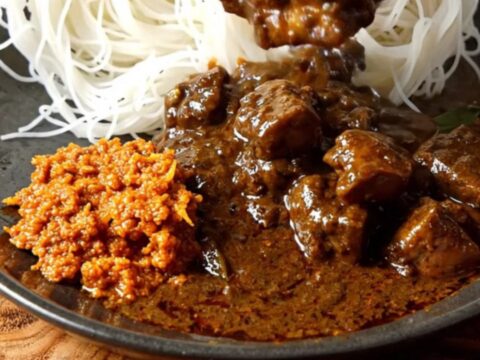
Aromatic Sri Lankan Slow-Cooker Black Pork Curry
Total time: 5 h 20 min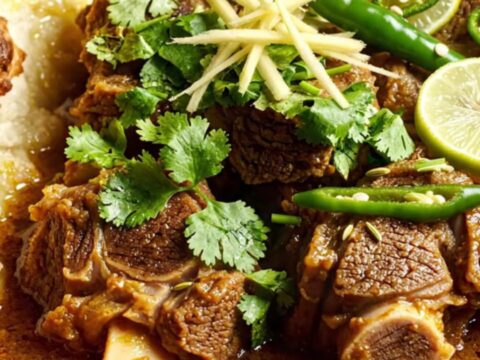
Slow-Simmered Pakistani Beef Nihari for Tender Results
Total time: 8 h 30 min
Crockpot Kerala Fish Molee with Turmeric Coconut Milk
Total time: 2 h 15 min