Dinner · Part 2 of 3: Instructions
Creamy Baked Feta Pasta with Cherry Tomatoes Step-by-step instructions
- Prep
- Cook
- Total
- Serves
- 4
Before you start
Before beginning, ensure all ingredients are at room temperature to promote even cooking. Preheat your oven to 400°F (200°C) well in advance to ensure the baking dish enters a hot environment.
Wash the cherry tomatoes thoroughly and pat them dry to ensure they blister correctly in the olive oil. Prepare a large pot of water for the pasta, bringing it to a rolling boil so it is ready to be cooked just as the roasting phase concludes.
Ingredients at a glance (8)
- 500 grams cherry tomatoes
- 200 grams feta block
- 120 milliliters extra-virgin olive oil
- 4 whole garlic cloves
- 1 teaspoon flaky sea salt
- 400 grams cavatappi pasta
- fresh basil, chiffonade, to taste
- cracked black pepper, to taste
Instructions
Assembly and Roasting
- Prepare the Baking DishPreheat the oven to 400°F (200°C). Arrange the cherry tomatoes in a white stoneware baking dish. Place the block of feta in the center. Add the garlic cloves around the feta. Drizzle the extra-virgin olive oil over everything and sprinkle with flaky sea salt.Look for The ingredients are evenly distributed with the feta centered and tomatoes surrounding it.Tip Ensure the baking dish is deep enough to hold the tomatoes and oil without spilling over during the roasting process.
At this stage, the baking dish is filled with plump cherry tomatoes, a solid block of feta, and whole garlic cloves, all swimming in olive oil. The ingredients look fresh and vibrant, ready to be transformed by the oven's heat.
Check that the salt is evenly distributed and the feta is placed securely in the center to ensure even melting throughout the thirty-minute roasting duration.
Roasting Transformation
- Roast the IngredientsPlace the baking dish into the preheated oven. Roast for 30 minutes. The tomatoes should be blistered and slightly charred, and the feta should be soft and molten.Look for The tomatoes have burst and the feta appears soft and bubbling in the oil.Tip Watch the tomatoes closely during the last few minutes to ensure they blister without burning excessively.
After thirty minutes of roasting, the kitchen should be filled with the aromatic scent of roasted garlic and tomatoes. The tomatoes will look shriveled and blistered, having released a significant amount of liquid. The feta should appear soft and slightly browned on the edges. This is the perfect time to check that the tomatoes are tender enough to be smashed easily with a wooden spoon.
Emulsifying the Sauce
- Smash and CombineWhile the vegetables roast, boil the cavatappi in a large pot of salted water until al dente. Drain the pasta. Using a wooden spoon, smash the roasted feta and garlic into the hot oil and tomatoes to create a creamy pink sauce. Toss the cooked cavatappi directly into the sauce until fully coated. Finish with fresh basil and cracked black pepper.Look for The mixture transforms into a thick, emulsified pink sauce that coats the back of a spoon.Tip Adding a small splash of the pasta cooking water can help emulsify the sauce if it seems too thick.
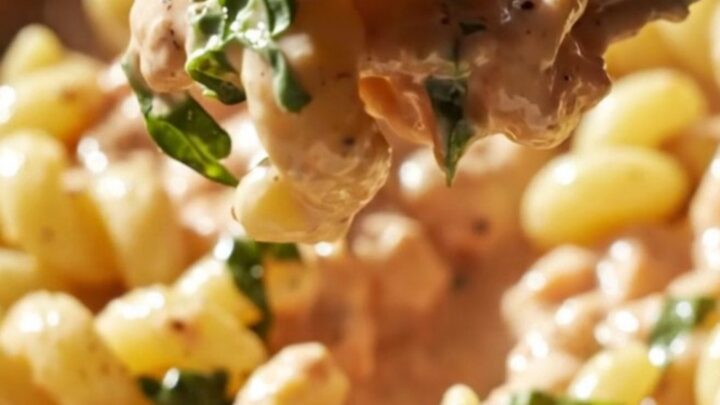
The final phase involves combining the roasted elements into a cohesive, creamy sauce. As you smash the feta and garlic into the hot tomato juices, the mixture should become a vibrant, emulsified pink sauce. After tossing in the cooked cavatappi, the pasta should look glossy and well-coated. The final dish should be steaming, fragrant, and visually appealing with flecks of fresh basil.
Common mistakes
A common mistake is overcrowding the baking dish, which can cause the tomatoes to steam rather than blister. Ensure there is enough space around the feta for the tomatoes to char properly.
Another error is using low-quality oil, which can impact the overall flavor of the sauce. Finally, ensure the feta is not over-roasted to the point where it becomes rubbery; the goal is a soft, spreadable consistency that integrates seamlessly with the tomato juices.
How to tell it’s done
The dish is done when the tomatoes have completely burst and released their juices, and the feta cheese block has softened significantly. When mashed with a wooden spoon, the cheese and tomato mixture should emulsify into a smooth, creamy, and bubbling pink sauce.
The cavatappi pasta should be cooked to an al dente texture, providing a slight resistance to the bite while being fully coated in the luxurious, flavorful sauce.
Up next · Part 3 of 3
2 variations · storage & make-ahead · 3 answers · printable card
Tips, FAQ & printable recipe (Part 3)← Back to the ingredients (Part 1)