Dinner · Part 2 of 3: Instructions
Creamy Alfredo Shrimp Linguine with Broccoli Step-by-step instructions
- Prep
- Cook
- Total
- Serves
- 4
Before you start
Before beginning, gather and measure all ingredients to ensure a smooth cooking process. Peel and devein the shrimp, then pat them completely dry with paper towels. Chop the broccoli into small, even florets, and mince the garlic cloves.
Measure out the heavy cream and butter. Having these components ready is crucial, as the cooking steps happen quickly once the skillet is hot, and overcooking the shrimp or burning the garlic can happen in seconds if unprepared.
Ingredients at a glance (7)
- 8 oz linguine pasta
- 1 lb shrimp, peeled and deveined
- 2 tbsp butter, divided
- 3 cloves garlic, minced
- 1 1/2 cups heavy cream
- 2 cups broccoli florets, cut into bite-sized pieces
- 2 tbsp fresh parsley, chopped, for garnish
Instructions
Pasta and Broccoli Preparation
- Boil the Pasta and BroccoliBring a large pot of water to a boil. Add the linguine pasta and cook according to the package directions. During the last 3 minutes of cooking, add the broccoli florets to the same pot. Drain the pasta and broccoli together, then set them aside.Look for The pasta should be tender and the broccoli vibrant green and tender-crisp.Tip Do not overcook the broccoli, as it will continue to soften when tossed with the hot sauce later.
The linguine should be cooked to al dente, meaning it still has a slight bite in the center, while the broccoli florets should turn a vibrant, bright green. Both components should be tender but not mushy. When draining, the steam will carry a clean, wheaty aroma from the pasta and a fresh, earthy scent from the broccoli. Be sure to reserve some of the cloudy, starchy pasta water, which is essential for finishing the sauce later.
Searing the Shrimp in Butter
- Sear the Shrimp in ButterPat the shrimp dry with paper towels. Melt 1 tablespoon of butter in a large skillet over medium-high heat. Add the shrimp in a single layer and sear for 2 to 3 minutes per side until pink, opaque, and cooked through to a safe internal temperature of 145°F (63°C). Transfer the cooked shrimp to a plate.Look for The shrimp should curl slightly and have a golden-brown crust on both sides.Safe temperature 145°F (63°C) internal temperature (shellfish)Tip Avoid overcrowding the skillet so the shrimp sear beautifully instead of steaming.
The shrimp should sizzle loudly as they hit the hot butter, releasing a savory, rich aroma. As they cook, the shrimp will curl slightly and transition from translucent grey to a beautiful opaque pink with golden-brown edges. When cut, the center should be firm and white, reaching a safe internal temperature of 145°F (63°C). They should look plump and juicy, not shriveled or dry, before being transferred to a plate.
Simmer the Garlic Cream Sauce
- Simmer the Garlic Cream SauceReduce the heat to medium and melt the remaining 1 tablespoon of butter in the same skillet. Add the minced garlic and sauté for about 1 minute until fragrant. Pour in the heavy cream and bring to a gentle simmer, scraping up any browned bits from the bottom of the pan. Let the cream simmer for 3 minutes to thicken slightly.Look for The garlic should be soft and aromatic, and the cream should bubble gently and reduce slightly.Tip Scraping the browned bits from the bottom of the skillet infuses the cream sauce with savory flavor.
- Toss the Pasta and GarnishAdd the cooked linguine, broccoli, and seared shrimp back into the skillet with the garlic cream sauce. Toss everything together over low heat for 1 to 2 minutes until the pasta is thoroughly coated and heated through. Garnish with chopped parsley and serve immediately.Look for The sauce should be glossy and coat the pasta evenly without pooling.Tip Add a splash of reserved pasta water if you need to adjust the sauce consistency to your liking.
The garlic cream sauce should be thick, smooth, and glossy, bubbling gently around the edges of the pan. It will release a rich, comforting fragrance of sweet cream and toasted garlic.
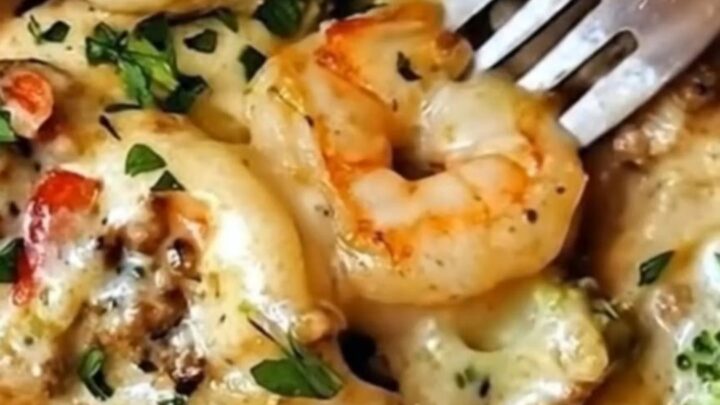
When the pasta, broccoli, and shrimp are tossed back in, the sauce should cling evenly to every surface without pooling at the bottom of the pan. The final dish should look incredibly creamy and glistening, garnished with bright green chopped parsley.
Common mistakes
One common mistake is overcooking the shrimp, which turns them rubbery and tough. To avoid this, sear them quickly over medium-high heat and remove them from the pan as soon as they turn opaque.
Another frequent error is boiling the heavy cream too rapidly for too long, which can cause the sauce to separate and become greasy. Always maintain a gentle simmer and reduce the heat to low once the pasta and shrimp are added back to the skillet.
How to tell it’s done
To determine perfect doneness, check both the pasta and the shrimp. The linguine is done when it is tender with a firm core, and the broccoli should remain vibrant green with a slight crunch.
The shrimp are perfectly cooked when they form a loose 'C' shape and reach an internal temperature of 145°F (63°C) on a digital thermometer. Avoid cooking them until they curl tightly into an 'O' shape, which is a clear sign that they have become dry and overcooked.
- Shellfish: 145°F (63°C) in the thickest part
Up next · Part 3 of 3
2 variations · storage & make-ahead · 3 answers · printable card
Tips, FAQ & printable recipe (Part 3)← Back to the ingredients (Part 1)