Dinner · Part 2 of 3: Instructions
Coconut Crusted Mahi Mahi with Mango Salsa in One Skillet Step-by-step instructions
- Prep
- Cook
- Total
- Serves
- 2
Before you start
Before you turn on the stove, dice the mango, finely chop the red onion, and chop the tomato and cilantro. Combine them in a bowl with a squeeze of lime juice, then refrigerate the salsa while you prepare the fish. Pat the mahi mahi fillets dry with paper towels so the coconut sticks well, and season both sides with salt and pepper.
Grate the coconut into fine flakes and spread it on a shallow dish, stirring in the minced garlic. Set the cast iron skillet, the oil, the butter, the tongs and a spoon within reach of the stove. Keep the coated fillets in the refrigerator until the pan is hot, and never leave raw fish out of the refrigerator for more than 30 minutes.
Ingredients at a glance (12)
- 2 mahi mahi fillets, skin removed, about 6 oz each
- 1/2 tsp kosher salt, plus more to taste
- 1/4 tsp freshly ground black pepper
- 1 cup fresh coconut, finely shredded into flakes
- 2 tbsp neutral oil, such as canola or vegetable oil
- 2 tbsp unsalted butter
- 1 ripe golden mango, peeled and diced into small cubes
- 1/4 cup red onion, finely chopped
- 1 ripe tomato, chopped
- 2 tbsp chopped fresh cilantro
- Fresh lime halves and juice to taste, for squeezing over the salsa
- 1 clove garlic, finely grated or minced
Instructions
Coated and ready
- Prepare the mango salsaDice the mango into small cubes on a cutting board. Finely chop the red onion and the tomato, then combine them in a bowl with the mango and cilantro. Squeeze in lime juice to taste and set the salsa aside.Look for Bright, fragrant salsa with distinct cubes of mango and tomato.Tip Chill the salsa while you cook so the flavors settle and it stays cool.
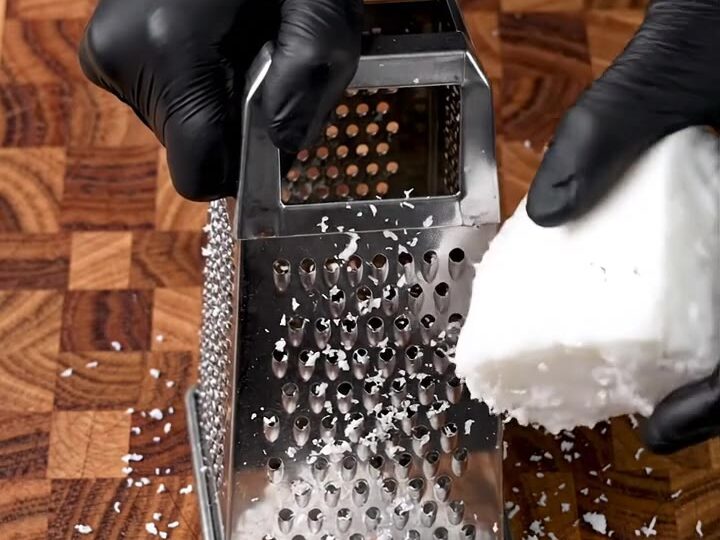
- Season and grate the coconutPat the mahi mahi dry and season both sides with salt and pepper. Grate the fresh coconut on the large holes of a box grater into fine white flakes, spread on a shallow dish, and stir in the minced garlic.Look for Fine white coconut flakes spread evenly across the dish.Tip Use a clean grater and spread the coconut thinly so it crisps evenly.
- Coat the fillets in coconutPress each seasoned fillet firmly into the shredded coconut, turning it so both sides are fully coated. Keep the coated fillets in the refrigerator until the pan is hot, and never leave them at room temperature for more than 30 minutes.Look for Both sides of each fillet are evenly covered with coconut.Tip Pressing firmly helps the coconut stick and form a solid crust.
The mango salsa is chilled and bright, and the fillets are fully coated in coconut on both sides. Each fillet should feel firm and dry under your fingers, with an even layer of flakes covering the surface. Check that no raw fish sits at room temperature, and keep the coated fillets cold until the skillet is hot and the butter is ready to foam in the pan.
Crust turning golden
- Heat oil and butterHeat the oil and butter in a cast iron skillet over medium-high heat until the butter melts and bubbles steadily. The fat should be hot enough to sizzle at once when a flake of coconut touches it.Look for Butter is melted, bubbling and foaming across the pan.Tip Watch the butter closely so it turns nutty without going dark.
- Sear the coconut crustLay the coated fillets in the hot pan, away from each other. Cook for about 3 minutes until the bottom turns deep golden brown, spooning the foaming butter over the top. Flip gently with tongs and cook 3 minutes more.Look for Coconut crust is deep golden and the edges look toasted.Tip Do not move the fillets while they sear so the crust can form.
- Finish the fishCook the fillets until the flesh is opaque and flakes easily at the thickest point. Spoon the foaming butter over the fish as it cooks, and transfer to plates once the centre reaches the safe temperature.Look for Fish is opaque all the way through and flakes with a fork.Safe temperature 145°F (63°C) internal temperature (fish)Tip Check the thickest part of the fillet; it should be the last to turn opaque.
The coconut crust should look deep golden brown on the first side before you flip, and the butter should be bubbling and foaming across the pan. Check the crust by lifting one corner gently with tongs.
If the crust is pale, let it cook a little longer on medium-high heat without moving the fish, and keep spooning the foaming butter over the top so the crust browns evenly.
Fish opaque and flaky
- Plate with salsa and browned butterPlate the golden coconut crusted mahi mahi, leaving the skillet to hold the browned butter. Spoon the bright mango salsa over the top of each fillet, then drizzle with the browned butter from the pan.Look for Salsa is bright and the butter in the pan smells nutty.Tip Spoon the butter over the salsa while it is still hot for the best aroma.
The fish should be opaque all the way through and flake easily with a fork at the thickest point, reaching the safe temperature of 145°F (63°C). Look for the flesh to turn from translucent to white. Before you plate, make sure the center is fully opaque, and set the fillets on warm plates while you spoon the salsa and finish with the browned butter from the skillet.
Common mistakes
The most common mistake is pressing the coconut too gently, which leaves bare patches that brown unevenly or fall away in the pan. Another common error is crowding the skillet, because too many fillets lower the temperature and steam the crust instead of frying it.
Keep the heat at medium-high and cook in batches if your pan is small. Do not let the butter go past nutty brown, since burnt milk solids taste bitter. Finally, avoid cutting into the fish too early, because the fillets need a moment to set so the crust stays intact when you flip and plate them.
How to tell it’s done
The fish is done when the flesh has turned fully opaque and separates into flakes when pressed gently with a fork at the thickest point. The internal temperature should reach at least 145°F (63°C) in the center of the fillet, measured with an instant read thermometer.
The coconut crust should be deep golden brown and crisp to the touch. If the fish still looks translucent in the middle, return it to the skillet for another minute or two and check again. Avoid overcooking, because mahi mahi becomes dry and chalky once the flesh firms too much, so pull the fillets as soon as they flake cleanly.
- Fish: 145°F (63°C) in the thickest part
Up next · Part 3 of 3
4 variations · storage & make-ahead · 5 answers · printable card
Tips, FAQ & printable recipe (Part 3)← Back to the ingredients (Part 1)