Dinner · Part 1 of 3: Ingredients
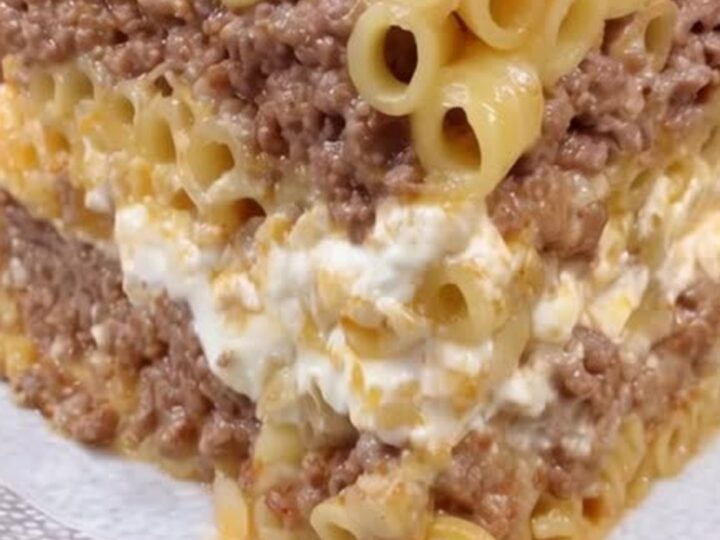
Classic Greek Pastitsio with Creamy Bechamel
- Prep
- Cook
- Total
- Serves
- 8
Craving the ultimate comfort food? This classic Greek pastitsio delivers incredible warmth and rich flavor with every single bite. Featuring layers of tender tubular pasta, a deeply spiced meat sauce, and a velvety, golden-brown bechamel topping, this baked casserole is perfect for cozy family dinners and special gatherings alike. Every bite offers a harmonious blend of savory, warm spices and rich, creamy textures.
This traditional Greek pastitsio brings together three distinct components to create a stunning layered masterpiece. Often referred to as Greek lasagna, this dish replaces flat noodles with tubular pasta, which holds onto the rich meat sauce and creamy bechamel.
The preparation is straightforward but requires attention to detail to achieve those beautiful, clean layers when sliced. Perfecting each layer ensures a cohesive casserole that bakes to bubbly perfection, filling the kitchen with an irresistible aroma of cinnamon, nutmeg, and savory beef.
Ingredients
- 12 oz tubular pasta
- 3 cups spiced meat sauce, store-bought or made ahead
- 2 cups bechamel, store-bought or made ahead
Why this recipe works
The structural integrity of pastitsio relies on the careful layering of its components. By using tubular pasta as the base, the casserole gains a sturdy foundation that can support the heavy spiced meat sauce and thick bechamel topping.
When the pasta is arranged evenly and pressed down gently, it prevents the layers from collapsing or sliding apart when sliced, ensuring a beautiful presentation on the plate that showcases each distinct element clearly. This careful arrangement allows the flavors to meld together perfectly while keeping the textures distinct.
A properly layered bechamel sauce acts as both a rich topping and a protective barrier during baking. The velvety sauce is smoothed over the spiced meat, sealing in the moisture of the beef below.
As it bakes, the bechamel sets into a firm, sliceable custard-like layer that browns beautifully under the oven heat, creating a contrasting crispy crust that seals the entire casserole and provides a delightful crunch. This baking process transforms the top layer into a golden, bubbly masterpiece that is as beautiful as it is delicious.
Notes and substitutions
Choosing the right pasta is essential for authentic pastitsio. Traditional Greek tubular pasta is ideal, but bucatini or penne serve as excellent, readily available substitutes in American supermarkets.
Avoid thin pasta varieties like spaghetti, as they lack the structural density needed to support the heavy meat and bechamel layers, resulting in a compressed and less defined casserole that will not hold its shape. The hollow tubes of the pasta are crucial because they capture the juices from the meat sauce, ensuring flavor in every bite.
For the best results, use high-quality pre-made spiced meat sauce and bechamel, or prepare them ahead of time. This simplifies the assembly process and ensures that the sauces have cooled slightly, which prevents them from bleeding into each other during layering. Ensure the meat sauce is thick and not overly watery to maintain the distinct, clean layers that make this dish so visually appealing. If the sauces are too warm or thin, they will mix together, losing the signature layered look.
- tubular pasta: penne or rigatoni pasta
Equipment
- 9x13-inch baking dish
- large pot
- silicone spatula
Up next · Part 2 of 3
4 steps · 45 min of cooking · what to look for at each stage
Step-by-step instructions (Part 2)