Dinner · Part 1 of 3: Ingredients
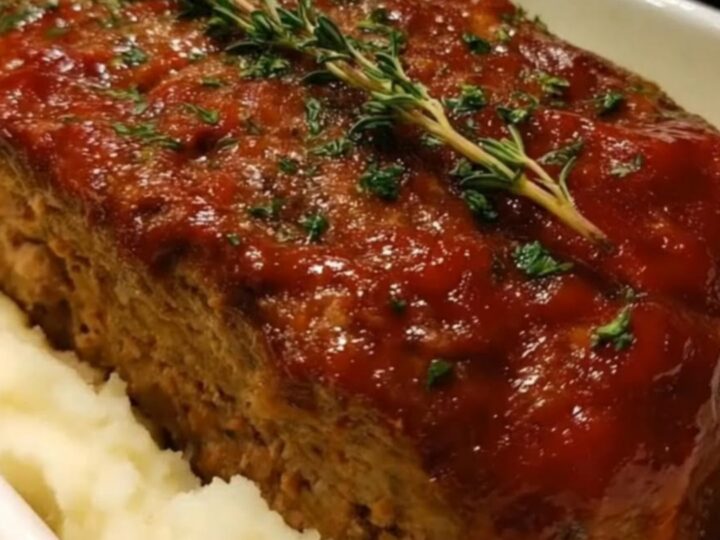
Classic Glazed Meatloaf with Mashed Potatoes
- Prep
- Cook
- Total
- Serves
- 6
Craving a comforting dinner that brings everyone to the table? This classic glazed meatloaf is the ultimate comfort food, featuring a tender, juicy beef blend topped with a sweet, tangy red glaze. Baked to perfection and served over a bed of creamy mashed potatoes, this recipe delivers nostalgic flavor with foolproof results every single time.
There is nothing quite like a traditional meatloaf to make a house feel like a home. This recipe elevates the classic family favorite by focusing on texture and moisture. By incorporating a simple milk-soaked breadcrumb panade, the ground beef remains incredibly tender and juicy during the baking process, preventing the dense, dry texture that often plagues homemade meatloaves.
The star of the show is the glistening, caramelized glaze made from a perfect balance of ketchup, brown sugar, mustard, and apple cider vinegar. It creates a beautiful, sticky crust that complements the savory meat. Served alongside fluffy mashed potatoes, this dish is a complete comfort meal that will satisfy everyone at your table.
Ingredients
- 2 lb lean ground beef
- 1 cup panko breadcrumbs
- 1/2 cup whole milk
- 1 large egg
- 1/2 cup yellow onion, finely chopped
- 2 cloves garlic, minced
- 2 tbsp Worcestershire sauce
- 1 tsp kosher salt
- 1/2 tsp freshly ground black pepper
Glaze
- 1/2 cup ketchup
- 1/4 cup light brown sugar, packed
- 1 tbsp apple cider vinegar
- 1 tsp yellow mustard
For Serving
- 4 cups mashed potatoes, warm
- 1 tbsp fresh thyme leaves
Why this recipe works
The secret to this exceptionally tender meatloaf lies in the use of a panade, which is a mixture of breadcrumbs and milk. When breadcrumbs absorb milk, they form a paste that coats the meat proteins, preventing them from contracting too tightly during cooking.
This process traps moisture within the meatloaf, ensuring that every slice is succulent rather than dry and crumbly. Additionally, mixing the ingredients gently by hand prevents the proteins from becoming overworked, which can lead to a dense, tough texture. This careful handling guarantees a light, melt-in-your-mouth bite.
The baking method also plays a crucial role in the success of this recipe. Instead of packing the meat into a traditional loaf pan, shaping it on a flat rimmed baking sheet allows the hot air to circulate freely around the entire loaf.
This creates more surface area for the delicious sweet and tangy glaze to caramelize, resulting in a beautifully browned exterior with crispy edges. The glaze is applied during the final stages of baking, allowing it to thicken and set into a sticky, rich coating without burning.
Notes and substitutions
When choosing ingredients for this meatloaf, opt for ground beef with an 85/15 or 80/20 lean-to-fat ratio. Super-lean beef will result in a dry meatloaf, while a moderate amount of fat provides essential moisture and rich flavor.
For the breadcrumbs, panko is highly recommended as its light, airy texture creates a superior panade compared to dense, fine breadcrumbs. Whole milk is ideal for the panade, but heavy cream or even unsweetened almond milk can be used as a substitute if necessary.
For the glaze, light brown sugar provides a deep caramel sweetness that balances the acidity of the ketchup and vinegar. You can adjust the vinegar to your liking if you prefer a tangier finish. A rimmed baking sheet is the best equipment for this recipe, as it catches any escaping juices while allowing the loaf to bake evenly. If you prefer a more compact shape, you can use a loaf pan, but keep in mind that the sides will not develop the same caramelized glaze.
- panko breadcrumbs: standard breadcrumbs or crushed saltine crackers can be used as a substitute.
- whole milk: heavy cream, half-and-half, or unsweetened almond milk can be used instead.
Equipment
- large bowl
- small bowl
- rimmed baking sheet
- aluminum foil
- meat thermometer
- pastry brush
- chef's knife
Up next · Part 2 of 3
7 steps · 1 h of cooking · what to look for at each stage
Step-by-step instructions (Part 2)