Dinner · Part 2 of 3: Instructions
Classic Fettuccine Alfredo: Silky Garlic Parmesan Pasta in 25 Minutes Step-by-step instructions
- Prep
- Cook
- Total
- Serves
- 4
Before you start
Before starting, bring a large pot of water to a boil for the pasta. Grate the parmesan cheese and chop the parsley so they're ready to add at the end. Measure out the heavy cream and have the pasta water nearby.
Set a wide skillet over medium heat and gather all your ingredients within reach. This recipe moves quickly once the sauce starts, so having everything prepped ensures a smooth process.
Ingredients at a glance (11)
- 8 oz fettuccine pasta
- Salt, for the pasta water, to taste
- 1/2 cup unsalted butter
- 1 1/2 tbsp all-purpose flour
- 1 tbsp garlic powder
- 1 tsp black pepper
- 1 tsp Italian seasoning
- 1 1/2 cups heavy whipping cream
- 1 cup reserved pasta cooking water
- 1 cup freshly grated parmesan cheese
- 2 tbsp chopped fresh parsley
Instructions
Perfectly Cooked Pasta
- Cook the FettuccineBring a large pot of generously salted water to a rolling boil. Add the fettuccine and cook until al dente according to the package directions. Before draining, reserve 1 cup of the starchy pasta cooking water. Drain the pasta and set it aside.Look for The pasta is tender but still has a slight bite in the center.Tip Reserve the pasta water before draining; it's the secret to a silky sauce.
- Melt the Butter and Bloom the SeasoningsIn a wide skillet over medium heat, melt the butter. Whisk in the flour and cook for 1 minute, stirring constantly, to form a smooth roux. Add the garlic powder, black pepper, and Italian seasoning, and whisk for another minute until fragrant.Look for The mixture is bubbling gently and smells toasty and aromatic.Tip Cooking the flour for a full minute removes the raw taste and helps thicken the sauce.
The fettuccine is al dente—tender but with a slight bite. The reserved pasta water is starchy and cloudy. The butter is melted and the flour is cooked into a smooth, bubbling roux, releasing a toasty aroma. The seasonings are fragrant and evenly distributed.
Silky Cream Sauce
- Build the Cream SauceSlowly pour in the heavy cream and reserved pasta water, whisking constantly to combine. Bring the mixture to a gentle simmer and cook, whisking often, until it thickens enough to coat the back of a spoon, about 3 to 5 minutes.Look for The sauce is smooth, glossy, and coats the spoon without being too thick.Tip Keep the heat at a gentle simmer—boiling can cause the cream to separate.
- Melt in the Parmesan and ParsleyRemove the skillet from the heat. Add the freshly grated parmesan cheese and chopped parsley, and stir until the cheese melts completely into the sauce. The sauce should be velvety and slightly loose, as it will thicken when the pasta is added.Look for The cheese melts smoothly and the sauce is fragrant with garlic and herbs.Tip Grate the parmesan fresh for the smoothest melt; pre-shredded varieties can turn grainy.
The sauce has thickened to a glossy, pourable consistency and coats the back of a spoon. The parmesan has melted completely, leaving a smooth, velvety texture. The parsley adds flecks of green, and the aroma is rich with garlic and cream.
Coated and Ready
- Toss the Pasta in the SauceAdd the drained fettuccine to the skillet and use tongs or a wooden spoon to toss it thoroughly, coating every strand with the creamy sauce. If the sauce seems too thick, add a splash of the reserved pasta water to loosen it to the desired consistency.Look for Every strand is coated in a glossy, creamy sauce that clings to the pasta.Tip Toss with tongs rather than stirring to keep the pasta strands intact.
- Serve ImmediatelyTwirl a generous portion onto each plate or into warm bowls. Garnish with extra parmesan and parsley if desired. Serve right away while the sauce is warm and silky.Look for The pasta is steaming and the sauce is creamy and clinging to the noodles.Tip Warm the serving bowls with hot water before plating to keep the sauce from cooling too quickly.
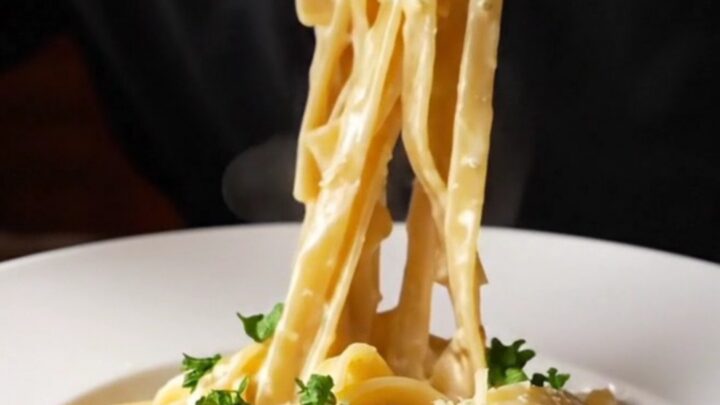
Every strand of fettuccine is glistening with a creamy, clinging sauce. The pasta is well-coated but not dry, with a slight sheen. The dish is steaming and ready to serve immediately for the best texture.
Common mistakes
A common mistake is boiling the cream, which can cause it to curdle or separate. Keep the heat at a gentle simmer.
Another pitfall is adding the cheese over high heat, which can make it clump or turn stringy. Always remove the pan from the heat before stirring in the parmesan.
Also, be generous with the salt in the pasta water—it's the only chance to season the pasta itself. Finally, don't overcook the pasta; it will continue to cook slightly when tossed with the hot sauce.
How to tell it’s done
The pasta is done when it's al dente—tender but still firm to the bite. The sauce is ready when it coats the back of a spoon and leaves a clear trail when you run a finger through it.
After adding the cheese, the sauce should be smooth and glossy. When tossed with the pasta, it should cling to the noodles without pooling at the bottom. Taste and adjust seasoning with salt and pepper if needed.
Up next · Part 3 of 3
4 variations · storage & make-ahead · 5 answers · printable card
Tips, FAQ & printable recipe (Part 3)← Back to the ingredients (Part 1)