Dinner · Part 3 of 3: Tips & recipe card
Cheesy Baked Parmesan Meatloaf for a Hearty Dinner Tips, FAQ & printable recipe
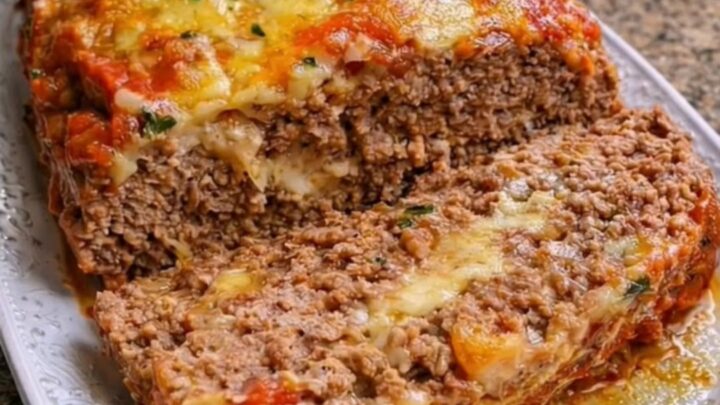
- Prep
- Cook
- Total
- Serves
- 6
Tips for success
Form the meatloaf into an even, uniform rectangle on the baking sheet rather than a high mound with tapered ends. Keeping the thickness consistent from the center to the edges ensures that the entire loaf cooks at the same rate, avoiding overcooked outer edges while waiting for the interior to finish.
If you prefer deeper browning on the melted mozzarella, switch your oven to the broil setting for the final two minutes of cooking. Keep the oven door slightly cracked and monitor the cheese constantly, as the high direct heat can turn golden brown cheese dark very quickly.
Variations
- Spicy Arrabbiata Meatloaf: Swap traditional marinara sauce for spicy arrabbiata sauce to give the cheesy topping a bold, zesty kick that cuts through the rich beef.
- Double Cheese Meatloaf: Add a layer of sliced provolone cheese over the marinara sauce before topping with the shredded mozzarella for extra creamy, decadent stretch.
Storage and make-ahead
- Fridge
- Store in an airtight container in the refrigerator for up to 4 days.
- Freezer
- Freeze individual wrapped slices for up to 3 months in airtight freezer bags.
- Reheat
- Warm slices in a 350°F (175°C) oven covered with foil until heated through to 165°F (74°C).
Allow any leftover meatloaf to cool on the counter for no longer than two hours after cooking to comply with food safety standards.
Transfer the cooled slices into an airtight container or wrap them snugly in aluminum foil, then place them promptly into the refrigerator. Stored this way, the cooked meatloaf retains its moisture and flavor nicely for up to four days.
You can shape the parmesan meatloaf on your baking sheet up to twelve hours in advance. Cover the unbaked loaf loosely with plastic wrap and store it in the refrigerator.
When ready to bake, let the loaf sit at room temperature for fifteen minutes to take the chill off, then bake as directed, adding five minutes to the initial cooking time if necessary.
Serving ideas
Present the meatloaf on a warm platter, scattered generously with fresh chopped parsley to add a bright burst of color against the melted cheese and red sauce.
Use a sharp chef knife or a sturdy spatula to cut thick, even slices, lifting each portion gently to maintain the stunning cheese stretch as you plate it for dinner.
This Italian-style meatloaf pairs exceptionally well with garlic mashed potatoes, buttered pasta, or crusty warm bread to soak up any extra marinara sauce.
For a lighter accompaniment, serve alongside a crisp green salad tossed with Italian vinaigrette or tender steamed green beans tossed with olive oil and black pepper.
Frequently asked questions
Can ground turkey be used instead of beef?
Why did the cheese slide off the top when sliced?
How can leftover slices be reheated without drying out?
Cheesy Baked Parmesan Meatloaf for a Hearty Dinner

Ingredients
- 2 lb ground beef
- 1/2 cup grated parmesan cheese
- 1 cup marinara sauce
- 1 1/2 cups shredded mozzarella cheese
- fresh chopped parsley, for serving
Instructions
- Preheat the oven to 375°F (190°C). In a large mixing bowl, gently combine the ground beef and grated parmesan cheese until evenly distributed, taking care not to overmix the meat to keep it tender.
- Shape the seasoned meat into an even loaf on a parchment-lined baking sheet. Bake in the oven for 45 minutes until the center reaches a safe internal temperature of 160°F (71°C).
- Spoon the marinara sauce evenly over the top of the baked loaf. Scatter the shredded mozzarella cheese over the sauce, then bake for 10 to 15 minutes more until the cheese is completely melted and bubbly. Garnish with fresh chopped parsley before slicing.
Estimated nutrition per serving
- Calories
- 440
- Protein
- 36 g
- Carbohydrates
- 6 g
- Fat
- 30 g
- Fiber
- 1 g
- Sugar
- 3 g
- Sodium
- 680 mg
Next recipe
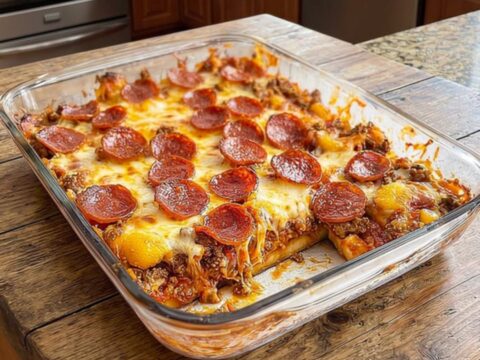
Meat Lovers Pizza Casserole with Cheesy Pull
See the recipe → →This recipe is based on a short cooking video and is published under the pen name Clara Weller. It was checked before publication, but errors can slip through. Nutrition, when shown, is an estimate. Read more in our editorial policy and on our food safety page.
More recipes to try

Golden Beef and Cheese Crescent Rolls for a Quick Savory Bite
Total time: 30 min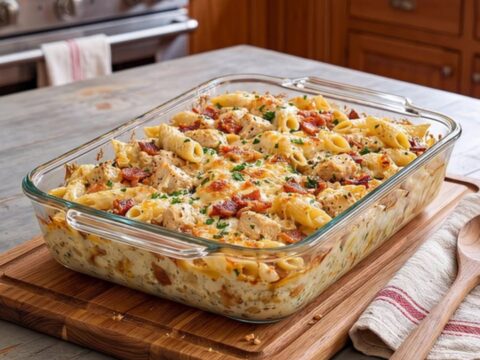
Creamy Chicken Bacon Ranch Pasta Bake
Total time: 50 min
Bacon-Wrapped Stuffed Meatloaf with Melted Cheese
Total time: 1 h 30 min
Ham and Cheese Stromboli with Melted Mozzarella
Total time: 40 min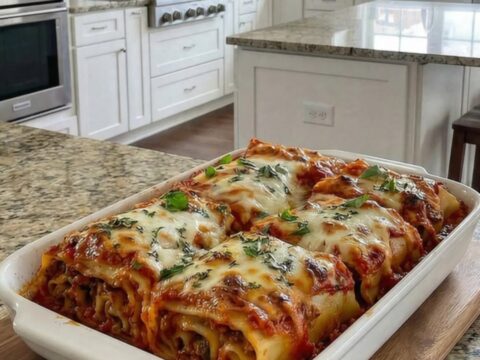
Classic Hearty Beef Lasagna with Rich Sauce
Total time: 1 h 45 min