Dinner · Part 3 of 3: Tips & recipe card
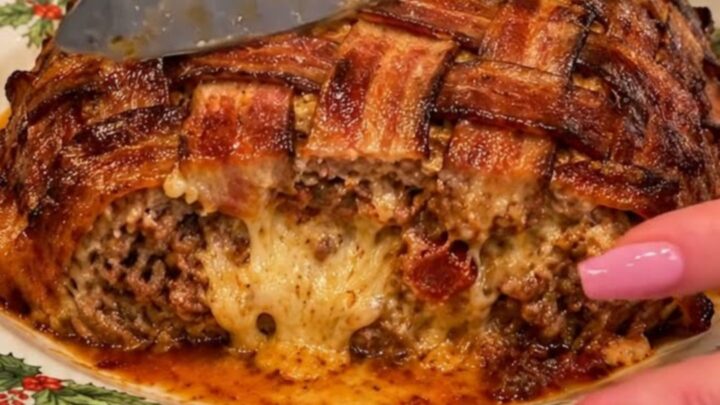
Cheese-Stuffed Bacon-Wrapped Meatloaf Tips, FAQ & printable recipe
- Prep
- Cook
- Total
- Serves
- 6
Tips for success
If the bacon is not crisping up enough towards the end of the cooking time, you can briefly increase the oven temperature or use the broiler for the last few minutes.
Watch it very closely to prevent the bacon from burning, as it can go from perfect to charred very quickly under intense heat.
To make the bacon weave easier to assemble, lay the bacon slices out on a piece of plastic wrap or parchment paper while you work. This allows you to lift the entire weave easily and drape it over the meatloaf without the individual strips falling apart or losing their woven pattern.
Variations
- Spicy Bacon Meatloaf: Add chopped jalapeños and a dash of hot sauce to the meat mixture. Use pepper jack cheese for the filling to increase the heat level and create a bold, spicy flavor profile that pairs beautifully with the salty bacon.
- Herb-Infused Meatloaf: Incorporate finely chopped fresh herbs like parsley, thyme, and rosemary into the meat mixture. These aromatic additions brighten the dish and provide a sophisticated flavor that balances the richness of the cheese and bacon wrap.
Storage and make-ahead
- Fridge
- Store in an airtight container for up to 3 to 4 days.
- Freezer
- Wrap tightly in plastic wrap and foil, then freeze for up to 2 months.
- Reheat
- Reheat in the oven at 350°F (175°C) until warmed through, or microwave in 30-second intervals.
If you have leftovers, allow them to cool completely at room temperature for no more than two hours. Once cooled, place the slices in an airtight container to maintain freshness.
Proper storage is key to keeping the bacon from becoming soggy and the meat from drying out further. Consume within three to four days for the best quality and safety.
You can assemble the meatloaf up to 24 hours in advance. Simply follow the steps to form and wrap the loaf, then cover it tightly with plastic wrap and store it in the refrigerator.
When you are ready to cook, remove it from the fridge while the oven preheats, then bake as directed. This is an excellent way to save time on a busy day.
Serving ideas
Serve the meatloaf in thick slices to ensure the cheese center stays intact. It pairs wonderfully with classic side dishes like mashed potatoes, roasted vegetables, or a crisp garden salad, which provide a light contrast to the rich, savory nature of the bacon and meat mixture.
For a more casual presentation, you can serve the meatloaf on a large platter directly from the oven.
Offering a variety of condiments on the side, such as a tangy barbecue sauce or a simple mustard dip, can provide an extra layer of flavor that complements the richness of the cheese and bacon.
Frequently asked questions
Can this meatloaf be made ahead of time?
What is the best way to prevent the cheese from leaking?
Can the bacon be omitted?
Cheese-Stuffed Bacon-Wrapped Meatloaf

Ingredients
- 2 lb meatloaf mixture
- 8 oz cheese, cubed
- 1 lb bacon slices
Instructions
- Place the meatloaf mixture into a large mixing bowl. Mix until just combined. Form the meat into a rectangular loaf shape on a piece of parchment paper.
- Press the cubed cheese into the center of the meatloaf, then fold the meat over the cheese to seal it completely. On a separate surface, weave the bacon slices together to create a flat bacon mat. Carefully lift and drape the bacon weave over the meatloaf, tucking the ends underneath.
- Transfer the bacon-wrapped loaf to a baking sheet lined with parchment paper. Bake in a preheated oven at 375°F (190°C) until the bacon is crispy and the internal temperature reaches 160°F (71°C) for the ground meat. Remove from the oven and let it rest for at least 10 minutes before slicing.
Estimated nutrition per serving
- Calories
- 450
- Protein
- 35 g
- Carbohydrates
- 2 g
- Fat
- 32 g
- Fiber
- 0 g
- Sugar
- 0 g
- Sodium
- 850 mg
Next recipe
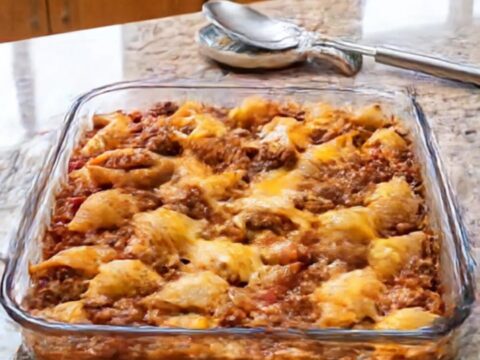
Cheesy Beef Pasta Shells Casserole for a Comforting Dinner
See the recipe → →This recipe is based on a short cooking video and is published under the pen name Clara Weller. It was checked before publication, but errors can slip through. Nutrition, when shown, is an estimate. Read more in our editorial policy and on our food safety page.
More recipes to try

Creamy Broccoli and Cauliflower Alfredo Bake
Total time: 50 min
Creamy Cheesy Broccoli and Cauliflower Casserole
Total time: 50 min
Loaded Beef Nacho Bake for Easy Weeknight Dinners
Total time: 45 min
Classic Cheesy Baked Lasagna with Rich Tomato Sauce
Total time: 1 h 30 min
Garlic Herb Butter Salmon
Total time: 28 min