Dinner · Part 3 of 3: Tips & recipe card
Cast-Iron Garlic Butter T-Bone Steak Tips, FAQ & printable recipe
- Prep
- Cook
- Total
- Serves
- 2
Tips for success
For the best flavor, use high-quality butter. Since the butter acts as both a cooking medium and a sauce, its quality directly impacts the final taste of the steak.
If you prefer a slightly smokier flavor, you can add a small amount of rendered beef fat to the skillet alongside the butter.
When slicing the steak, always cut against the grain. This shortens the muscle fibers, resulting in a much more tender bite. Arrange the slices on a pre-warmed plate to keep them at the perfect serving temperature while you prepare any side dishes or finish the rest of the meal.
Variations
- Peppercorn Crust: Before searing, press cracked black peppercorns into the surface of the steak to create a bold, spicy crust that pairs perfectly with the rich garlic butter.
- Shallot Infusion: Add a finely minced shallot to the pan when you add the butter and garlic for a slightly sweeter, more complex aromatic base that complements the beef.
Storage and make-ahead
- Fridge
- Keep in an airtight container for up to 3 days. Ensure the steak is cooled within 2 hours of cooking before placing it in the refrigerator.
- Freezer
- Wrap tightly in plastic wrap and then aluminum foil for up to 2 months. Thaw in the refrigerator overnight before reheating.
- Reheat
- Gently reheat in a skillet over low heat with a small knob of butter until just warmed through. Avoid microwaving, as it will overcook the meat.
Store any leftover steak in an airtight container to prevent it from drying out. It is best to slice the meat only when you are ready to eat, as whole pieces retain moisture better than pre-sliced portions. Keep it in the coldest part of the refrigerator for up to 3 days.
While the steak is best served immediately, you can prepare the aromatics and season the meat a few hours in advance.
Keep the seasoned steak in the refrigerator, but remember to pull it out 30 minutes before cooking to ensure it reaches room temperature, which is essential for consistent results.
Serving ideas
Serve the steak immediately after the rest period, ideally on a warm plate to maintain its temperature.
The juices that collect on the cutting board during slicing can be drizzled over the meat to add extra moisture and flavor, tying the dish together beautifully for a refined presentation.
This dish pairs exceptionally well with simple, classic sides like roasted asparagus, mashed potatoes, or a fresh garden salad.
The richness of the garlic butter steak benefits from the acidity of a light vinaigrette or the earthiness of roasted root vegetables, balancing the plate perfectly for a complete dinner experience.
Frequently asked questions
What is the best way to ensure the steak is not overcooked?
Why is the butter turning brown and smoking?
Can this recipe be prepared with a different cut of meat?
Cast-Iron Garlic Butter T-Bone Steak
Ingredients
- 2 lbs T-bone steak, thick cut
- 3 tbsp unsalted butter
- 3 cloves garlic cloves, smashed
- 2 sprigs fresh rosemary
Instructions
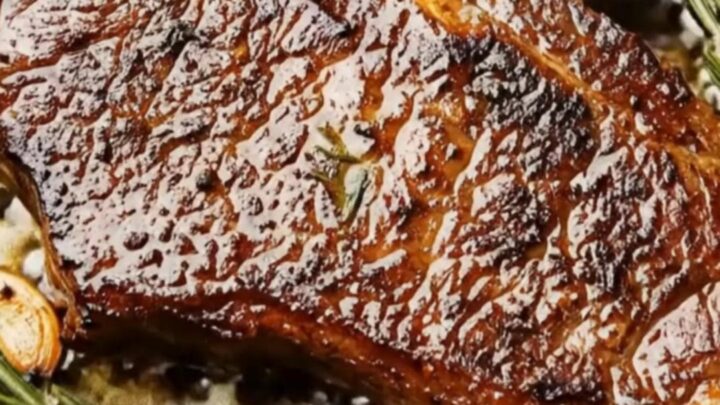
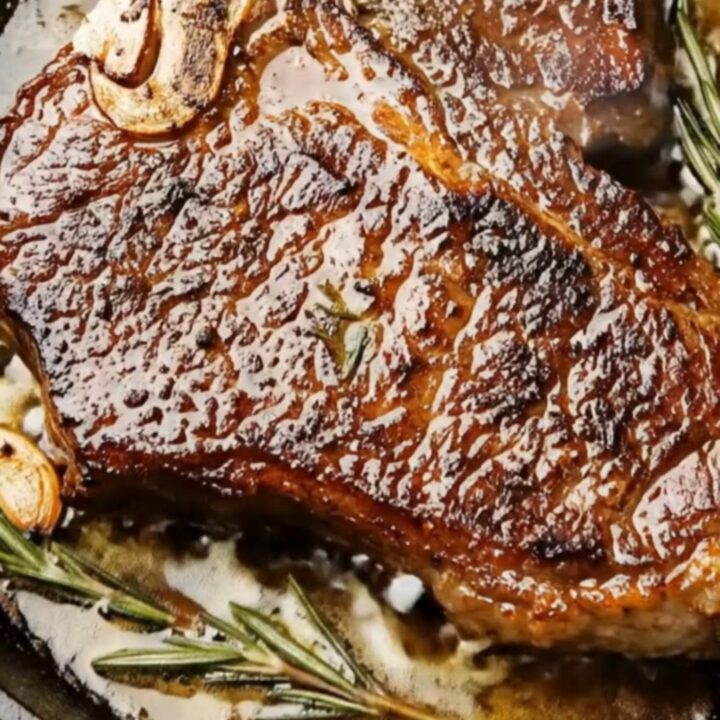
- Heat a heavy cast-iron skillet over high heat until it begins to smoke slightly. Place the seasoned T-bone steak into the hot pan and sear undisturbed for 4 to 5 minutes until a deep brown crust develops on the first side.
- Flip the steak and reduce the heat to medium. Add the butter, garlic, and rosemary sprigs to the skillet. Once the butter is melted and foaming, tilt the pan slightly and use a large spoon to repeatedly baste the steak with the hot, flavorful butter.
- Continue cooking until the internal temperature reaches 145°F (63°C) for medium-rare. Remove the steak from the skillet and transfer it to a warm plate. Let the steak rest for at least 10 minutes before slicing against the grain to serve.
Estimated nutrition per serving
- Calories
- 650
- Protein
- 48 g
- Carbohydrates
- 1 g
- Fat
- 50 g
- Fiber
- 0 g
- Sugar
- 0 g
- Sodium
- 150 mg
Next recipe
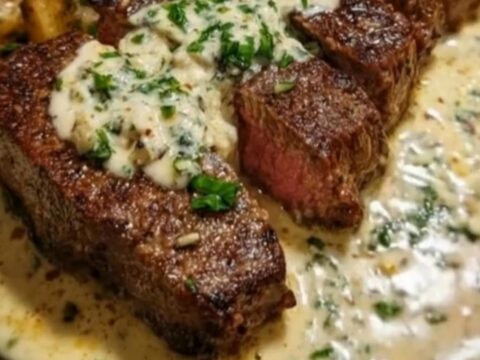
Pan-Seared Steak in Parmesan Garlic Cream Sauce
See the recipe → →This recipe is based on a short cooking video and is published under the pen name Clara Weller. It was checked before publication, but errors can slip through. Nutrition, when shown, is an estimate. Read more in our editorial policy and on our food safety page.
More recipes to try
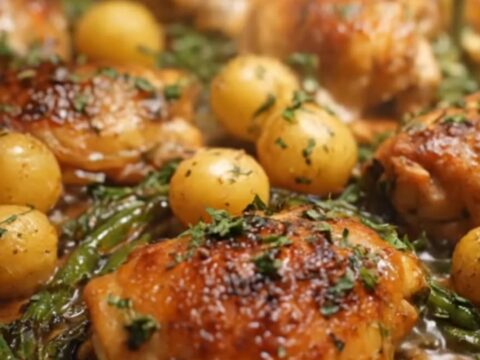
Crispy Garlic Herb Roasted Chicken with Vegetables
Total time: 1 h 5 min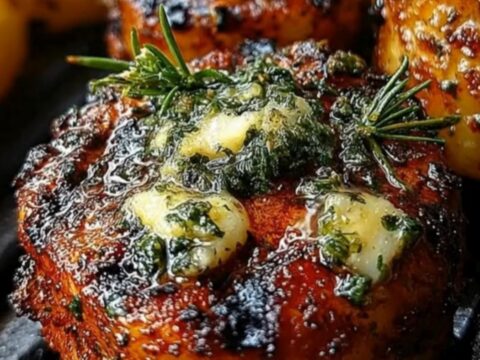
Crispy Grilled Garlic Butter Potatoes
Total time: 20 min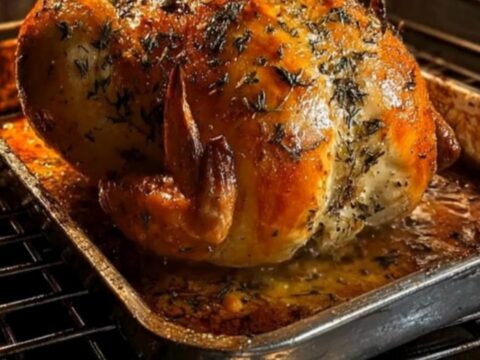
Crispy Herb-Roasted Whole Chicken for a Simple Dinner
Total time: 1 h 45 min
Crispy Oven Roasted Sausage and Potatoes
Total time: 1 h
Creamy Chicken Tortellini Skillet for a Quick Comfort Meal
Total time: 33 min