Desserts · Part 3 of 3: Tips & recipe card
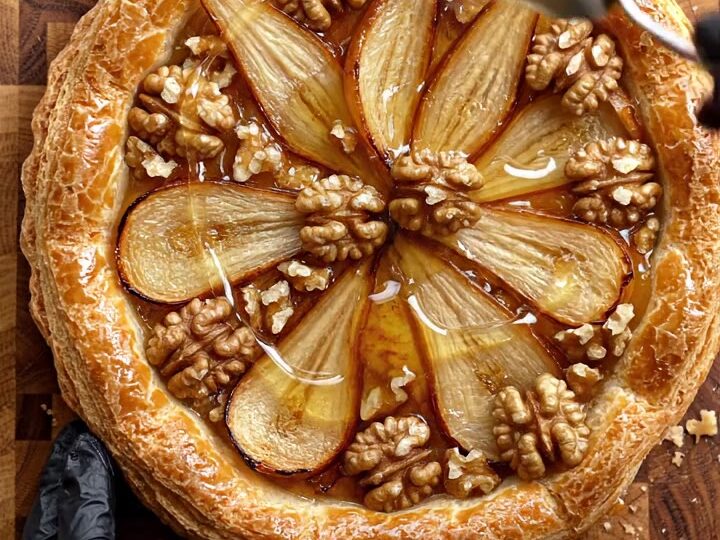
Caramelized Pear Tart with Honey Walnut and Rosemary Tips, FAQ & printable recipe
- Prep
- Cook
- Total
- Serves
- 8
Tips for success
Chill the puff pastry thoroughly before you start, and handle it as little as possible. Warm, soft pastry loses its layers, so if it becomes sticky while you slice the pears or grate the cheese, slide the board into the refrigerator for ten minutes.
Cold dough rises higher, browns more evenly and holds its shape when you lift it onto the baking sheet, which makes a visible difference to the finished tart.
Slice the pears just before assembling, or toss them in a little lemon juice to slow browning. Pat the wedges dry so they do not release liquid onto the cheese. Arrange the slices with the narrow ends toward the center to create a neat radiating pattern, and keep the rows close together so the tart looks full. A few extra wedges kept in reserve help you fill any gaps at the last moment.
Variations
- Rosemary Honey Glaze: Warm the honey with a fresh rosemary sprig for two minutes, then remove the sprig. Drizzle the infused honey over the warm tart for a more fragrant, herbal finish with a deeper flavor.
- Pecan Version: Swap the walnut halves for pecan halves, which toast to a buttery, slightly sweeter flavor. Arrange them between the pear slices exactly as with walnuts, keeping the rest of the method the same.
- Cinnamon Pear Tart: Dust the pear wedges lightly with ground cinnamon before fanning them over the cheese. The warm spice pairs well with the caramelized edges and the honey, giving a cozier dessert for cooler days.
- Aged Cheese Base: Use finely grated aged Asiago or Pecorino instead of a pale hard cheese for a sharper, more pronounced savory base that contrasts strongly with the sweet pears and honey.
Storage and make-ahead
- Fridge
- Refrigerate leftover tart in an airtight container for up to three days, separating slices with parchment paper to keep them neat.
- Reheat
- Warm slices in a 350°F (175°C) oven for about 5 minutes, until the pastry crisps again and the cheese softens.
Keep leftover tart loosely covered at room temperature for up to one day, because the pastry is best eaten soon after baking and the honey stays glossy. For longer storage, refrigerate the tart in an airtight container for up to three days.
Cool it for no more than two hours before refrigerating. Refrigeration firms the cheese but softens the pastry, so refresh slices in a warm oven for a few minutes before serving. Do not stack the slices directly; separate them with parchment to keep the top looking neat.
You can grate the cheese, peel and slice the pears, and toast the walnuts a day ahead. Store the cheese in a sealed container in the refrigerator and keep the sliced pears in water with lemon juice, drained and patted dry just before assembling.
Keep the thawed pastry chilled until you are ready to build the tart. Assemble the tart shortly before baking, because the cheese and fruit can soften the pastry if it sits too long. Warm the honey only when you are ready to finish, so it stays fluid for drizzling.
Serving ideas
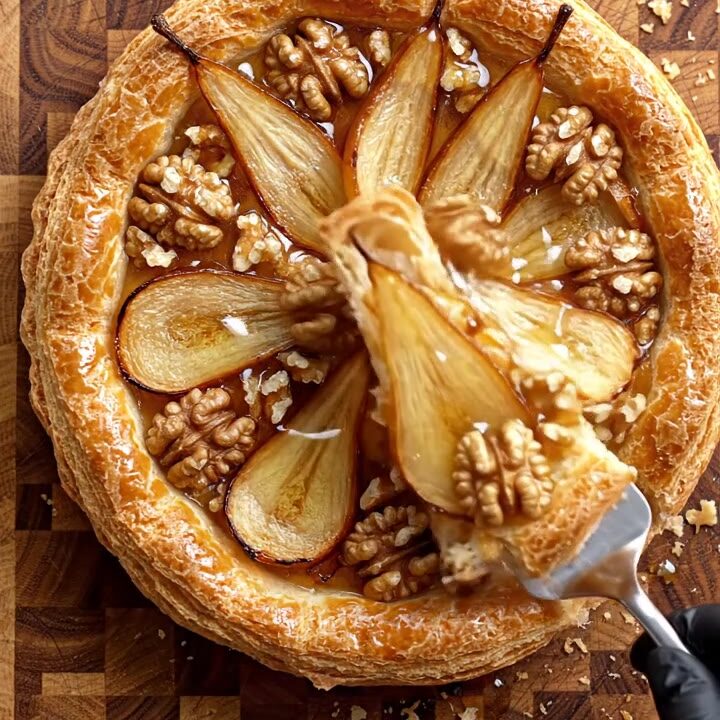
Serve the tart warm or at room temperature, cut into wedges with a cake server. Its savory cheese base and sweet, caramelized pears make it a good match for a simple green salad with a sharp vinaigrette, or for a plate of sliced cheeses with crisp apples.
A small spoonful of lightly whipped cream or crème fraîche on the side adds a cool, creamy contrast to each warm slice without covering the honey and walnuts.
For a dessert course, pour a cup of hot coffee or a glass of dessert wine alongside each wedge. The tart also suits an after-dinner board, where its golden edges and rosemary notes look inviting next to dark chocolate or dried fruit. Present it on the wooden board you used for slicing, with the fanned pears facing up, so guests can see the radiating pattern before the first slice is cut.
Frequently asked questions
Can this tart be made ahead of time?
Which pears work best for a caramelized pear tart?
Why does your puff pastry look flat instead of puffed?
Can you use a different nut instead of walnuts?
Is the honey drizzle added before or after baking?
Caramelized Pear Tart with Honey Walnut and Rosemary
Ingredients
- 1 sheet puff pastry, thawed (store-bought or made ahead)
- 1 cup finely grated hard pale cheese, such as Parmesan
- 3 ripe pears, such as Bosc or Anjou, peeled, cored and cut into thin wedges
- 1/2 cup walnut halves
- 2 sprigs fresh rosemary
- 2 tbsp honey, warmed for drizzling
- 1 egg beaten with 1 tbsp water, for brushing (optional)
- 1 tbsp unsalted butter, melted
Instructions
- Place the puff pastry sheet on the wooden cutting board. Peel, core and slice the pears into thin, even wedges. Grate the hard cheese over a box grater until you have fine shreds. Pick the rosemary leaves from the sprigs and set the walnut halves aside.
- Spread the grated cheese evenly over the pastry sheet, leaving a small border of about one inch around the edge. Scatter a few rosemary leaves over the cheese so their fragrance spreads through the crust.
- Transfer the pastry to the parchment-lined baking sheet. Fan the pear wedges in overlapping rows across the cheese, radiating from the center. Tuck the walnut halves between the pear slices, then brush the pastry border with the melted butter and egg wash.
- Set the oven to 400°F (200°C) and bake the tart on the middle rack for 25 to 30 minutes. Check it near the end: the pastry should be deep golden and puffed, and the pear edges should be tender and caramelized.
- Remove the tart from the oven and let it rest for about 10 minutes on the baking sheet. Warm the honey briefly, then drizzle it over the pears and walnuts for a glossy finish. Slice and serve with a cake server.
Estimated nutrition per serving
- Calories
- 310
- Protein
- 5.5 g
- Carbohydrates
- 34 g
- Fat
- 17 g
- Fiber
- 2.5 g
- Sugar
- 13 g
- Sodium
- 320 mg
Next recipe
Peanut Butter Caramel Crunch Dark Chocolate Fudge Slab
See the recipe → →This recipe is based on a short cooking video and is published under the pen name Clara Weller. It was checked before publication, but errors can slip through. Nutrition, when shown, is an estimate. Read more in our editorial policy and on our food safety page.
More recipes to try
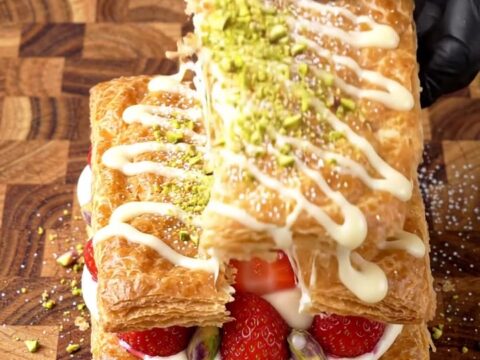
Strawberry Mille-Feuille with Pistachio Cream: Crisp Pastry, Easy Assembly
Total time: 2 h 5 min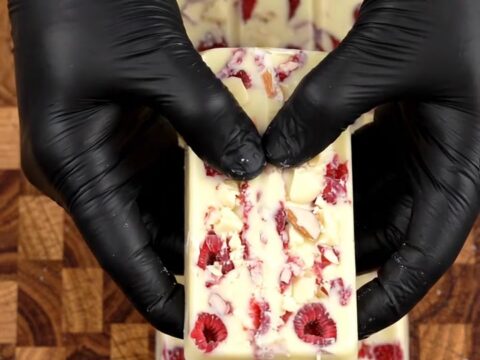
Raspberry Almond Nougat White Chocolate Truffle Bars
Total time: 2 h 25 min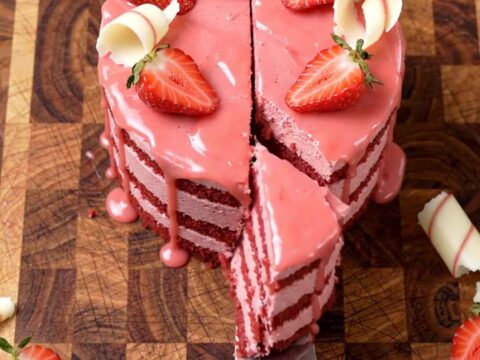
Strawberry Pink Velvet White Chocolate Mousse Cake Layered With Fresh Berries
Total time: 5 h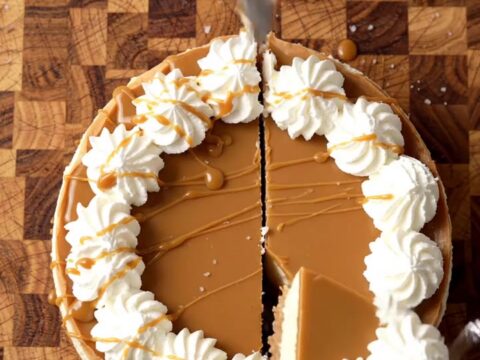
Caramel Macchiato Espresso Mascarpone Cheesecake with Biscuit Crust
Total time: 7 h 40 min
Cherry Nutella Braided Puff Pastry Tart with Chocolate Shavings
Total time: 1 h