Desserts · Part 3 of 3: Tips & recipe card
Caramel Apple Croissant Bake with Chocolate and Whipped Cream Tips, FAQ & printable recipe
- Prep
- Cook
- Total
- Serves
- 8
Tips for success
Slice the croissants with a long serrated knife in a single steady motion so the layers stay open and flaky rather than crushed. Keep the pieces loose on the board until they go into the dish, since compressing them early makes the bake denser.
Warm the caramel sauce gently in a small saucepan or microwave until it pours easily, then move it to a metal pitcher for a controlled pour. A thin, pourable sauce reaches the lower layers and soaks in evenly, which gives the bake its glossy, caramel-rich finish throughout the dish.
Variations
- Extra cinnamon: Increase the cinnamon sugar to add a warmer spice note to every layer. Dust a pinch more ground cinnamon over the apples before the caramel goes on, so the flavor carries through the baked pastry and the glossy top.
- Chocolate-heavy finish: Grate a little more chocolate over the bake after it comes out of the oven, while it is still warm. The curls will soften slightly and cling to the caramel, giving a richer chocolate note in every bite of the dessert.
- Apple-only layers: Use only sliced apples between the pastry layers and skip the thick spiral slices for a lighter structure. The bake will be softer and more fruit-forward, with the croissant pieces acting mainly as a soft base for the caramel and apples.
- Individual portions: Divide the layers among small ramekins or baking cups and bake them for less time, checking for golden edges. Each portion gets its own caramel and whipped cream topping, which suits a dessert table or a more formal serving.
Storage and make-ahead
- Fridge
- Refrigerate leftovers in an airtight container for up to 3 days, once cooled within 2 hours.
- Reheat
- Warm individual portions in a 325°F (165°C) oven for about 8 minutes until heated through and the caramel softens again.
Store leftover bake in an airtight container in the refrigerator once it has cooled to room temperature. Cool it for no more than 2 hours before refrigerating, so the dessert stays safe and the pastry keeps its texture. Cover the dish or container well to protect the surface from drying out.
Whipped cream and chocolate curls are best added fresh when serving, so keep those separate if you plan to store portions. The bake keeps its best flavor within a day or two, when the pastry is still tender and the apples are soft.
You can prepare the components in advance to save time on the day you serve. Dice the apples, grate the chocolate and mix the cinnamon sugar up to a day ahead, keeping each in a separate covered container in the refrigerator. Cut the croissants shortly before assembling so they stay flaky.
Caramel sauce can be made or warmed the day before and reheated gently before pouring. Assemble and bake the dish shortly before you plan to serve, then top it with whipped cream and chocolate just before it goes to the table, since cream loses its volume when it sits.
Serving ideas
Serve the caramel apple croissant bake warm, cut into generous squares directly from the baking dish or lifted onto the round serving board. The contrast between the golden pastry edges, the softened apples and the creamy center is best while the dessert is still warm and the caramel is glossy.
Offer extra caramel sauce on the side for guests who want more sweetness, and add a spoonful of whipped cream and a few chocolate curls to each portion for a finished presentation.
This dessert pairs well with a simple cup of coffee or a mug of hot tea, which balance its sweetness and cinnamon warmth. It also suits a relaxed gathering after a main meal, where a single dish can be cut and shared.
Dust the top with powdered sugar just before bringing it to the table so the surface looks fresh and the sugar stays visible against the golden pastry.
Frequently asked questions
Can the caramel sauce be made ahead?
Which apples work best for this bake?
Why does the pastry turn soggy in the middle?
Can the whipped cream be replaced with something else?
How should leftovers be stored and reheated?
Caramel Apple Croissant Bake with Chocolate and Whipped Cream

Ingredients
- 6 rolled and flaky croissants, some cut into thick spiral slices
- 3 red-skinned apples, peeled and diced
- 1/3 cup cinnamon sugar, divided
- 2 oz chocolate bar, for grating
- 1 cup caramel sauce, warm, store-bought or made ahead
- 1 cup whipped cream, for topping
- powdered sugar, for dusting, to taste
Instructions
- Slice the croissants with a long serrated knife, cutting a few into thick spiral slices and the rest into chunks. Dice the apples and scatter them over the board with the cinnamon sugar.
- Hold the chocolate bar against the coarse side of a box grater and grate it over the board, letting the fine curls fall onto the work surface. Set aside a small pile for the final topping.
- Preheat the oven to 350°F (175°C). Arrange the croissant pieces and apple chunks layer by layer in the baking dish, tucking apple slices between the pastry and sprinkling each layer with cinnamon sugar.
- Warm the caramel sauce until pourable. Pour it generously over the assembled croissants and apples from a metal pitcher, letting it soak into the layers until the surface looks glossy.
- Bake the dish in the preheated oven for about 25 minutes, until the croissant edges are golden and the apples are tender and caramelized. Let it rest for 10 minutes before serving.
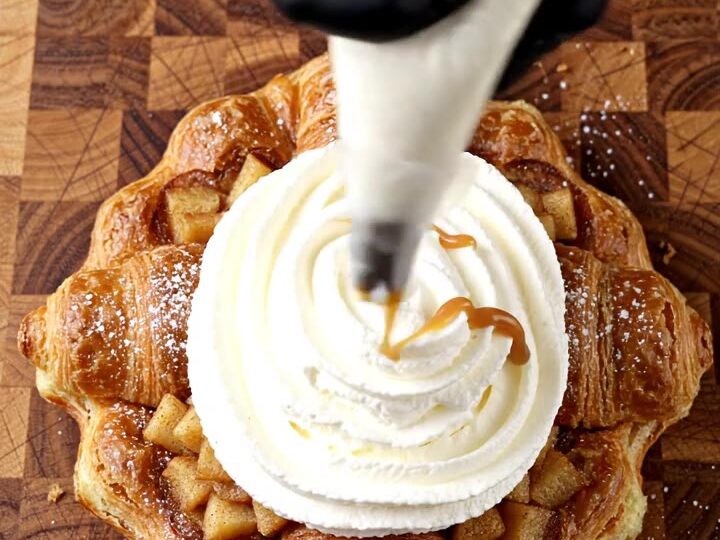
- Move the bake to a round serving board. Top it with a swirl of whipped cream, the reserved chocolate curls, a drizzle of warm caramel and a light dusting of powdered sugar.
- Cut the bake into portions and serve while still warm. Spoon extra caramel over each serving if you like a sweeter finish.
Estimated nutrition per serving
- Calories
- 480
- Protein
- 6 g
- Carbohydrates
- 66 g
- Fat
- 22 g
- Fiber
- 2 g
- Sugar
- 44 g
- Sodium
- 340 mg
Next recipe
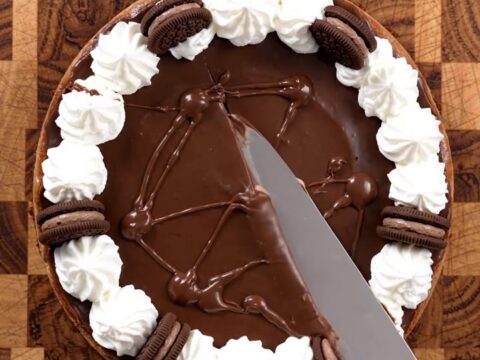
Cookies and Cream Dark Chocolate Cheesecake with Ganache Top
See the recipe → →This recipe is based on a short cooking video and is published under the pen name Clara Weller. It was checked before publication, but errors can slip through. Nutrition, when shown, is an estimate. Read more in our editorial policy and on our food safety page.
More recipes to try
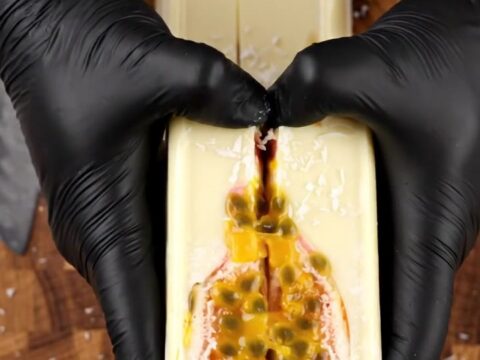
Mango Coconut Passionfruit White Chocolate Bars with Toasted Nuts
Total time: 2 h 25 min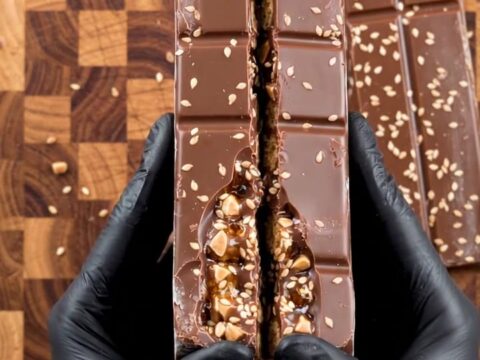
Honeycomb Sesame Bark with Dark Chocolate Bars: Crisp, Nutty and Ready in One Tray
Total time: 1 h 25 min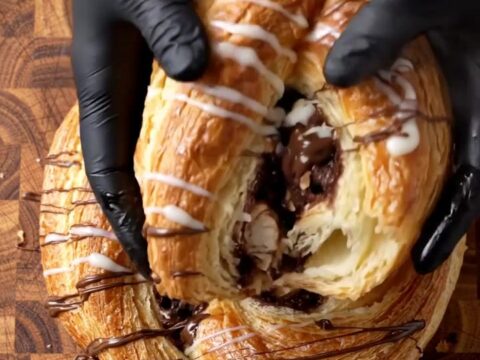
Chocolate Almond Kringle with Flaky Danish Dough and Glaze
Total time: 1 h 40 min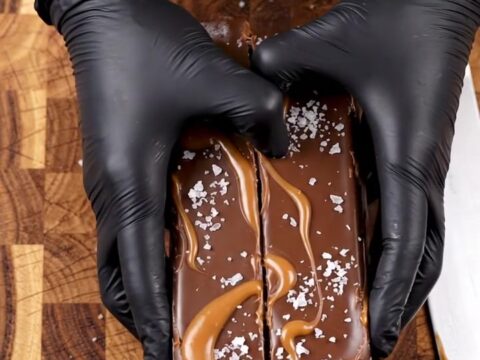
Triple Chocolate Fudge Salted Caramel Brownie Bars
Total time: 3 h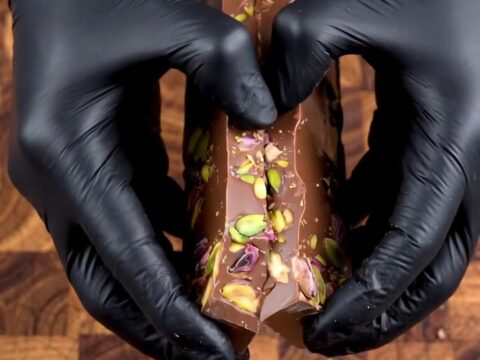
Pistachio Rose Cardamom Milk Chocolate Bars You Can Make in One Tray
Total time: 1 h 30 min