Dinner · Part 2 of 3: Instructions
Cajun Blackened Salmon with Creamy Gulf Shrimp Skillet Step-by-step instructions
- Prep
- Cook
- Total
- Serves
- 2
Before you start
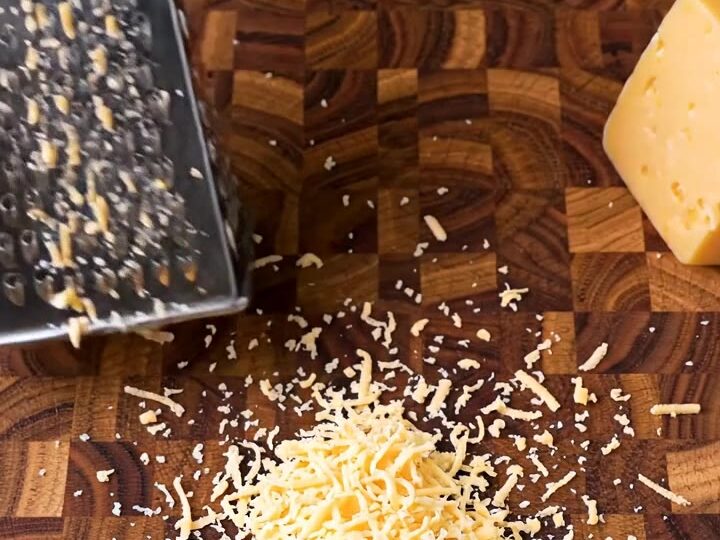
Before you turn on the burner, pat the salmon fillets and shrimp dry with paper towels. Set out the Cajun seasoning, butter, heavy cream, lime and parsley within reach. Dice the red and green bell peppers and the celery, mince the garlic, and grate the cheese on a fine metal grater so it forms a light, fluffy mound.
Keep the salmon and shrimp refrigerated until they go into the skillet, and take them out of the fridge no more than 30 minutes before cooking. Set the black cast-iron skillet on the stove so it is ready to heat. Having everything measured and chopped means the blackening and the sauce can move quickly once the heat is on.
Ingredients at a glance (11)
- 2 thick salmon fillets, about 6 oz each, skin removed
- 3/4 lb large raw shrimp, peeled and deveined
- 2 tbsp Cajun seasoning, divided
- 3 tbsp unsalted butter
- 1/2 cup diced red and green bell pepper
- 1/2 cup diced celery, plus leafy tops for garnish
- 2 cloves garlic, minced
- 1 cup heavy cream
- 1/2 cup shredded cheese, such as Monterey Jack or mild cheddar
- fresh flat-leaf parsley, chopped, for serving
- 1 lime, halved
Instructions
Blacken the salmon and build the base
- Prepare the salmon and shrimpPat the salmon fillets dry and season both sides with half of the Cajun seasoning. Pat the shrimp dry and toss them with the remaining seasoning. Keep the proteins chilled until the skillet is hot.Look for Fillets feel dry to the touch and the shrimp are evenly coated in spice.Tip Dry surfaces brown and blacken far better than wet ones.
- Chop the vegetablesDice the red and green bell peppers and the celery. Mince the garlic. Set the vegetables aside in separate small piles so they are ready for the skillet.Look for Vegetables are cut into even small dice, about one-quarter inch.Tip Uniform dice cook at the same rate and keep the sauce tidy.
- Grate the cheeseGrate the cheese on a fine metal grater to make a fluffy mound of shredded cheese. Keep it covered in the refrigerator until it goes into the sauce.Look for The cheese forms a light, fluffy mound rather than clumps.Tip Finely shredded cheese melts smoothly into the cream.
The salmon has a deep, dark brown crust on the outside and the center is still slightly translucent. The kitchen smells of toasted spice and a little smoke, which is normal for blackening. Check that the fish releases easily from the pan before turning it. The fish should look golden and crisp at the edges.
Keep the heat steady and avoid moving the fillets so the crust can form fully. Once the salmon is set aside to one side of the skillet, the vegetables and shrimp can go in without crowding the fish, and the skillet should still be hot enough to sizzle when the butter melts.
Cook the shrimp in the sauce base
- Sear the blackened salmonHeat the black cast-iron skillet over medium-high heat for 3 minutes. Add 2 tbsp butter, then lay the salmon in the skillet. Sear 3 to 4 minutes per side until the outside is dark, blackened and golden, and the fish flakes at the center.Look for The edges turn deep brown and the crust looks dark and crisp.Safe temperature 145°F (63°C) internal temperature (fish)Tip Open a window, because blackened spice creates strong smoke.
- Add the shrimp and vegetablesMove the salmon to one side of the skillet. Add the remaining butter, then the bell peppers, celery and garlic. Cook 2 minutes, then add the shrimp in a single layer and cook 2 to 3 minutes, turning once, until they are pink and opaque.Look for Shrimp curl into C shapes and turn bright pink.Safe temperature 145°F (63°C) internal temperature (shellfish)Tip Stir the vegetables only as needed so they soften without browning.
- Build the creamy saucePour in the heavy cream and let it simmer over medium heat for 3 to 4 minutes, spooning the sauce over the salmon and shrimp, until it thickens slightly and coats a spoon.Look for Cream bubbles gently and thickens into a glossy coating.Tip Keep the heat moderate so the cream does not scorch on the bottom.
The shrimp have turned pink and opaque and curled into loose C shapes, and the peppers and celery have softened slightly without browning. The garlic smells fragrant and the butter has taken on a golden tone. Check that the shrimp are cooked through by cutting one open; the center should be white. Stir the vegetables gently so they cook evenly. When the cream goes in, it should bubble gently at the edges, not boil hard, so the sauce thickens steadily.
Thicken the sauce and melt the cheese
- Melt the cheese and finishSprinkle the grated cheese over the sauce and let it melt into the skillet for about 1 minute, stirring gently. Remove from the heat, then squeeze lime over the salmon and scatter chopped parsley on top.Look for Cheese melts into a smooth, creamy sauce with no visible clumps.Tip Add the cheese off the most intense heat to prevent it from turning grainy.
- Plate and serveServe the salmon whole with the shrimp arranged around it in the creamy sauce. Spoon the remaining shrimp and sauce into a smaller skillet to serve alongside, and offer the lime half for extra brightness.Look for Fish sits whole and the sauce pools glossy around the shrimp.Tip Serve immediately while the crust stays crisp and the sauce is hot.
The cream has reduced into a glossy sauce that coats the back of a spoon and clings to the shrimp and the salmon. The grated cheese has melted completely, leaving a smooth, creamy texture with no clumps or grainy bits. The salmon should reach 145°F (63°C) at the thickest part before you move on. Taste a small spoonful of sauce and adjust the seasoning if needed. The skillet should look full of silky sauce with fish and shrimp settled in it.
Common mistakes
The most common error is crowding the skillet. If the salmon and shrimp are packed too tightly, they steam instead of searing, and the crust turns pale rather than dark. Cook in batches or use a large pan if needed. Another mistake is starting with wet fish: moisture prevents blackening and makes the spices slide off.
Be careful with heat too. If the spices smoke heavily, lower the flame slightly, because burnt spice tastes bitter rather than smoky. Finally, adding cheese over high heat can make the sauce grainy, so reduce the burner before sprinkling it in and let it melt gently.
How to tell it’s done
The salmon is done when the outside is dark and crusty and the flesh flakes easily at the thickest point. Use an instant-read thermometer to confirm it reaches 145°F (63°C) for fish. The shrimp are finished when they turn pink and opaque all the way through, which takes about two to three minutes after they go in.
Both should register at least 145°F (63°C) internally. The sauce is ready when it is thick, glossy and clings to a spoon, and the melted cheese has blended smoothly into the cream. If the sauce is still thin, let it simmer a minute longer, then check again before serving.
- Fish: 145°F (63°C) in the thickest part
- Shellfish: 145°F (63°C) in the thickest part
Up next · Part 3 of 3
4 variations · storage & make-ahead · 5 answers · printable card
Tips, FAQ & printable recipe (Part 3)← Back to the ingredients (Part 1)