Dinner · Part 2 of 3: Instructions
Butternut Sage Lasagna in a Brown Butter Fontina Skillet Step-by-step instructions
- Prep
- Cook
- Total
- Serves
- 6
Before you start
Gather all the ingredients and equipment before you turn on the stove, because the brown butter and custard move quickly once they start. Set the oven rack in the center and preheat the oven to 375°F (190°C). Halve the butternut squash lengthwise, scoop out the seeds with a spoon, and peel it with a vegetable peeler or knife.
Cut the flesh into small cubes about 1/2 inch across so they cook through in the same time. Mince the garlic, tear the sage sprigs into bite-size pieces, and set aside 12 whole leaves for frying. Grate the fontina on the large holes of a box grater and keep it chilled until needed. Measure the cream, milk, eggs, salt, and pepper, and whisk them together in a bowl so they are ready to pour.
Ingredients at a glance (12)
- 1 butternut squash (about 2 lb), halved, seeded, and cut into small cubes
- 6 tbsp unsalted butter
- 2 cloves garlic, minced
- 2 large eggs
- 1 cup heavy cream
- 1/2 cup whole milk
- 1 tsp kosher salt, plus more to taste
- 1/4 tsp freshly ground black pepper
- 12 fresh sage leaves
- 9 no-boil lasagna sheets, broken to fit the skillet
- 8 oz fontina cheese, finely grated, plus 2 oz for the top
- 2 tbsp olive oil, for frying the sage
Instructions
Brown butter and custard base
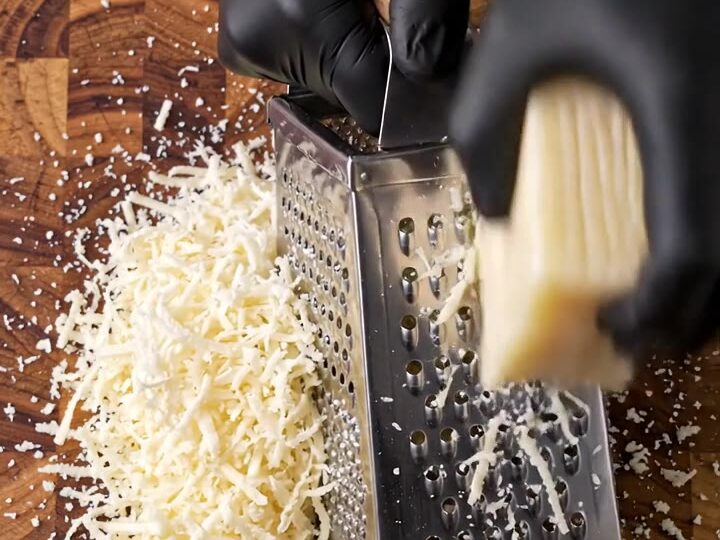
- Prepare the squash and sageHalve the butternut squash, scoop out the seeds, and peel it. Cut the flesh into small cubes about 1/2 inch wide. Mince the garlic, tear the sage sprigs into pieces, and grate the fontina on the large holes of a box grater.Look for Squash cubes are even, the grated fontina forms a fluffy pile.Tip Chill the grated cheese while you work so it melts more smoothly.
- Brown the butter with garlicMelt the butter in the 10-inch cast iron skillet over medium heat. Let it foam, then turn golden brown and smell nutty, swirling often, about 4 minutes. Add the garlic and cook 30 seconds more, then remove from the heat.Look for Butter turns amber with brown specks and a nutty aroma.Tip Watch closely: brown butter goes from golden to burnt in seconds.
- Whisk the custard baseWhisk the eggs, heavy cream, whole milk, salt, and pepper in a bowl until smooth. Pour the mixture into the brown butter in the skillet and whisk gently to combine.Look for The custard looks smooth and pale golden, with no streaks of egg.Tip Whisk in the warm butter gradually to keep the custard smooth.
The butter should have melted, foamed, and turned a deep golden amber with brown specks at the bottom of the skillet. It should smell warm and nutty, not acrid or burnt. Once you whisk in the cream, milk, eggs, salt, and pepper, the mixture should look smooth, pale golden, and glossy, with no streaks of egg white or lumps.
Check the texture by lifting the whisk: the custard should fall in thick, smooth ribbons. If the butter has browned too far or the custard looks grainy, stop and start again, because the flavor and texture of the whole dish depend on this base. Keep the heat moderate so the custard warms gently without curdling.
Squash, layers, and bake
- Cook the squash in the custardAdd the squash cubes and torn sage to the skillet. Cook over medium heat, stirring occasionally, until the squash is tender and lightly caramelized at the edges, about 12 minutes. Season with salt to taste.Look for Squash is tender when pierced and browned at the edges.Tip Stir gently so the custard thickens around the squash without curdling.
- Layer the lasagna sheetsLay a layer of lasagna sheets over the squash mixture, breaking them to fit. Scatter one third of the fontina over the top, then add another layer of sheets. Repeat with the remaining sheets and cheese, finishing with cheese, and press the pasta gently down into the sauce.Look for Pasta is covered by the custard and cheese on top.Tip Press the sheets down so each one sits in the custard.
- Bake until golden and bubblingTransfer the skillet to a 375°F (190°C) oven and bake until the top is deep golden, bubbling, and the pasta edges are crisp and ruffled, about 35 minutes. Let the lasagna rest 15 minutes before slicing.Look for Top is deep golden with bubbling edges and crisp pasta ruffles.Safe temperature 160°F (71°C) internal temperature (egg dishes)Tip Set the skillet on a baking sheet to catch any drips.
After about 12 minutes of stirring, the squash cubes should be fork-tender and lightly caramelized at the edges, and the custard should have thickened into a loose, creamy sauce around them. Layer the pasta and cheese, press the sheets gently into the sauce, and check that no dry corners of pasta are poking out. In the oven, the top should turn deep golden and bubble around the edges, while the pasta ruffles crisp. The interior should look moist and set when you lift a corner with a spoon, which shows the custard has cooked through to 160°F (71°C).
Crispy sage and final cheese
- Fry the sage leavesHeat the olive oil in a small skillet over medium-high heat. Fry the 12 whole sage leaves in a single layer until crisp, about 30 seconds per side. Drain on paper towels.Look for Leaves turn dark green and stop sizzling.Tip Fry in batches so the leaves crisp rather than steam.
- Finish and serveScatter the remaining fontina over the lasagna and top with the crispy fried sage leaves. Slice into wedges and serve warm straight from the skillet.Look for Cheese is melted and the sage leaves stay crisp on top.Tip Use a sharp knife and wipe it between cuts for clean slices.
The whole sage leaves should be fried until they turn dark green, stop sizzling, and feel brittle when they cool. Drain them on paper towels so they keep their crunch. After the remaining fontina has melted over the top, the cheese should be bubbling and golden in places. Scatter the crisp sage over the surface and let the lasagna rest for 15 minutes so the layers firm enough to slice cleanly. Before serving, the sage should still look crisp and the cheese should look glossy and set rather than wet.
Common mistakes
The most common mistake is burning the butter. Brown butter needs steady, medium heat and constant attention, because the moment the milk solids turn very dark the flavor turns bitter. Pull the skillet off the heat as soon as the butter smells nutty and shows golden specks. Another frequent error is adding the custard to very hot butter, which can scramble the eggs.
Lower the heat or move the pan off the burner for a moment before whisking in the cream and eggs. Cutting into the lasagna too early is also a problem: slice before the rest and the layers slide apart. Finally, do not skip pressing the pasta into the custard. Dry pasta corners stay chewy and leave gaps in the layers.
How to tell it’s done
The lasagna is done when the top is deep golden, the cheese bubbles around the edges, and the pasta ruffles look crisp and brown. Insert an instant-read thermometer into the center of the lasagna and check that it reads at least 160°F (71°C), the temperature that cooks the egg custard through and sets it.
The interior should look moist and creamy, not runny, and the layers should hold their shape when you lift a spoonful. If the top is golden but the center looks loose, return the skillet to the oven for 5 minutes and check again. Let it rest 15 minutes before cutting, which allows the custard to firm into clean, sliceable portions.
- Egg dishes: 160°F (71°C) in the thickest part
Up next · Part 3 of 3
4 variations · storage & make-ahead · 5 answers · printable card
Tips, FAQ & printable recipe (Part 3)← Back to the ingredients (Part 1)