Dinner · Part 3 of 3: Tips & recipe card
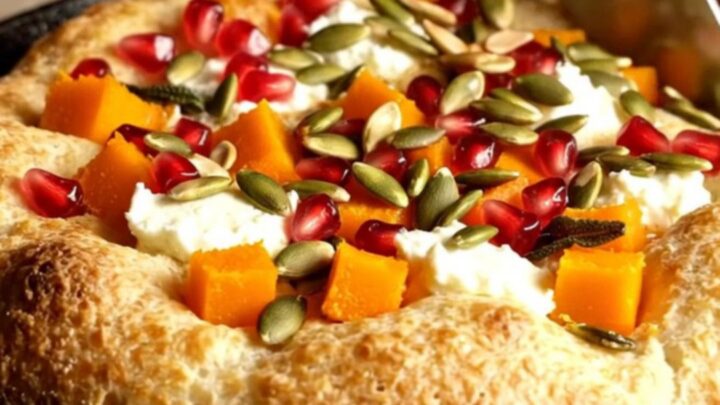
Brown Butter Sage Goat Cheese Focaccia Tips, FAQ & printable recipe
- Prep
- Cook
- Total
- Serves
- 8
Tips for success
For the best texture, use a digital scale to measure your flour. Fluff the flour, spoon it into the measuring cup, and level it off—do not scoop directly from the bag, which can pack the flour and lead to a dry dough.
If the dough feels too sticky after mixing, resist adding more flour; the wet dough is what creates the open crumb. Use a bench scraper to handle it if needed.
To achieve a deeply golden, crackly crust, bake the focaccia on the bottom rack of the oven. The direct heat from the bottom helps create a crisp base.
If you prefer an extra-crispy top, brush the baked focaccia with a little more olive oil immediately after it comes out of the oven. Let it cool for at least 10 minutes before slicing to allow the crumb to set; this prevents it from tearing.
Variations
- Caramelized Onion and Blue Cheese: Swap the goat cheese for crumbled blue cheese and add a cup of caramelized onions along with the squash. Omit the pomegranate seeds and top with fresh thyme instead of sage for a savory, robust version.
- Rosemary and Sea Salt: For a classic focaccia, skip the squash and goat cheese. Instead, dimple the dough and top with fresh rosemary sprigs, flaky sea salt, and a generous drizzle of olive oil. Bake as directed and finish with more salt.
- Fig and Prosciutto: Replace the squash with fresh fig halves and the goat cheese with crumbled Gorgonzola. After baking, drape thin slices of prosciutto over the top and finish with a drizzle of honey and toasted walnuts.
- Tomato and Mozzarella: Use cherry tomatoes and fresh mozzarella pearls instead of squash and goat cheese. Add basil leaves after baking and omit the pomegranate seeds. Drizzle with balsamic glaze for an Italian-inspired twist.
Storage and make-ahead
- Fridge
- Store leftover focaccia in an airtight container at room temperature for up to 2 days.
- Freezer
- Wrap the cooled focaccia tightly in plastic wrap and then foil. Thaw at room temperature for 1 hour, then reheat in a 350°F oven for 10 minutes until crisp.
- Reheat
- Reheat leftover focaccia in a 350°F (175°C) oven for 5 to 10 minutes. For a crispier crust, place directly on the oven rack.
Store leftover focaccia in an airtight container or wrapped tightly in foil at room temperature for up to 2 days. To refresh, warm in a 350°F (175°C) oven for 5 to 10 minutes until crisp. Avoid refrigerating, as it will dry out the bread.
The dough can be prepared up to 24 hours in advance and kept in the refrigerator. After the first rise, punch it down, cover, and refrigerate. When ready to bake, let the dough come to room temperature for about 1 hour, then proceed with shaping and topping. The baked focaccia can also be made a day ahead and reheated before serving.
Serving ideas
Serve this focaccia warm, torn into thick slices, as an appetizer with a bowl of olive oil for dipping or alongside a hearty fall soup.
The combination of sweet squash, tangy goat cheese, and nutty brown butter pairs beautifully with roasted meats or a crisp green salad. For a festive touch, add extra pomegranate seeds just before serving.
This focaccia also makes a stunning centerpiece for a holiday table. Cut it into squares or wedges and arrange on a wooden board with small bowls of extra pepitas, pomegranate seeds, and flaky salt.
It's best enjoyed the day it's baked, but leftovers are delicious toasted and topped with a fried egg or spread with soft cheese.
Frequently asked questions
Can this focaccia be made without a stand mixer?
Why does the dough stick to the pan?
Can the brown butter be made ahead of time?
Is it necessary to roast the squash before baking?
Can this recipe be doubled?
Brown Butter Sage Goat Cheese Focaccia

Ingredients
- 4 cups all-purpose flour
- 2 1/4 tsp instant yeast
- 2 tsp kosher salt
- 1 1/2 cups warm water (110°F)
- 1/4 cup olive oil, plus more for the pan
- 2 cups roasted butternut squash cubes
- 6 oz creamy goat cheese, crumbled
- 1/2 cup fresh sage leaves
- 1/2 cup brown butter
- 1/4 cup toasted pepitas
- 1/4 cup pomegranate seeds
Instructions
- In a large bowl, whisk together the flour, yeast, and salt. Add the warm water and olive oil, and stir with a wooden spoon until a shaggy dough forms. Cover the bowl with plastic wrap and let it rest for 10 minutes.
- Perform a series of stretch-and-folds: reach under one side of the dough, stretch it up and over the center, then repeat on the other three sides. Cover and let rest for 30 minutes. Repeat the folding once more, then let the dough rest for another 30 minutes.
- Cover the bowl tightly with plastic wrap and refrigerate the dough for at least 8 hours, or up to 24 hours. This slow fermentation develops flavor and makes the dough easier to handle.
- Generously coat a 9x13-inch baking pan with olive oil. Turn the dough out into the pan and gently stretch it toward the corners. If it resists, let it rest for 15 minutes and stretch again. Cover and let rise in a warm spot for 1 to 2 hours, until puffy.
- Preheat the oven to 450°F (232°C). With lightly oiled fingers, press deep dimples all over the surface of the dough, pushing almost to the bottom of the pan. The dimples will hold the toppings and create the classic focaccia texture.
- Scatter the roasted butternut squash cubes and crumbled goat cheese evenly over the dimpled dough. Tuck the fresh sage leaves into the dimples, pressing them gently so they stay in place.
- Drizzle the brown butter evenly over the top of the focaccia, letting it pool in the dimples. Place the pan in the oven and bake for 25 to 30 minutes, until the crust is deep golden brown and the cheese is blistered in spots.
- Remove the focaccia from the oven and immediately sprinkle with toasted pepitas and pomegranate seeds. Let the focaccia cool in the pan for 10 minutes, then transfer to a cutting board. Cut into thick slices and serve warm.
Estimated nutrition per serving
- Calories
- 410
- Protein
- 10 g
- Carbohydrates
- 48 g
- Fat
- 20 g
Next recipe

Golden Salted Egg Yolk Prawn Noodles
See the recipe → →This recipe is based on a short cooking video and is published under the pen name Clara Weller. It was checked before publication, but errors can slip through. Nutrition, when shown, is an estimate. Read more in our editorial policy and on our food safety page.
More recipes to try

Crispy Prosciutto Fig Pappardelle with Balsamic Glaze
Total time: 25 min
Garlic-Knot Meatball Sliders: One-Pan Cheesy Bake
Total time: 40 min
Crockpot Ranch Pork Chops and Potatoes
Total time: 6 h 10 min
Loaded Baked Potato Chicken Casserole: Cheesy Comfort
Total time: 1 h 25 min
Cheesy Taco Spaghetti Casserole: One-Pan Dinner
Total time: 1 h 5 min