Dinner · Part 3 of 3: Tips & recipe card
Breton Slow Cooker Seafood Stew Tips, FAQ & printable recipe
- Prep
- Cook
- Total
- Serves
- 4
Tips for success
To add a touch of color and brightness, you can stir in some fresh chopped herbs like parsley or chives right before serving.
The vibrant green contrast looks beautiful against the creamy white sauce and enhances the overall presentation of the dish without overpowering the delicate flavors of the seafood.
If you find the sauce is too thin after the cooking time is complete, you can gently remove the seafood with a slotted spoon and set it aside.
Then, increase the heat or whisk in a small amount of cornstarch slurry to the remaining liquid in the slow cooker to thicken it to your desired consistency.
Variations
- Spicy Seafood Twist: Add a teaspoon of red pepper flakes or a dash of cayenne pepper to the cream and cider mixture for a subtle, warming heat that complements the sweetness of the seafood.
- Herbed Breton Stew: Incorporate a tablespoon of fresh thyme leaves or a teaspoon of dried herbs de Provence when adding the vegetables to introduce a classic French aromatic profile to the dish.
Storage and make-ahead
- Fridge
- Store in an airtight container for up to 2 days.
- Freezer
- Freeze in a sealed container for up to 1 month; thaw in the refrigerator overnight.
- Reheat
- Reheat gently on the stovetop over low heat until warmed through, being careful not to boil.
Allow any leftovers to cool completely at room temperature for no more than two hours before transferring them to airtight containers.
Properly stored in the refrigerator, the stew will remain safe and flavorful for up to two days. For longer storage, the stew can be frozen, though the texture of the cream may change slightly upon thawing.
You can prepare the vegetables and portion the seafood ahead of time, storing them in the refrigerator until you are ready to assemble the stew.
However, do not combine the liquid and ingredients until just before you are ready to start the cooking process to ensure the freshest possible final result.
Serving ideas
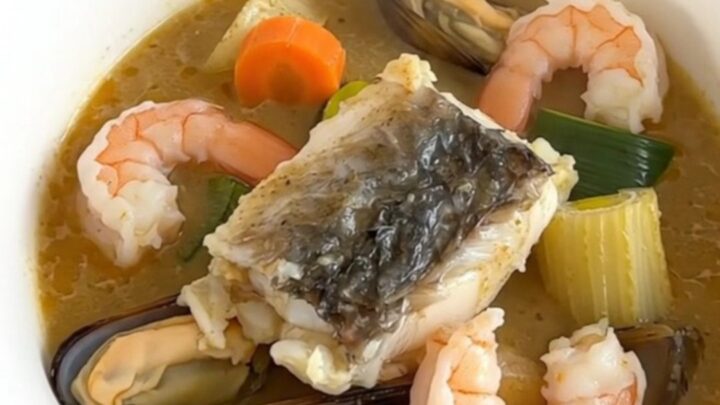
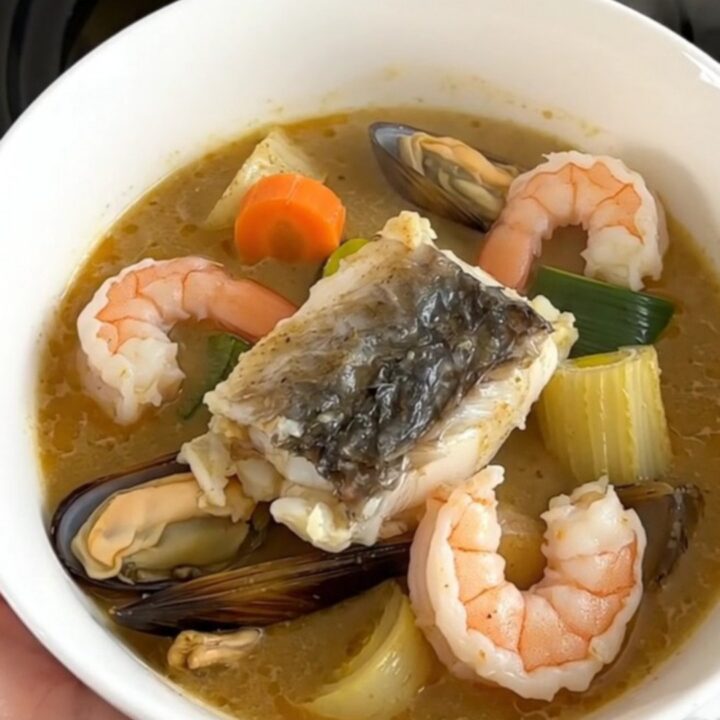
Serve this stew hot in wide, shallow bowls to showcase the beautiful colors of the seafood and vegetables. It pairs exceptionally well with a side of crusty artisan bread or a simple baguette, which is perfect for mopping up the rich, creamy sauce at the bottom of the bowl.
For a complete meal, consider serving the stew alongside a crisp green salad tossed with a light vinaigrette. The acidity of the greens provides a nice contrast to the richness of the creamy fish stew, creating a balanced dining experience that highlights the fresh, subtle flavors of the seafood.
Frequently asked questions
Can other types of seafood be used in this stew?
Is it necessary to use a fish stock cube?
Why is it important to keep the lid on the slow cooker?
Breton Slow Cooker Seafood Stew
Ingredients
- 1 lb cod fillets, cut into large chunks
- 1 lb seafood cocktail mix (shrimp, mussels, squid)
- 2 stalks leeks, thinly sliced
- 2 medium carrots, diced
- 1 cube fish stock cube
- 1/2 cup heavy cream
- 1/2 cup dry hard cider
Instructions
- Place the cod chunks and the seafood cocktail mix into the bottom of the slow cooker. Ensure they are spread out in an even layer to promote consistent cooking throughout the process.
- Scatter the sliced leeks and diced carrots over the seafood. Take the fish stock cube and crumble it evenly over the top of the vegetables to ensure the flavors distribute during the cooking cycle.
- Whisk the heavy cream and cider together in a measuring cup, then pour the mixture over the contents of the slow cooker. Cover and cook on low for 3 hours. Ensure the fish and shellfish reach 145°F (63°C) before serving.
Estimated nutrition per serving
- Calories
- 380
- Protein
- 32.5 g
- Carbohydrates
- 14 g
- Fat
- 21 g
- Fiber
- 2.5 g
- Sugar
- 6 g
- Sodium
- 750 mg
Next recipe
Slow Cooker Confit Lamb Shoulder with Bell Pepper Coulis
See the recipe → →This recipe is based on a short cooking video and is published under the pen name Clara Weller. It was checked before publication, but errors can slip through. Nutrition, when shown, is an estimate. Read more in our editorial policy and on our food safety page.
More recipes to try

Slow Cooker Butternut Squash and Chestnut Velouté
Total time: 4 h 15 min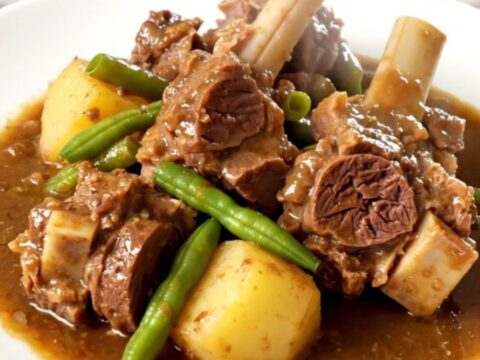
Slow Cooker Lamb Navarin with Green Beans and Potatoes
Total time: 6 h 20 min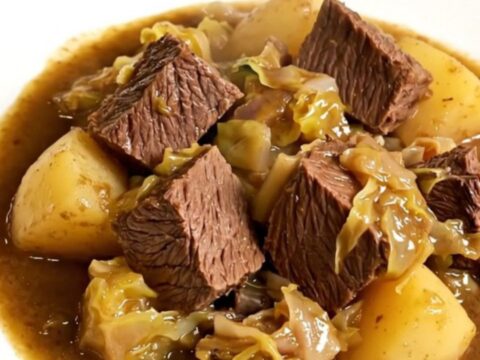
Slow Cooker Beef and Cabbage Stew for Easy Weeknight Dinners
Total time: 6 h 15 min
Slow Cooker Savoy Cabbage, Bacon, and Cantal Gratin
Total time: 4 h 15 min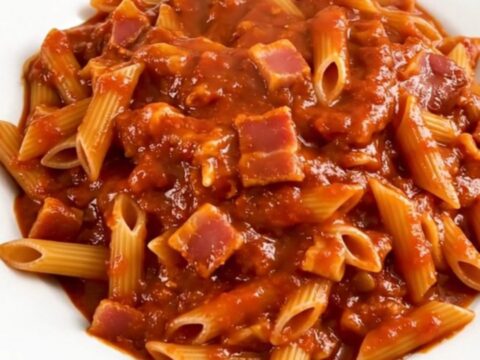
Slow Cooker Arrabbiata Bacon Pasta for Easy Dinners
Total time: 4 h 15 min