Desserts · Part 2 of 3: Instructions
Blood Orange Ricotta Almond Cake with Glossy Red Glaze Step-by-step instructions
- Prep
- Cook
- Total
- Serves
- 10
Before you start
Gather every ingredient and tool before you start, because the batter comes together quickly and the topping goes on while the cake is still warm. Heat the oven to 350°F (175°C) and set the rack in the center. Line a 9-inch springform pan with parchment paper and grease the sides lightly.
Drain the ricotta in a fine-mesh sieve for about 15 minutes so the batter stays creamy rather than heavy. Bring the eggs to room temperature so they blend smoothly into the mixture. Melt the butter and let it cool slightly. Zest the blood oranges before you juice them, and slice the remaining fruit into thin rounds. Toast the almonds in advance if you want the topping ready to scatter.
Ingredients at a glance (16)
- 3 blood oranges, sliced into thin rounds
- 1/2 cup whole almonds
- 2 sprigs fresh rosemary
- 1/4 cup firm hard cheese, finely grated (such as Pecorino Romano)
- 1 1/4 cups all-purpose flour
- 2 tsp baking powder
- 3/4 cup granulated sugar
- 3 large eggs, at room temperature
- 1 1/2 cups whole-milk ricotta, drained
- 6 tbsp unsalted butter, melted and cooled
- 1 tbsp blood orange zest
- 1/2 tsp almond extract
- 1/3 cup apricot jam
- 2 tbsp blood orange juice
- 1/4 cup sliced almonds, toasted
- 1/4 tsp fine salt
Instructions
Batter and base layer
- Prepare the topping and panHeat the oven to 350°F (175°C). Line the bottom of a 9-inch springform pan with parchment paper and grease the sides. Slice the blood oranges into thin rounds, reserve the best slices for the top, and set the whole almonds and rosemary sprigs beside the board.Look for The pan is lined, the oven is hot, and the orange rounds are thin and even.Tip Pat the orange slices dry so the glaze and almonds stick better later.
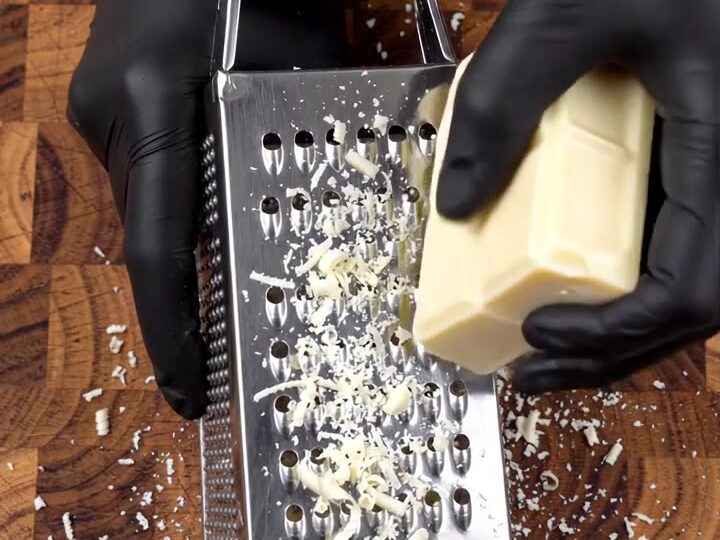
- Grate the cheese and mix the batterGrate the firm hard cheese on the fine side of a stainless steel box grater until you have a fine pile of shreds. In a large bowl, whisk the flour, baking powder, salt and grated cheese. In another bowl, beat the sugar, eggs, drained ricotta, melted butter, zest and almond extract until smooth.Look for The batter is smooth, pale and thick enough to hold a ribbon on the spatula.Tip Drain the ricotta for 15 minutes in a sieve so the batter does not turn heavy.
The batter should look smooth, pale and evenly blended, with no streaks of flour or pockets of ricotta. When you lift the spatula, the batter should fall in a thick, slow ribbon. Smell the batter: it should carry a clear note of orange zest and almond extract. Before you pour it into the pan, check that the cheese shreds are fully mixed in so they do not clump in the bake.
Spread the first half evenly, then top with the rest so the layers bake as one cake without air pockets. Tap the pan gently on the counter to level the surface before it goes into the oven, and make sure the batter reaches the edges of the parchment-lined base.
Cool, top and garnish
- Bake the base layerFold the dry ingredients into the ricotta mixture until just combined. Spread about half of the batter evenly in the prepared pan, then arrange the remaining batter on top in a smooth layer. Bake for 45 to 50 minutes, until the top is golden and a toothpick comes out clean.Look for The top is golden, the edges pull away slightly, and the center is set.Safe temperature 160°F (71°C) internal temperature (egg dishes)Tip Rotate the pan halfway through baking for an even golden top.
- Cool and spread the ricotta topLet the cake cool in the pan for 20 minutes, then release the sides. Spread a smooth, pale layer of drained ricotta mixed with a little sugar across the surface. Arrange the thin blood orange slices around the outer edge of the cake.Look for The surface is level and the cream layer looks smooth and even.Tip Work the cream gently so the surface stays smooth and does not tear.
- Toast and scatter the almondsToast the whole almonds in a dry pan over medium heat for 4 to 5 minutes, stirring often, until fragrant. Chop them coarsely, then scatter the toasted sliced almonds over the creamy top of the cake.Look for The almonds smell nutty and show light golden spots.Tip Watch the almonds closely at the end, since they darken quickly.
The cake should be golden on top, pulling slightly from the sides, and a toothpick inserted in the center should come out clean. Let it cool in the pan for about 20 minutes before you release the springform sides, so the crumb firms enough to hold the cream and the orange slices. Once cooled, the top should look even and set.
Spread the ricotta cream in a smooth layer and check that it reaches the edge without tearing the surface. Arrange the thin orange rounds around the outer edge so they stay neat when you slice. Confirm that the cake is fully cool before glazing, because warm cake will soften the cream and melt the glaze unevenly.
Glaze and final finish
- Make the glossy red glazeWarm the apricot jam with the blood orange juice in a small saucepan over low heat, stirring until smooth. Strain the glaze through a fine-mesh sieve. Remove the cake from the pan and brush or pour the glaze over the top so it drips down the sides.Look for The glaze is smooth, glossy and deep red, and it coats the back of a spoon.Tip Keep the glaze warm so it spreads easily but does not run off too fast.
- Finish and serve the cakeSprinkle the remaining toasted almonds on top of the glazed cake and add the rosemary sprigs for garnish. Let the glaze set for 15 minutes, then lift the cake onto a serving plate. Slice it with a sharp knife and serve with a cake server.Look for The glaze has set glossy and the almonds stay in place when the cake is moved.Tip Wipe the knife between slices for clean, neat servings.
The glaze should look smooth, glossy and deep red, and it should coat the back of a spoon in an even layer. Test a drop on a plate: it should spread slowly and hold its shine as it cools. Scatter the toasted almonds while the glaze is still tacky so they stick to the surface. Let the glaze set for about 15 minutes at room temperature before lifting the cake onto a serving plate. The almonds should stay in place and the drips should run evenly down the sides without pooling at the base. Slice with a sharp knife, wiping the blade between cuts for clean, neat pieces.
Common mistakes
The most common mistake is adding warm glaze to a cake that has not cooled, which makes the cream layer soften and the glaze slide off unevenly. Another frequent problem is overmixing the batter after adding the dry ingredients, which develops gluten and makes the crumb tough rather than tender. Undrained ricotta also causes trouble, since the excess moisture makes the cake dense and can leave a gummy layer at the base.
Skipping the parchment lining often leads to the bottom sticking when you release the sides. Finally, do not leave the almonds untoasted or overtoasted: pale almonds taste flat, while burnt ones turn bitter and dark. Keep an eye on each step, and the finished cake will look as bright and clean as it should.
How to tell it’s done
The cake is done when the top is evenly golden, the edges pull slightly away from the pan, and a toothpick inserted into the center comes out clean or with only a few moist crumbs. The center should feel springy and firm to a light touch. Because this cake contains eggs, the center should reach 160°F (71°C) on an instant-read thermometer, which means the eggs are cooked through and the cake is safe to serve. Let the cake cool completely before the cream and glaze go on, so the topping sets neatly and the slices hold their shape when cut.
- Egg dishes: 160°F (71°C) in the thickest part
Up next · Part 3 of 3
4 variations · storage & make-ahead · 5 answers · printable card
Tips, FAQ & printable recipe (Part 3)← Back to the ingredients (Part 1)