Dinner · Part 1 of 3: Ingredients
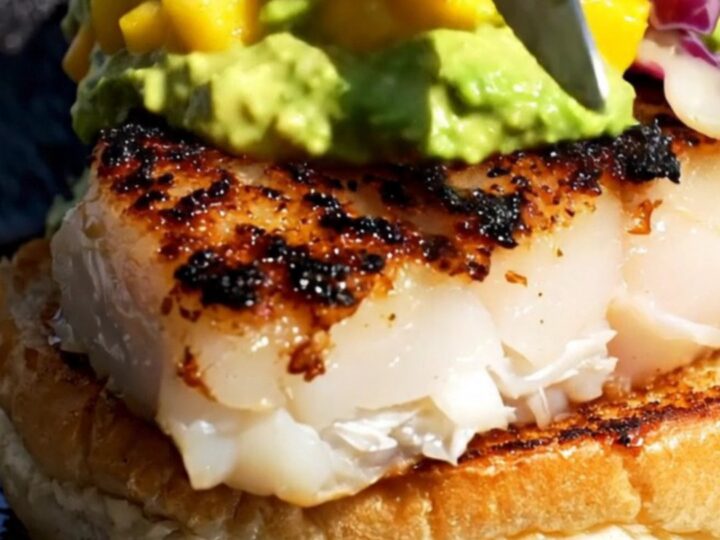
Blackened Mahi-Mahi Sandwiches with Avocado Crema
- Prep
- Cook
- Total
- Serves
- 4
Bring the vibrant flavors of a coastal kitchen into your home with this blackened mahi-mahi sandwich. This recipe balances bold, spicy seasonings with the refreshing creaminess of avocado and the sweet, tangy crunch of mango slaw.
It is an impressive, restaurant-level meal that comes together in mere minutes, making it perfect for busy weeknights or relaxed weekend lunches. Discover how simple it is to achieve that perfect charred crust on your fish while keeping the center succulent and tender every time you cook.
Creating a professional-grade fish sandwich at home requires just a few key techniques. The secret lies in the combination of a high-heat sear and a bold spice rub. By using a cast-iron skillet, you can lock in the moisture of the mahi-mahi while creating a flavorful, charred exterior that defines a true blackened dish.
Paired with a smooth, lime-infused avocado crema and a crisp mango cabbage slaw, this sandwich offers a complex profile of flavors and textures that will satisfy any seafood lover. Follow this guide to master the art of the blackened fish sandwich.
Ingredients
Fish
- 4 fillets 6-ounce mahi-mahi fillets
Seasoning and Coating
- 3 tbsp melted butter
- 1.5 tbsp smoked paprika, cayenne, thyme, garlic, and oregano blend
Avocado Crema
- 1 whole avocado
- 1 lime, juiced
- 1/2 cup sour cream
Assembly
- 4 brioche buns, toasted
- 2 cups mango cabbage slaw, prepared
Why this recipe works
The method of using a smoking-hot cast-iron skillet is essential for achieving the signature blackened crust. When the seasoned fish hits the preheated iron, the spices toast rapidly, creating a deep, smoky flavor profile that permeates the surface of the fillet. This high-heat approach seals the fish quickly, ensuring that the interior remains moist and flaky rather than drying out during the cooking process.
The choice of accompaniments, specifically the avocado crema and mango slaw, serves a vital purpose in balancing the intensity of the blackened spices.
The richness of the avocado and sour cream provides a cooling effect that mellows the heat of the cayenne and paprika, while the acidity from the lime and the sweetness of the mango add brightness. This contrast creates a well-rounded bite that is both satisfying and refreshing.
Notes and substitutions
For the best results, use fresh mahi-mahi fillets that are uniform in thickness to ensure even cooking. If you cannot find mahi-mahi, any firm white fish, such as cod or snapper, will work well as a substitute. Ensure the spice blend is applied thoroughly to all sides of the fillet for maximum flavor coverage. If you prefer more heat, feel free to increase the amount of cayenne pepper in the rub.
A cast-iron skillet is the preferred tool because of its superior heat retention, which is necessary to maintain the high temperatures required for blackening.
If you do not have a cast-iron skillet, a heavy-bottomed stainless steel pan can be used, though you may need to adjust the heat slightly to ensure the pan stays hot enough. Always use a high-smoke-point oil or butter when searing to prevent the butter from burning before the fish is cooked through.
- Mahi-mahi: Any firm white fish like cod, halibut, or snapper
- Sour cream: Greek yogurt for a slightly tangier flavor
Equipment
- Cast-iron skillet
- Small blender or food processor
- Mixing bowl
- Tongs
- Pastry brush
Up next · Part 2 of 3
3 steps · 5 min of cooking · what to look for at each stage
Step-by-step instructions (Part 2)