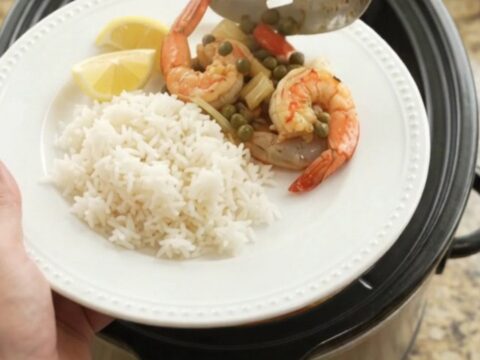
Dinner · Part 3 of 3: Tips & recipe card
Bayou Butter Snow Crab and Shrimp Crockpot Tips, FAQ & printable recipe
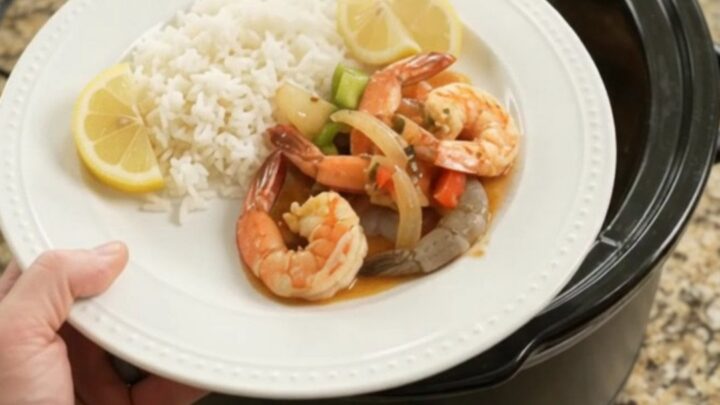
- Prep
- Cook
- Total
- Serves
- 6
Tips for success
For the best flavor, use a good-quality Cajun seasoning that includes paprika, garlic, onion, and cayenne. If you have time, make the Cajun butter from scratch by melting butter and whisking in the spices, along with minced garlic and a squeeze of lemon.
This allows you to control the heat and salt level. The butter can be made ahead and refrigerated, then melted just before using.
To prevent the shrimp from overcooking, you can add them halfway through the cooking time if you prefer a firmer texture. However, the recipe as written cooks them gently for the full time, which yields tender results.
If using extra-large shrimp, they may need a few extra minutes, so check for doneness and adjust accordingly. Always use a thermometer to ensure the seafood reaches the safe internal temperature.
Variations
- Add Andouille Sausage: For a heartier meal, slice 8 ounces of andouille sausage and layer it with the seafood. The smoky flavor of the sausage pairs well with the Cajun butter and adds a meaty element to the dish.
- Use Different Seafood: Substitute the snow crab with king crab legs or Dungeness crab, or add mussels and clams. Adjust the cooking time for shellfish that cook faster, such as mussels, which only need about 10 minutes at the end.
- Make It Spicier: Increase the amount of Cajun seasoning in the butter, or add a teaspoon of hot sauce and a pinch of cayenne pepper. For a smoky heat, use chipotle powder or smoked paprika in addition to the regular paprika.
- Vegetable Boost: Add corn on the cob cut into chunks and baby potatoes to the slow cooker along with the other vegetables. These will absorb the butter sauce and become tender, making the dish more substantial and colorful.
Storage and make-ahead
- Fridge
- Store leftovers in an airtight container in the refrigerator for up to 3 days.
- Freezer
- Freeze in a freezer-safe container for up to 2 months. Thaw overnight in the refrigerator before reheating.
- Reheat
- Reheat gently in a covered skillet over low heat, adding a splash of water or broth to loosen the sauce. Avoid boiling, as it can toughen the shrimp.
Store any leftovers in an airtight container in the refrigerator for up to 3 days. The seafood and sauce can be reheated gently in a skillet or microwave. The flavors will continue to meld, making the leftovers even more delicious. Reheat only the amount you plan to eat, as repeated reheating can toughen the shrimp.
The Cajun butter can be prepared up to 3 days ahead and kept in the refrigerator. The vegetables can be diced and stored in a sealed container for up to 2 days. The seafood should be added fresh on the day of cooking.
The entire dish can be assembled in the slow cooker insert and refrigerated overnight, then placed in the cooker and cooked as directed the next day. Add 30 minutes to the cooking time if starting from cold.
Serving ideas
Serve the seafood boil over steamed jasmine rice, which soaks up the rich butter sauce. The rice provides a neutral base that lets the Cajun flavors shine. For a low-carb option, serve over cauliflower rice or simply on its own with crusty bread to mop up the sauce. The lemon wedges are essential for brightening the dish and cutting through the richness.
This dish is perfect for a casual dinner party or a family meal. Set the slow cooker on the table and let guests serve themselves, family-style. Provide extra napkins, as the seafood is meant to be enjoyed with your hands.
A side of coleslaw or a simple green salad would complement the richness. For a festive touch, garnish with chopped parsley or green onions before serving.
Frequently asked questions
Can this recipe be made with frozen shrimp?
How long can the seafood cook on low?
Can the Cajun butter be made without dairy?
Why is the sauce thin?
Can this be cooked on high instead of low?
Bayou Butter Snow Crab and Shrimp Crockpot
Ingredients
- 2 lb snow crab clusters, thawed if frozen
- 2 lb raw jumbo shrimp, peeled and deveined
- 1 red bell pepper, diced
- 1 green bell pepper, diced
- 1 large Vidalia onion, diced
- 2 stalks celery, cut into ribbons
- 1 cup Cajun garlic-paprika butter, melted
- 1/4 cup fresh lemon juice
- steamed jasmine rice, for serving
- lemon wedges, for serving
Instructions
- Place the snow crab clusters in the bottom of a 6-quart slow cooker. Add the jumbo shrimp on top, then scatter the diced red and green bell peppers, Vidalia onion, and celery ribbons evenly over the seafood.
- In a small saucepan, melt the Cajun garlic-paprika butter over low heat until it is fully liquid. Pour the melted butter and the fresh lemon juice evenly over the seafood and vegetables in the slow cooker.
- Cover the slow cooker with the lid. Cook on low for 4 hours, or until the shrimp are opaque and the crab is heated through. Do not lift the lid during the first 3 hours to maintain heat.
- After 4 hours, carefully remove the lid. Check that the shrimp are pink and opaque throughout, and the crab meat is hot. The internal temperature of the shrimp should read at least 145°F (63°C) on an instant-read thermometer.
- Using a slotted spoon, gently stir the seafood and vegetables in the sauce to coat everything evenly. Be careful not to break the crab clusters.
- Turn the slow cooker to warm and let the dish sit for 10 minutes. This allows the flavors to meld and the sauce to thicken slightly.
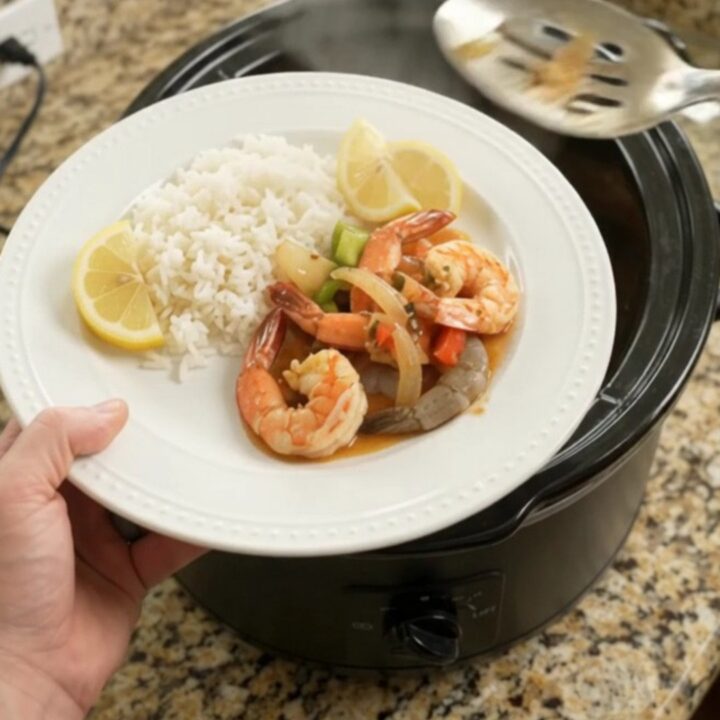
- Spoon steamed jasmine rice onto serving plates. Using a slotted spoon, lift the crab clusters, shrimp, and vegetables from the slow cooker and place them over the rice. Drizzle with extra sauce from the slow cooker.
- Place lemon wedges on the side of each plate for squeezing over the seafood. Serve immediately while hot.
Estimated nutrition per serving
- Calories
- 480
- Protein
- 45 g
- Carbohydrates
- 20 g
- Fat
- 25 g
Next recipe
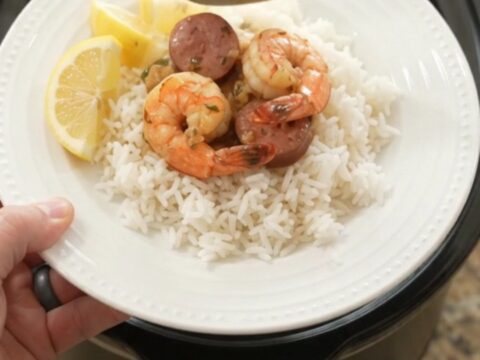
Slow-Cooker Chili Lime Seafood Boil
See the recipe → →This recipe is based on a short cooking video and is published under the pen name Clara Weller. It was checked before publication, but errors can slip through. Nutrition, when shown, is an estimate. Read more in our editorial policy and on our food safety page.
More recipes to try
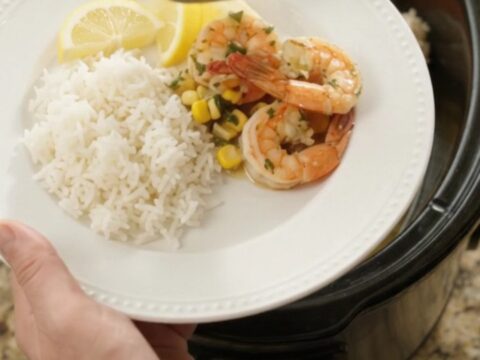
Herb Butter Garlic Corn Snow Crab Crockpot Seafood Boil
Total time: 3 h 10 min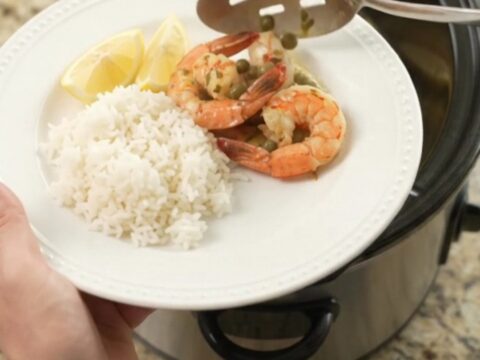
Slow Cooker Chili Lime Snow Crab and Shrimp
Total time: 4 h 15 min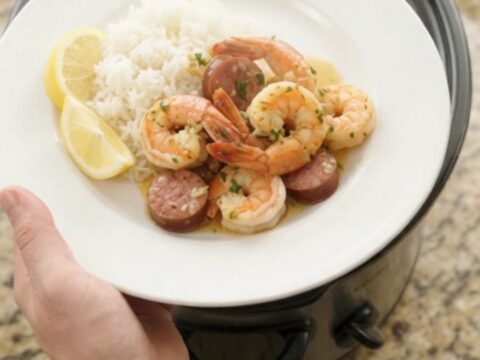
Old Bay Butter Andouille Boil Snow Crab
Total time: 3 h 15 min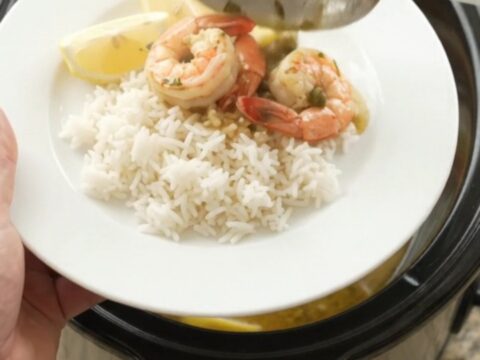
Herb Butter Lemon Capers Snow Crab: 10-Minute Prep Crockpot Seafood
Total time: 4 h 10 min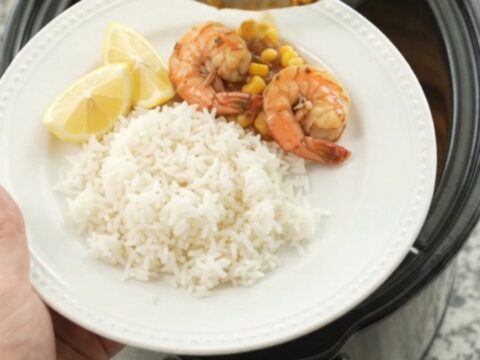
Bayou Butter Garlic Corn Snow Crab: One-Pot Slow Cooker Seafood
Total time: 3 h 15 min