Dinner · Part 1 of 3: Ingredients
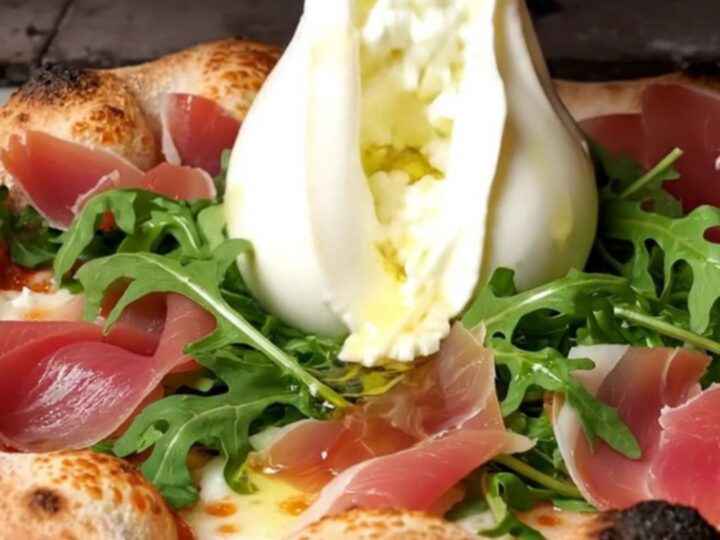
Authentic Wood-Fired Neapolitan Burrata Pizza
- Prep
- Cook
- Total
- Serves
- 1
Achieving the perfect Neapolitan pizza at home requires high heat and high-quality ingredients. This recipe focuses on the classic combination of blistered dough, tangy tomato sauce, and the luxurious, creamy texture of fresh burrata.
By following traditional techniques, one can recreate the signature leopard-spotted crust and authentic flavor profile associated with the best pizzerias in Naples. This method is designed to provide a professional-grade result using a standard high-heat setup, ensuring every slice is as satisfying as a visit to a traditional Italian pizzeria.
This artisan pizza recipe brings the authentic taste of Italy to the home kitchen. By utilizing a cold-fermented dough, the crust develops complex flavors and the perfect airy structure needed for a quick, high-heat bake.
Topped with crushed San Marzano tomatoes and finished with creamy burrata, prosciutto, and fresh arugula, this dish is a celebration of simple, high-quality ingredients. Whether hosting a small dinner or craving a gourmet meal, this Neapolitan-inspired pizza provides a reliable and impressive result for any occasion. Follow these steps to master the art of the wood-fired style pizza.
Ingredients
Dough and Base
- 280 g cold-fermented pizza dough
- 1/2 cup crushed San Marzano tomatoes
Toppings
- 1 ball fresh burrata cheese
- 2 oz Parma prosciutto, thinly sliced
- 1 handful baby arugula
- 1 tbsp extra virgin olive oil
Why this recipe works
The cold-fermentation process is critical for developing the deep, yeasty flavor profile and the characteristic airy pockets in the crust. By allowing the dough to mature slowly in the refrigerator, the enzymes break down complex starches into simpler sugars, which caramelize beautifully under high heat. This results in the iconic leopard-spotted char that is the hallmark of a true Neapolitan pizza, providing a complex, savory base that supports the delicate toppings without becoming soggy or overly dense.
High-heat baking is essential for achieving the rapid puffing of the crust while keeping the interior tender. The intense temperature causes the water in the dough to turn into steam instantly, creating an open, airy crumb structure. This rapid cooking time ensures the tomatoes maintain their bright, fresh acidity, providing a perfect contrast to the rich, creamy burrata and the salty, cured prosciutto. The final addition of fresh greens adds a necessary textural crunch and brightness that elevates the overall experience of the dish.
Notes and substitutions
Selecting the right flour is paramount; use a '00' flour if possible, as it provides the necessary strength to hold the air bubbles during the long fermentation. If '00' flour is unavailable, bread flour serves as a suitable substitute, though the crust texture may be slightly chewier.
The hydration level of the dough should be carefully managed during the stretching process to ensure the edges remain puffy. Always handle the dough gently with floured hands to avoid pressing out the gases accumulated during fermentation.
Equipment choice significantly impacts the final quality of the pizza. A pizza stone or steel is necessary to replicate the thermal mass of a wood-fired oven floor. Ensure the stone is placed in the upper third of the oven and preheated for at least 60 minutes to reach maximum temperature.
If the oven does not reach the required heat, consider using the broiler to finish the top of the pizza, but monitor it closely to prevent burning. Use a long-handled pizza peel for safe transfer, dusting it lightly with semolina or flour to prevent sticking.
- San Marzano tomatoes: Any high-quality canned crushed plum tomatoes
- Burrata: Fresh mozzarella di bufala
Equipment
- Pizza peel
- Pizza stone or steel
- High-heat oven
- Pizza cutter
Up next · Part 2 of 3
3 steps · 2 min of cooking · what to look for at each stage
Step-by-step instructions (Part 2)