Dinner · Part 1 of 3: Ingredients
Authentic Greek Pastitsio with Creamy Béchamel Crust
- Prep
- Cook
- Total
- Serves
- 8
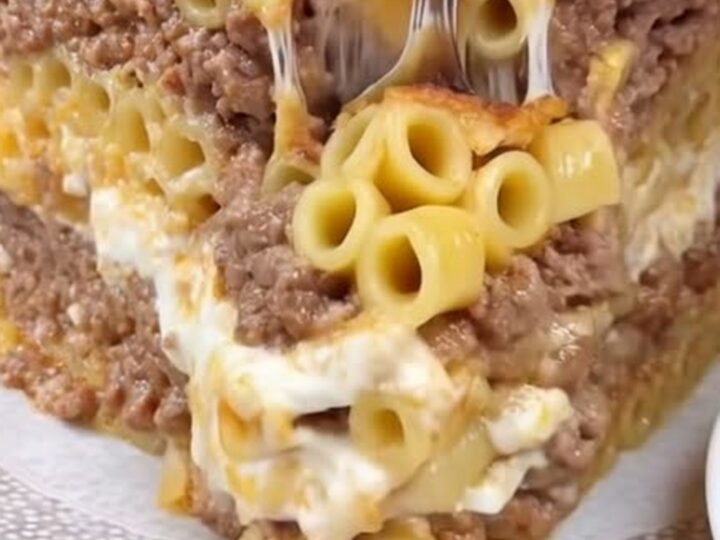
Experience the ultimate comfort food with this authentic Greek pastitsio. Layers of tender tubular pasta, savory meat in rich tomato sauce, and a thick, velvety blanket of golden-browned béchamel bake together into a towering, magnificent casserole.
It is the perfect centerpiece for Sunday dinners, family gatherings, or any occasion that calls for a truly satisfying, crowd-pleasing meal.
Pastitsio is a classic Mediterranean casserole that brings warmth and rich flavor to any table. Instead of flat noodles, it features hollow pasta tubes that hold up beautifully under the weight of the savory meat and creamy sauce.
The meat filling is simmered in a rich tomato sauce, creating an incredible depth of flavor. Topped with a velvety béchamel and a generous layer of cheese, this dish bakes to bubbly, golden perfection. Every single slice showcases beautiful, distinct layers that look as spectacular as they taste.
Ingredients
Pasta Layer
- 1 lb tubular pasta
Meat Sauce
- 1 1/2 lb ground beef
- 2 cups tomato sauce
Béchamel Sauce
- 3 cups béchamel sauce, store-bought or made ahead
Topping
- 1 1/2 cups grated cheese
Why this recipe works
Using tubular pasta is the secret to achieving clean, towering slices. When the pastitsio bakes, the hollow pasta tubes compress slightly and bind with the surrounding ingredients, locking the layers into a stable structure.
This prevents the bottom layer from collapsing or scattering when cut, ensuring that each portion maintains its beautiful architectural definition on the plate. Cooking the pasta just under al dente also prevents it from becoming mushy during the baking process, keeping the texture perfectly satisfying.
Simmering the ground beef with the tomato sauce over medium-low heat allows the flavors to meld beautifully while reducing excess moisture. A thick, concentrated meat sauce is essential because any leftover liquid will seep into the pasta layer, making the bottom soggy and causing the layers to slide apart.
The rich sauce clings tightly to the meat, delivering that signature, authentic flavor profile while providing a sturdy middle layer that supports the heavy béchamel topping.
Notes and substitutions
For the best results, choose a high-quality tubular pasta like penne, rigatoni, or traditional Greek bucatini. The hollow shape is essential because it traps the rich meat sauce and creamy béchamel, ensuring every bite is perfectly balanced. When selecting the cheese, a sharp, meltable variety works best to create that signature bubbling golden crust on top of the casserole.
Using a prepared, thick béchamel sauce saves significant time while maintaining the authentic, velvety texture of the dish. If making it ahead, ensure it is warmed slightly so it spreads smoothly over the meat layer. Letting the finished pastitsio rest for at least thirty minutes after baking is crucial, as this allows the layers to firm up and ensures clean, beautiful slices.
- Greek No. 2 Pasta: Bucatini, penne, or rigatoni work perfectly as easy-to-find alternatives.
- Kefalotyri Cheese: Parmesan, Pecorino Romano, or any sharp white cheese provides a similar savory depth.
Equipment
- 9x13-inch baking dish
- Large pot
- Large skillet
- Colander
- Instant-read thermometer
Up next · Part 2 of 3
6 steps · 55 min of cooking · what to look for at each stage
Step-by-step instructions (Part 2)