Dinner · Part 1 of 3: Ingredients
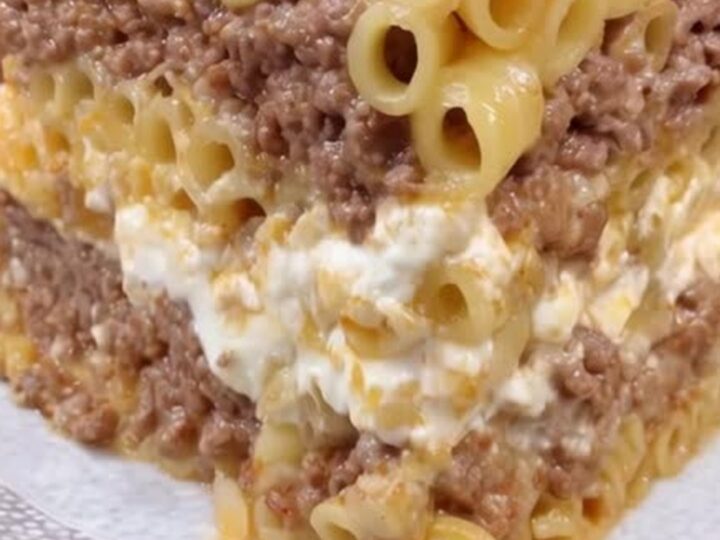
Authentic Greek Pastitsio with Creamy Béchamel and Spiced Beef
- Prep
- Cook
- Total
- Serves
- 9
Bring the rich, comforting flavors of a Greek taverna straight to your dining table with this spectacular pastitsio. This classic baked pasta dish features distinct, luxurious layers: tender tubular pasta, a deeply savory, spiced ground beef sauce, and a thick, velvety blanket of golden-brown béchamel sauce.
Every single bite offers a perfect contrast of textures and warm, aromatic spices that make this dish an unforgettable comfort food experience.
Pastitsio is often described as the Greek version of lasagna, but it possesses a unique character all its own. The defining feature is the hint of warm spices in the meat sauce, combined with an exceptionally thick and creamy béchamel topping that bakes into a custard-like layer.
While it requires a bit of effort to prepare the individual components, the assembly is straightforward, and the result is a stunning, sliceable masterpiece that easily feeds a crowd. It is ideal for Sunday dinners, holiday gatherings, or any occasion that calls for a hearty, warming meal.
Ingredients
- 1 lb tubular pasta
- 1 1/2 lbs ground beef
- 1 tbsp spices
- 3 cups béchamel sauce
- 1 cup cheese, grated
Why this recipe works
The success of this pastitsio lies in the structural integrity of its layers, which is achieved through specific culinary techniques. Layering the ingredients carefully ensures that the bottom pasta layer binds together during baking.
This prevents the pasta from scattering when sliced, allowing the beautiful, distinct layers to remain perfectly intact on the plate. Pre-warming the béchamel ensures a silky-smooth texture, while cooking the ground beef thoroughly establishes a solid foundation for the dish.
Simmering the ground beef with spices creates a concentrated, deeply savory sauce that is thick enough to sit securely between the pasta and the béchamel.
Reducing the liquid in the meat sauce is crucial; a watery sauce would seep into the pasta layer, making the bottom of the dish soggy and causing the layers to collapse. The addition of warm spices provides that signature Greek flavor profile, balancing the richness of the beef and the creamy béchamel topping.
Notes and substitutions
For the most authentic texture, seek out Greek pastitsio pasta, which is long, thick, and tubular. If that is unavailable, bucatini or penne make excellent substitutes, as they still capture the creamy béchamel within their hollow centers. A high-quality hard, salty cheese like Pecorino Romano or Parmesan can be used to provide a similar salty, nutty bite to the traditional Greek cheeses, melting beautifully into a golden crust.
When preparing the dish, ensure the béchamel is warmed gently before assembling. Cold sauce will not spread evenly, resulting in a lumpy layer. Use a heavy-bottomed saucepan to prevent scorching, and stir continuously. A thick, velvety béchamel is essential for creating the distinct top layer that bakes into a beautiful, golden-brown crust, providing a wonderful contrast to the savory beef and pasta below.
- tubular pasta: bucatini or penne pasta
- cheese: Pecorino Romano or high-quality Parmesan cheese
Equipment
- baking dish
- large pot
- large skillet
- saucepan
- spatula
- colander
- instant-read thermometer
Up next · Part 2 of 3
5 steps · 50 min of cooking · what to look for at each stage
Step-by-step instructions (Part 2)