Dinner · Part 2 of 3: Instructions
Cacio e Pepe in 8 Minutes: Silky Roman Pasta Step-by-step instructions
- Prep
- Cook
- Total
- Serves
- 2
Before you start
Before starting, bring a large pot of salted water to a rolling boil. Have all ingredients measured and ready: 12 ounces of fresh tonnarelli, 2 tablespoons of coarsely crushed Sarawak peppercorns, 120 grams of micro-grated Pecorino Romano, and a small bowl for the reserved pasta water. Set a dry stainless skillet on the stove.
The entire cooking process takes about 8 minutes, so there is no time for scrambling. Make sure your microplane is clean and dry for grating the cheese. If using fresh pasta, it will cook quickly — keep an eye on it. The pasta water is your secret weapon, so do not drain it without reserving a generous cup.
Ingredients at a glance (5)
- 12 oz fresh tonnarelli pasta
- 2 tbsp Sarawak black peppercorns, coarsely crushed
- 120 g Pecorino Romano, micro-grated
- 120 ml starchy pasta water
- 1 tsp cold-pressed olive oil, for drizzling
Instructions
Toast and Cook
- Toast the PepperBring a large pot of salted water to a boil. Meanwhile, place a dry stainless skillet over medium heat. Add the coarsely crushed Sarawak peppercorns and toast, shaking the pan occasionally, until fragrant and slightly darker, about 2 minutes. Remove from heat and set aside.Look for The pepper becomes aromatic and starts to smoke lightly.Tip Do not let the pepper burn; it turns bitter. Keep it moving.
- Cook the PastaAdd the fresh tonnarelli to the boiling water and cook until al dente, about 3 to 4 minutes. Reserve 120 ml (1/2 cup) of the starchy pasta water before draining. Drain the pasta, but do not rinse it.Look for The pasta is tender but still has a slight bite in the center.Tip Reserve more pasta water than needed; you can always add a splash if the sauce is too thick.
The peppercorns are fragrant and slightly darkened, and the pasta is al dente in the pot. The kitchen smells warm and peppery. The pasta water is reserved, and the drained pasta is ready. The skillet is set aside with the toasted pepper.
Emulsion and Toss
- Make the EmulsionReturn the skillet with the toasted pepper to medium-low heat. Ladle in the reserved starchy pasta water and bring to a gentle simmer. Whisk in the micro-grated Pecorino Romano, a handful at a time, stirring constantly until the cheese melts into a velvety, speckled emulsion.Look for The sauce is smooth and coats the back of a spoon.Tip Keep the heat low; high heat can cause the cheese to clump.
- Toss the PastaAdd the drained tonnarelli to the skillet. Increase the heat to medium and toss vigorously for 1 to 2 minutes, using tongs or a pasta fork, until every strand is coated in the glossy, creamy sauce. The sauce should cling to the pasta, not pool at the bottom.Look for The pasta strands shine and the sauce thickens to a silky coating.Tip If the sauce is too thick, add a splash of pasta water. If too thin, toss a little longer.
The sauce is smooth and velvety, with no clumps of cheese. The pasta is glossy and every strand is coated. The sauce clings to the pasta, and the pan is nearly dry, with just a thin layer of sauce at the bottom. The texture is creamy, not watery.
Plate and Finish
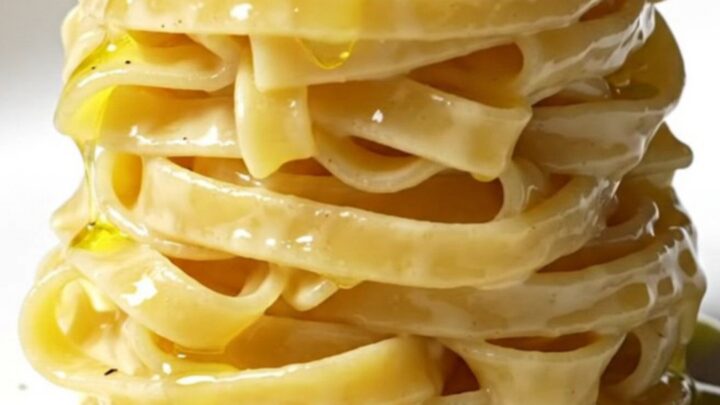
- Plate and FinishTwirl a tight nest of pasta onto each plate. Finish with a generous crack of black pepper and a drizzle of cold-pressed olive oil. Serve immediately.Look for The pasta is glossy, with visible specks of pepper and a light sheen of oil.Tip Twirl the pasta with a fork against the side of the pan for a neat nest.
The twirled nests are tall and neat, finished with a crack of pepper and a drizzle of olive oil. The aroma is intensely peppery and cheesy. The plates are ready to serve immediately, with no waiting.
Common mistakes
The most common mistake is overheating the cheese, which causes it to clump into an unappetizing, stringy mess. Keep the heat low when adding the Pecorino, and stir constantly. Another pitfall is under-toasting the pepper: if it is not fragrant, it will taste raw and harsh.
Toast it over medium heat until it releases its aroma, about 2 minutes. Using too little pasta water is also a problem — the starch is essential for creating a smooth emulsion. Reserve at least 120 milliliters (1/2 cup) and add more if needed. Finally, do not rinse the pasta after draining; the surface starch helps the sauce adhere.
How to tell it’s done
The dish is done when the pasta is glossy and each strand is coated in a creamy, speckled sauce that clings rather than pools. The sauce should be thick enough to coat the back of a spoon, but loose enough to flow slowly. When you twirl a forkful, the pasta should hold its shape without dripping.
The pepper should be visible as dark specks, and the aroma should be intensely peppery and cheesy. Since there is no protein, the only temperature check is visual and textural.
If the sauce seems thin, toss the pasta over medium heat for another 30 seconds to reduce and thicken. If it is too thick, add a splash of reserved pasta water.
Up next · Part 3 of 3
4 variations · storage & make-ahead · 5 answers · printable card
Tips, FAQ & printable recipe (Part 3)← Back to the ingredients (Part 1)