Appetizers
Whole30 Breakfast Casserole: A Hearty, Healthy Start to Your Day
Please note: this recipe comes from an earlier version of this site, before our current process, and has not been through our automatic checks. Its first-person passages, which do not describe real events, are hidden whenever they can be detected automatically; some old wording may remain. How we make recipes today
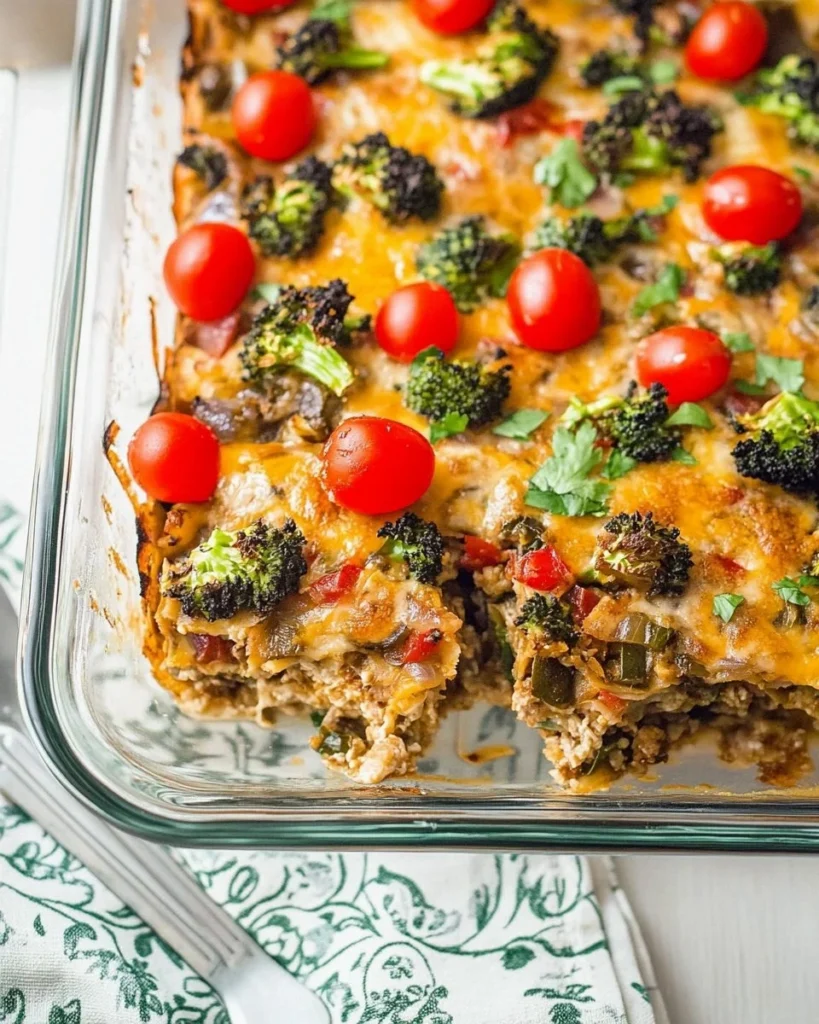
What Makes This Version Stand Out
- Dump-and-pray? Not here: You’ll spend fifteen mindful minutes building flavor—caramelizing onions until they look like mahogany ribbons, roasting sweet potatoes until their edges blister like beach bums. After that, the oven does the heavy lifting while you binge your latest Netflix obsession.
- Pantry-flexible genius: No compliant sausage? Use ground turkey plus fennel and smoked paprika. Out of sweet potatoes? Butternut squash swoops in like a superhero. This recipe bends without breaking.
- Freezer-friendly wizardry: Slice into squares, wrap like precious gifts, and freeze for up to two months. Thaw overnight and reheat—tastes like you just pulled it from the oven. Meal-prep warriors, rejoice.
- Zero coconut fatigue: So many Whole30 breakfasts taste like a sunscreen smoothie. Here, coconut oil is just a whisper, letting smoky bacon and herbaceous rosemary do the talking. Your taste buds will throw a parade.
Alright, let’s break down exactly what goes into this masterpiece…
Inside the Ingredient List
The Unexpected Star
Fresh rosemary is the curveball that makes people ask, “Why does this taste like Christmas morning?” Strip the needles off the woody stem and mince them until they look like tiny pine-green flakes. Dried rosemary tastes like dusty potpourri—skip it. If rosemary isn’t your jam, fresh thyme or sage will dance just as happily with the bacon fat.
The Final Flourish
Chives are the confetti on top—snip them with scissors right before serving so they stay neon-green and perky. If you bake them in, they turn khaki and sad. Green onions work in a pinch, but chives have a delicate onion perfume that whispers instead of shouting.
Everything’s prepped? Good. Let’s get into the real action…
The Method — Step by Step
- Preheat your oven to 425°F and position the rack in the center—this temperature is the sweet spot where sweet potatoes caramelize without turning into charcoal briquettes. Toss your diced sweet potatoes with two teaspoons of melted coconut oil, a big pinch of salt, and a few cracks of black pepper—use your hands so you can feel when every cube is glossy and ready to tan. Slide the tray into the oven and set a timer for twenty minutes; that’s enough time to brew coffee and dance around the kitchen like nobody’s watching.
- Meanwhile, grab a 10-inch skillet—cast iron if you have it, stainless if you don’t—and set it over medium heat. Slice your bacon crosswise into quarter-inch matchsticks; they’ll cook evenly and turn into smoky sprinkles later. Add the bacon to the cold skillet, then turn on the heat—starting cold renders the fat slowly so the bacon crisps like a dream without burning. Stir occasionally with a wooden spoon, and when the edges turn golden and the kitchen smells like a campfire made of happiness, you’re ready for the next step.
- Toss in your diced onions and a pinch of salt; the salt draws out moisture so they caramelize instead of steaming into mush. Stir every couple of minutes, and when they look like translucent moon slivers with mahogany edges, you’ll know you’ve arrived at caramelization station.
- Drop the heat to low and add minced garlic and your chopped rosemary; thirty seconds is all you need—any longer and the garlic turns bitter like your ex. Deglaze with that teaspoon of apple-cider vinegar, scraping the brown bits with your spoon so they dissolve into a glossy, flavor-packed paste. Turn off the heat and let the mixture cool slightly so it won’t scramble the eggs later.
- By now your sweet-potato timer is singing; pull them out and give the tray a shake—those caramelized edges should look like toasted marshmallows. Reduce the oven temperature to 375°F for the final bake. In a large bowl, whisk your eggs with water, salt, pepper, and a whisper of smoked paprika for subtle campfire vibes. The mixture should look like liquid sunshine.
- Grease a 9×13-inch baking dish with a dab of bacon fat, then layer in roasted sweet potatoes, caramelized onion mix, and two-thirds of the bacon. Pour the egg custard over everything; it should seep into the nooks like velvet lava. Tap the dish gently on the counter to pop air bubbles, then sprinkle the remaining bacon on top—those exposed bits will crisp into smoky croutons.
- Bake uncovered for 25–30 minutes, rotating halfway so the back doesn’t brown faster than the front. You’ll know it’s done when the center jiggles like Jell-O but doesn’t slosh like soup, and the edges pull away from the sides like they’re shy. A toothpick inserted two inches from the edge should come out clean; if it hits a sweet-potato cube, aim elsewhere next time.
- Let the casserole rest for five minutes—this is the hardest part because it smells like edible heaven. The residual heat finishes setting the custard so your first slice comes out in a proud square instead of a sad puddle. Garnish with chives, snap a photo for Instagram, and watch your notifications explode.
Insider Tricks for Flawless Results
The Temperature Rule Nobody Follows
Room-temperature eggs mix more evenly, which means your custard bakes without streaky white blobs. Pull them out the night before, or submerge cold eggs in warm tap water for ten minutes while you prep veggies. Cold eggs shock the bacon fat into tiny lumps that look like scrambled confetti—edible, but not Instagram-worthy.
The 5-Minute Rest That Changes Everything
Cover the casserole loosely with foil after baking and let it nap for five minutes. The trapped steam finishes cooking the center without drying the edges, so every slice is uniformly creamy. Skip this step and your first piece will weep like it’s watching a tearjerker, leaving a puddle that soaks the bottom into mush.
The Make-Ahead Miracle
Assemble everything the night before, cover tightly, and refrigerate unbaked. In the morning, let it sit on the counter while the oven preheats; starting from room temp shaves eight minutes off bake time and prevents a cold center. If you’re in a rush, add the chilled dish to a cold oven, then set to 375°F—total bake time increases by about five minutes, but you avoid thermal shock that can crack ceramic pans.
Creative Twists and Variations
Mediterranean Garden Squares
Trade sweet potatoes for zucchini and sun-dried tomatoes, use compliant chicken sausage with oregano, and fold in a handful of baby spinach. The result tastes like a Greek island vacation where calories don’t count.
Apple-Cheddar (But Make It Whole30)
Add diced apples and a tablespoon of nutritional yeast for cheesy nuttiness without dairy. It sounds weird until you taste the sweet-savory combo—like autumn decided to crash breakfast and brought all its best sweaters.
Green Chile Monster
Roast a can of drained diced green chiles under the broiler until they blister, then layer them in with the sweet potatoes. The smoky heat pairs so well with rosemary that you’ll wonder why this isn’t a classic already.
Breakfast-for-Dinner Deluxe
Double the bacon, add roasted mushrooms, and serve with a side of arugula dressed in lemon and olive oil. Suddenly brunch is appropriate at 7 PM and nobody can stop you.
Little-Kid Bribe Version
Shape the roasted sweet potatoes into tiny tater-tot cylinders before baking. Kids think they’re eating fries for breakfast, parents know they’re getting vegetables. Everybody wins.
Storing and Bringing It Back to Life
Freezer Friendly
Wrap individual squares in plastic wrap, then foil, and freeze for up to two months. Thaw overnight in the fridge or use the microwave’s defrost setting at 30% power for two minutes. Reheat in a toaster oven at 350°F for ten minutes and the edges crisp back to life like they never took a cryogenic nap.
Best Reheating Method
Add a tiny splash of water to the plate before microwaving—one tablespoon per square creates steam that revives the custard without rubberizing the eggs. Cover loosely with a damp paper towel and heat at 70% power for 60–90 seconds. Your future self will thank you when Tuesday’s breakfast tastes like Sunday morning.
Whole30 Breakfast Casserole: A Hearty, Healthy Start to Your Day
Homemade Recipe
Ingredients
- 2 medium sweet potatoes, peeled and diced ½-inch
- 2 tsp coconut oil, melted
- 8 slices sugar-free bacon, cut crosswise
- 1 large yellow onion, diced
- 2 cloves garlic, minced
- 1 tsp minced fresh rosemary
- 1 tsp apple-cider vinegar
- 8 large eggs
- ¼ cup water
- ½ tsp smoked paprika
- Salt and black pepper to taste
- 1 Tbsp chopped fresh chives
Directions
- Preheat oven to 425°F. Toss diced sweet potatoes with melted coconut oil, season, and roast on a parchment-lined sheet for 20 min until edges caramelize.
- Meanwhile, cook bacon in a cold skillet over medium heat until crisp; remove and reserve 2 Tbsp fat.
- Caramelize onion in bacon fat 8–10 min; add garlic and rosemary 30 sec. Deglaze with vinegar.
- Lower oven to 375°F. Whisk eggs, water, paprika, salt, pepper.
- Grease 9×13 dish. Layer sweet potatoes, onion mix, ⅔ bacon; pour eggs. Top with remaining bacon.
- Bake 25–30 min until center jiggles but doesn’t slosh. Rest 5 min, garnish with chives, serve.
Common Questions
Can I use white potatoes instead of sweet?
Do I have to use bacon fat?
Can I freeze individual slices?
My center is still runny—what now?
Any compliant bacon brands?
Can I prep the night before?
Next recipe

Sweet Cocktail Meatballs: 3-Ingredient Slow Cooker Appetizer
See the recipe → →More recipes to try

Crispy Blooming Eggplant Fan Fries with Garlic Yogurt Dip
Total time: 45 min
Crispy Blooming Eggplant Fan Fries with Smoky Paprika
Total time: 32 min
Crispy Blooming Eggplant Fan Fries with Garlic Herb Yogurt Sauce
Total time: 45 min
Crispy Smiley Face Potato Fries
Total time: 35 min
Crispy Sesame Potato Pockets with Flaky Puff Pastry
Total time: 50 min