Dinner · Part 3 of 3: Tips & recipe card
Whole Roasted Vegetable Shell Pasta Tips, FAQ & printable recipe
- Prep
- Cook
- Total
- Serves
- 4
Tips for success
To make the sauce even richer, you can stir in a pat of butter or a drizzle of olive oil at the end, but the recipe as written is already luscious.
For a more pronounced roasted flavor, let the vegetables char slightly on the cut sides before covering the skillet. That extra bit of caramelization adds depth. If you have time, let the sauce sit for a few minutes after mashing to allow the flavors to meld.
This dish is forgiving—if you don't have pipe rigate, any short pasta with ridges or hollows will work. The key is to reserve plenty of starchy water and adjust the consistency as you toss.
For a spicier kick, add a pinch of red pepper flakes when you combine the pasta. The sauce also benefits from a few cracks of black pepper right before serving.
Variations
- Add protein: Brown 1/2 pound of Italian sausage or ground beef in the skillet before roasting the vegetables. Remove it, then proceed with the recipe and stir the meat back in with the pasta.
- Spicy kick: Add 1/2 teaspoon of red pepper flakes with the olive oil, or stir in a pinch of cayenne when you mash the vegetables. Serve with extra chili oil on the side.
- Herb twist: Swap the parsley for fresh basil or oregano, or add a teaspoon of dried Italian herbs to the sauce when you combine the pasta.
- Dairy-free: Omit the mozzarella and instead toss the pasta with 2 tablespoons of nutritional yeast and a drizzle of olive oil for a cheesy, dairy-free finish.
Storage and make-ahead
- Fridge
- Store leftovers in an airtight container in the refrigerator for up to 3 days. Reheat with a splash of water to bring back the saucy texture.
- Freezer
- Freeze the sauce alone (without pasta) in a freezer-safe container for up to 3 months. Thaw overnight in the refrigerator and reheat gently.
- Reheat
- Reheat individual portions in the microwave with a damp paper towel over the bowl, or warm in a skillet over medium heat with a splash of water.
Leftovers can be stored in an airtight container in the refrigerator for up to 3 days. The sauce will thicken as it sits; when reheating, add a splash of water or vegetable broth to loosen it.
The pasta will absorb some liquid, so a little extra moisture helps restore the creamy texture. Reheat gently on the stovetop or in the microwave, stirring occasionally to ensure even heating.
You can roast the vegetables and mash the sauce up to 2 days in advance. Store the sauce in the refrigerator in an airtight container. When ready to serve, reheat the sauce in a skillet, cook the pasta, and combine as directed.
The sauce actually benefits from sitting, as the flavors deepen overnight. You can also cook the pasta ahead and toss with a little olive oil, but it's best to combine everything fresh.
Serving ideas
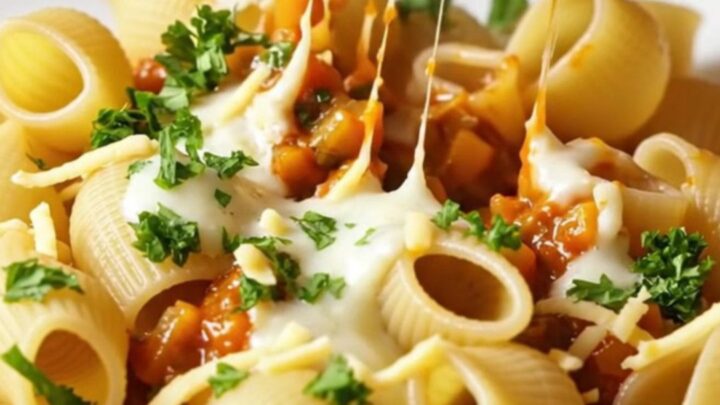
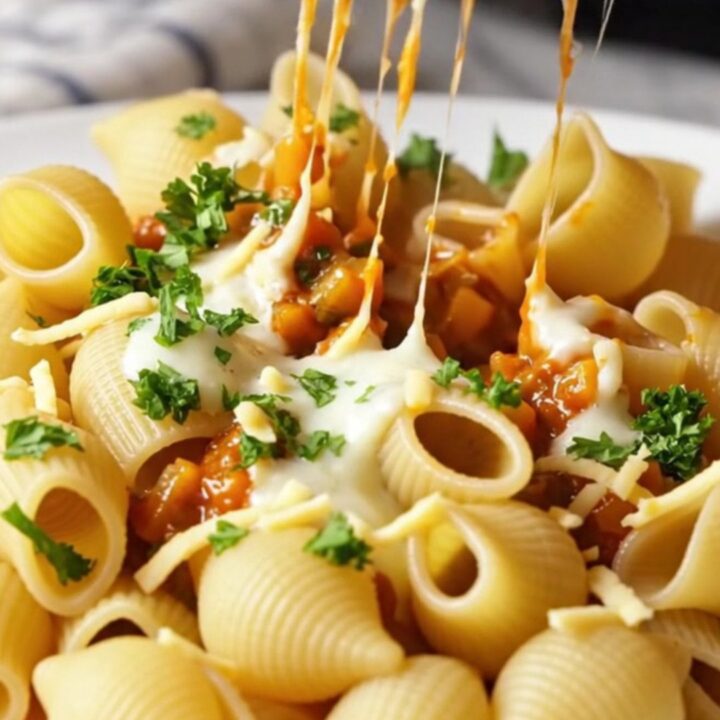
Serve this pasta hot, straight from the skillet, with a generous sprinkle of fresh parsley on top. The cheese should be stretchy and the sauce glossy. A simple green salad with a lemon vinaigrette is a bright, refreshing contrast to the rich, savory pasta. Crusty bread is excellent for sopping up any remaining sauce in the bowl.
This dish is hearty enough to stand alone as a main course, but it also pairs beautifully with roasted chicken or grilled sausages for those who want extra protein. For a vegetarian feast, serve it alongside a caprese salad and some garlic bread. The leftovers are just as delicious cold, tossed into a lunchbox the next day.
Frequently asked questions
Can this be made without a lid?
What can be used instead of pipe rigate?
Why does the sauce sometimes taste bitter?
Can this be frozen?
What is the best way to reheat leftovers?
Whole Roasted Vegetable Shell Pasta
Ingredients
- 4 tbsp olive oil
- 2 baby eggplants, halved lengthwise
- 2 red bell peppers, halved and seeded
- 4 whole tomatoes
- 1 onion, quartered
- 10 oz pipe rigate pasta
- 1 cup shredded mozzarella cheese
- Fresh parsley, chopped, for garnish, to taste
Instructions
- Heat the olive oil in a large oven-safe skillet over medium-high heat. Nestle the halved baby eggplants, red bell peppers, whole tomatoes, and quartered onion into the oil, cut sides down where possible. Cover the skillet with a lid and reduce the heat to medium-low. Cook gently until the vegetables are caramelized and completely soft, about 20 minutes, turning once halfway through.
- Remove the lid and use a potato masher to crush the roasted vegetables directly in the skillet until they form a thick, rustic paste. The mixture should be mostly smooth with some small chunks for texture. Continue mashing until the sauce clings to the masher and looks like a rich red vegetable ragù.
- Bring a large pot of salted water to a boil. Add the pipe rigate and cook until al dente according to the package directions, about 10 minutes. Reserve about 1 cup of the starchy cooking water before draining. Drain the pasta well but do not rinse.
- Add the drained pipe rigate to the skillet with the roasted vegetable sauce. Pour in about 1/2 cup of the reserved pasta water and sprinkle the shredded mozzarella over the top. Toss everything together with a wooden spoon, letting the cheese melt and coat each shell. Add more pasta water a splash at a time if the sauce seems dry.
- Remove the skillet from the heat. Sprinkle with chopped fresh parsley and toss once more. Spoon the pasta into warm bowls, making sure each serving gets plenty of the vegetable sauce and melted cheese. Serve immediately while the cheese is still stretchy and hot.
Estimated nutrition per serving
- Calories
- 520
- Protein
- 18 g
- Carbohydrates
- 70 g
- Fat
- 20 g
Next recipe
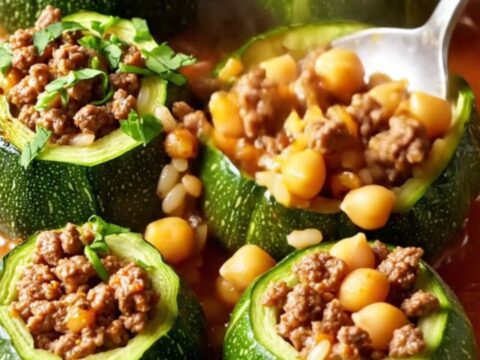
Stuffed Round Zucchini With Beef and Chickpeas
See the recipe → →This recipe is based on a short cooking video and is published under the pen name Clara Weller. It was checked before publication, but errors can slip through. Nutrition, when shown, is an estimate. Read more in our editorial policy and on our food safety page.
More recipes to try

Turkish Crown Pizza Ring with Spiced Sucuk and Mozzarella
Total time: 1 h 55 min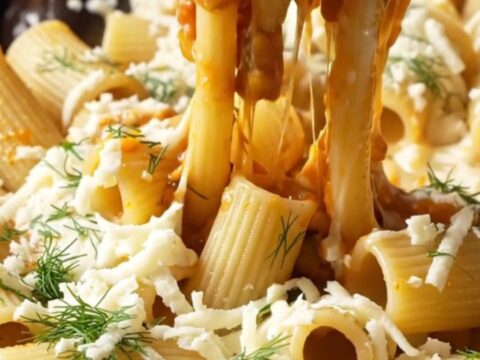
Roasted Vegetable Pipe Rigate Pasta
Total time: 1 h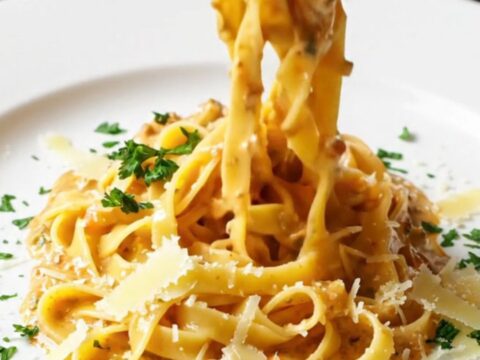
One-Pan Whole Vegetable Tagliatelle: Creamy Garden Pasta
Total time: 45 min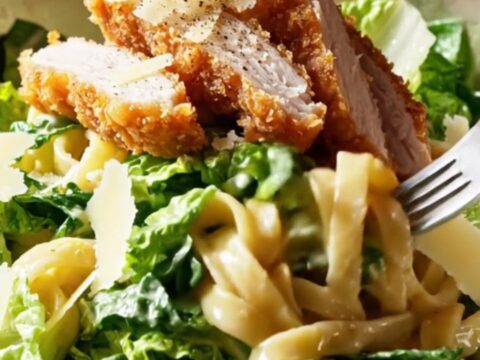
Crispy Chicken Caesar Pasta Salad
Total time: 35 min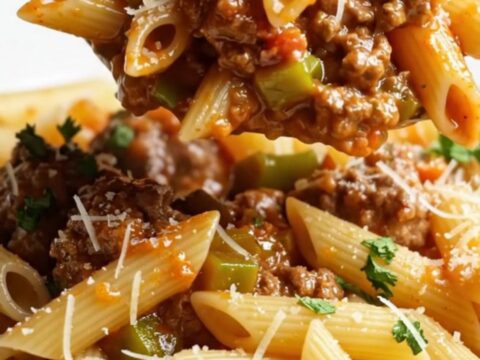
One-Pan Whole Vegetable Meatball Penne
Total time: 50 min