Desserts · Part 1 of 3: Ingredients
Whole Lemon Blender Pound Cake with Tangy Glaze
- Prep
- Cook
- Total
- Serves
- 10
This whole lemon blender pound cake is a revelation: the entire lemon – peel, pith, and all – goes into the blender, releasing a burst of citrus oil and fragrance that infuses every crumb.
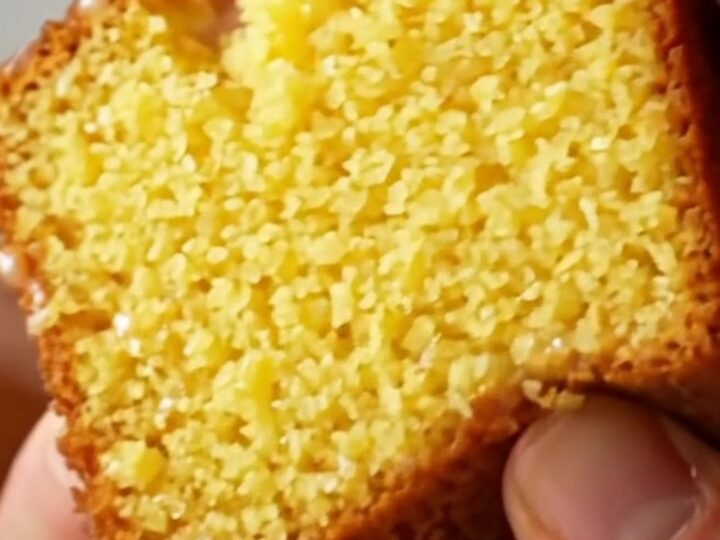
The result is a supremely moist, tender loaf with a bright, tangy flavor that's balanced by a sweet glaze. It's the easiest, most flavorful lemon cake you'll ever make, with no zesting or juicing required.
Imagine a pound cake that tastes like a sunny lemon grove, with a crumb so moist it practically melts. This recipe achieves that by blending a whole lemon with the wet ingredients, ensuring every bite carries the essence of the fruit.
The batter comes together in minutes, and the oven does the rest. A simple glaze adds a tangy sweetness that complements the cake's natural citrus notes.
Ingredients
- 1 whole organic lemon, seeded and cut into wedges
- 3 large eggs
- 1 cup granulated sugar (200g)
- 1/2 cup whole milk (100ml)
- 1/2 cup neutral oil, such as canola or sunflower (100ml)
- 2 cups all-purpose flour
- 10 g baking powder
- 1 tsp vanilla extract
Glaze
- 1 cup confectioners' sugar
- 2 tbsp fresh lemon juice
Why this recipe works
Blending the whole lemon is the game-changer here. The peel contains aromatic oils that provide intense lemon flavor, while the pith adds a subtle bitterness that keeps the cake from being overly sweet.
The blender breaks down the fibers, so the cake is incredibly moist and tender, with no need for zesting or juicing.
The oil in the batter keeps the crumb soft and velvety for days. Unlike butter, oil remains liquid at room temperature, ensuring the cake stays moist even after refrigeration. The combination of a whole lemon, oil, and a simple glaze creates a dessert that's both rustic and elegant.
Notes and substitutions
Use an organic lemon if possible, as you'll be blending the entire fruit. If using a conventional lemon, scrub it well to remove any wax.
Remove the seeds to avoid bitterness. The lemon should be cut into wedges so it blends easily, and the blender should run until the mixture is completely smooth.
The glaze is a simple mixture of confectioners' sugar and fresh lemon juice. Adjust the consistency to your liking: a thinner glaze soaks into the cake, while a thicker one stays on top. For a more intense lemon flavor, add a little lemon zest to the glaze.
- whole milk: Any milk (dairy or plant-based) works; the cake will be slightly less rich with lower-fat options.
- neutral oil: Melted coconut oil or unsalted butter (cooled) can replace the oil, though the texture may be a bit denser.
- all-purpose flour: For a gluten-free version, use a 1:1 gluten-free flour blend. The crumb may be more tender, so handle gently.
- organic lemon: If using a non-organic lemon, scrub it well and remove any wax. The peel is essential for flavor.
Equipment
- Blender
- Mixing bowls
- Whisk
- 9x5-inch loaf pan
- Parchment paper
- Cooling rack
- Small saucepan (optional for glaze)
Up next · Part 2 of 3
5 steps · 42 min of cooking · what to look for at each stage
Step-by-step instructions (Part 2)