Desserts · Part 2 of 3: Instructions
Bright Whole-Lemon Blender Cake with Lemon Glaze Step-by-step instructions
- Prep
- Cook
- Total
- Serves
- 10
Before you start
Before starting, heat the oven to 350°F (175°C) and position a rack in the center. Grease a 9x5-inch loaf pan and line it with parchment paper, leaving an overhang on the long sides to make lifting the cake easy.
Wash the lemon thoroughly and cut it into wedges, removing any seeds. Measure all the ingredients and have them ready. The blender, mixing bowl, and whisk should be within reach. This recipe comes together quickly, so having everything prepped ensures a smooth process.
Ingredients at a glance (10)
- 1 whole lemon, washed
- 3 large eggs
- 1 cup vegetable oil
- 1 cup milk
- 1 cup granulated sugar
- 2 cups all-purpose flour
- 1 1/2 tsp baking powder
- 1/2 tsp salt
- 1 cup confectioners' sugar
- 2 tbsp fresh lemon juice
Instructions
Blend and Mix
- Prepare the BatterHeat the oven to 350°F (175°C). Grease a 9x5-inch loaf pan and line it with parchment paper, leaving an overhang on two sides. Wash the whole lemon thoroughly and cut it into wedges, removing any seeds. Place the lemon wedges in a blender along with the eggs, oil, milk, and sugar. Blend on high for 2 minutes until the mixture is completely silky and smooth. In a large bowl, whisk together the flour, baking powder, and salt.Look for The blended mixture should be pale yellow and completely smooth, with no visible pieces of lemon.Tip Scrape down the sides of the blender once or twice to ensure every bit of lemon is fully pureed.
- Pour into PanPour the batter into the prepared loaf pan and smooth the top with a spatula. Tap the pan gently on the counter a few times to release any large air bubbles.Look for The batter should fill the pan about halfway up the sides.Tip If the batter seems too thick, add a tablespoon of milk to loosen it slightly.
The blender mixture should be a pale yellow, silky liquid with a fragrant lemon aroma. When you pour it into the dry ingredients, it should be thin enough to stir easily but not watery.
The batter should be smooth and slightly glossy, with no lumps of flour. It will be more liquid than a typical cake batter, which is expected and contributes to the moist crumb.
Bake to Golden
- Bake the CakePlace the loaf pan in the preheated oven and bake for 45 minutes, until the cake is golden brown and domed on top. A toothpick inserted into the center should come out clean or with only a few moist crumbs attached.Look for The top should be deeply golden and spring back lightly when pressed.Safe temperature 160°F (71°C) internal temperature (egg dishes)Tip If the top browns too quickly, loosely cover it with foil for the last 10 minutes of baking.
- Cool SlightlyRemove the cake from the oven and let it cool in the pan for 10 minutes. Then, using the parchment overhang, lift the cake out of the pan and place it on a wire rack. Let it cool for another 10 minutes, so it is still warm but not steaming.Look for The cake should feel firm to the touch and pull away slightly from the sides of the pan.Tip Cooling on a rack prevents the bottom from becoming soggy.
The cake will rise and dome in the oven, turning a deep golden brown. The kitchen will smell intensely of lemon and toasted sugar. When you press the top gently, it should spring back without leaving an indentation. A toothpick inserted into the center will come out clean, and the edges will have pulled slightly away from the pan.
Glaze and Serve
- Make the GlazeIn a small bowl, whisk together the confectioners' sugar and fresh lemon juice until smooth. The glaze should be thick but pourable; add a little more lemon juice if needed.Look for The glaze should be glossy and smooth, with no lumps of sugar.Tip For a thicker glaze, add more confectioners' sugar a tablespoon at a time.
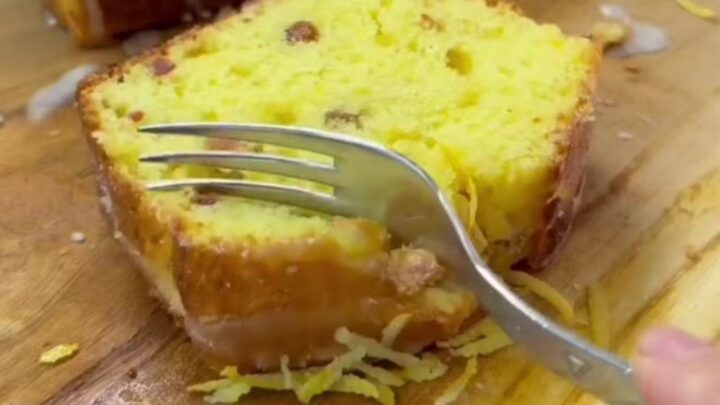
- Glaze the CakePour the glaze over the warm cake, spreading it gently with a spatula to cover the top. Let the glaze set for about 10 minutes before slicing.Look for The glaze should form a thin, translucent white layer over the crust, with some dripping down the sides.Tip Glazing while the cake is still warm helps the glaze soak in slightly, creating a lovely crust.
The glaze should be thick but pourable, and when poured over the warm cake, it will create a translucent, glossy layer that drips down the sides. As it sets, it will become slightly crackly on top. The cake should be warm enough that the glaze soaks in slightly, but not so hot that it melts completely.
Common mistakes
One common mistake is overmixing the batter after adding the flour, which can develop gluten and make the cake tough. Stir just until the flour is incorporated, with a few streaks remaining. Another issue is not blending the lemon long enough—it should be completely pureed, with no visible chunks.
If the lemon is not fully blended, the cake will have pockets of bitter pith. Finally, be sure to check the cake at 40 minutes, as ovens vary, and cover it with foil if it is browning too fast.
How to tell it’s done
The cake is done when it is deeply golden brown and the top springs back lightly when pressed. A toothpick inserted into the center should come out clean or with only a few moist crumbs attached—no wet batter.
The internal temperature should read at least 160°F (71°C) in the center. If the top browns too quickly, cover it loosely with foil for the last 10 minutes of baking. Let the cake cool in the pan for 10 minutes before lifting it out.
- Egg dishes: 160°F (71°C) in the thickest part
Up next · Part 3 of 3
4 variations · storage & make-ahead · 5 answers · printable card
Tips, FAQ & printable recipe (Part 3)← Back to the ingredients (Part 1)