Appetizers · Part 2 of 3: Instructions
Whipped Ricotta and Roasted Fig Tartines Step-by-step instructions
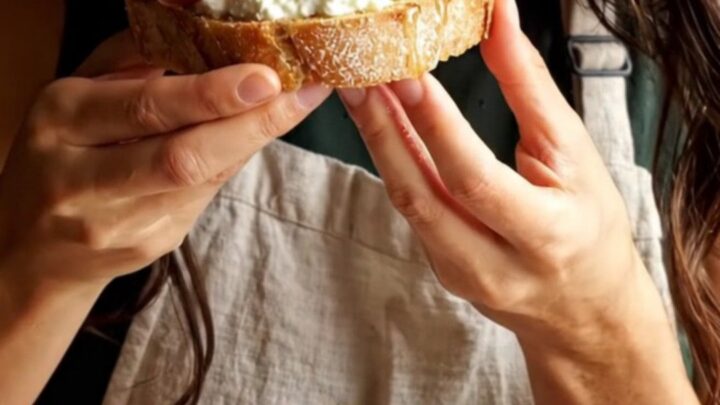
- Prep
- Cook
- Total
- Serves
- 4
Before you start
Before you begin, ensure your food processor is clean and dry. Have your sourdough bread sliced to your preferred thickness, ideally about half an inch. Wash the figs gently, pat them dry, and remove any tough stems before halving them.
Preheating your broiler is a critical first step, as the high heat is necessary to caramelize the honey and figs quickly without overcooking them. Gather all your ingredients on the counter for a smooth, efficient assembly process once the cooking begins.
Ingredients at a glance (8)
- 150 g whole-milk ricotta
- 15 ml olive oil
- 1 tsp lemon zest
- 4 ripe black mission figs, halved
- 15 ml honey
- 4 slices country sourdough bread
- 40 g Parma prosciutto
- 1 tbsp thyme-infused honey, for drizzling
Instructions
Whipping the Ricotta
- Prepare the whipped ricottaPlace the whole-milk ricotta, olive oil, and lemon zest into a food processor. Pulse the mixture until it achieves a light, airy, and cloud-like texture. Scrape down the sides as needed to ensure all ingredients are fully incorporated. Transfer the whipped mixture to a bowl and set aside until ready for assembly.Look for The mixture should look smooth and fluffy, resembling a thick, aerated cream.Tip Ensure the ricotta is at room temperature for the smoothest whipped consistency.
The ricotta is ready when it looks like a thick, white cloud. It should be uniform in color and texture, with the lemon zest evenly distributed throughout. If the mixture appears too thick, add a tiny drop more olive oil to loosen it up. It should be light enough to spread easily with a knife or a spoon without tearing the bread.
Broiling and Toasting
- Roast the figs and toast breadArrange the halved figs on a baking sheet, cut-side up. Drizzle with the honey. Place under a preheated broiler set to 410°F (210°C) for 4 minutes until the figs are bubbling and slightly jammy. Simultaneously, heat a skillet over medium-high heat and char the sourdough slices until golden brown and crispy on both sides.Look for Watch the figs closely as they brown; they should be soft, juicy, and slightly caramelized.Tip Keep a close eye on the broiler to prevent the honey from burning.
The figs are perfectly done when they look jammy, with the honey bubbling around the edges of the fruit. The sourdough should have a deep, dark brown char in patches, indicating it is crispy and ready to hold the toppings. The kitchen should smell aromatic, with notes of toasted bread and warm honey filling the air before you proceed to the final assembly.
Final Assembly
- Assemble the tartinesSpread a generous layer of the whipped ricotta onto each slice of toasted sourdough. Drape the prosciutto over the ricotta, then top with the warm roasted figs. Finish by drizzling with the thyme-infused honey and serve immediately while the components are still warm and the textures are perfectly contrasted.Look for The final assembly should look vibrant, with the white ricotta providing a base for the deep purple figs and pink prosciutto.Tip Assemble just before serving to keep the sourdough from losing its crunch.
The tartines are ready to serve when the assembly is complete and the components are layered beautifully.
The ricotta should remain stable on the bread, the prosciutto should be draped to catch the light, and the figs should be glistening from the honey. Everything should be served immediately to ensure the contrast between the textures remains at its peak.
Common mistakes
Avoid over-whipping the ricotta, which can cause the milk solids and whey to separate, leading to a grainy texture rather than a smooth, creamy one. Do not overcrowd the baking sheet with the figs, as this will cause them to steam rather than caramelize.
Another common mistake is applying the ricotta to the bread too early; doing so while the bread is still very hot can cause the cheese to melt and turn the sourdough soggy, ruining the essential crunch of the tartine.
How to tell it’s done
The dish is ready when the ricotta is light and fluffy, the figs are bubbling and soft, and the sourdough is charred to a deep golden brown. The prosciutto should be draped loosely to maintain its silky texture.
There is no specific internal temperature required for this dish as it does not contain raw proteins that need cooking to a specific safe temperature, but ensure the figs are warm throughout and the bread is crisp enough to provide a firm base.
Up next · Part 3 of 3
2 variations · storage & make-ahead · 3 answers · printable card
Tips, FAQ & printable recipe (Part 3)← Back to the ingredients (Part 1)