Dinner · Part 2 of 3: Instructions
Viral Birria Ramen with Tender Beef and Jammy Eggs Step-by-step instructions
- Prep
- Cook
- Total
- Serves
- 4
Before you start
Before beginning, ensure all your spices are measured and the vegetables are cleaned and chopped. Organize your workspace by gathering the large cast-iron pot for the beef and a separate, large pot for boiling the noodles.
Have your serving bowls set out so you can assemble the ramen immediately after the noodles are drained to maintain the ideal temperature and texture.
Ingredients at a glance (8)
- 2 lb bone-in beef shank
- 6 cups dried chile broth with aromatics
- 4 servings fresh curly ramen noodles
- 4 large soft-boiled marinated eggs, halved
- 1/2 cup sliced radishes
- 1/2 cup diced white onion
- 1/4 cup fresh cilantro, chopped
- 2 whole lime wedges
Instructions
Braising the Beef
- Braise the BeefPlace the beef shank into a heavy cast-iron pot with the dried chile broth, charred onions, garlic, cumin, and Mexican oregano. Cover and braise on low heat for 3 hours until the meat reaches 145°F (63°C) and is fall-apart tender. Remove the meat to rest for at least 3 minutes before shredding, ensuring the pot remains covered to keep the broth hot.Look for The beef should be extremely tender and easily pull away from the bone with a fork.Safe temperature 145°F (63°C) internal temperature (steaks, chops and roasts)Tip Maintain a gentle simmer throughout the braising process to prevent the broth from becoming too salty as it reduces.
The beef should be completely tender and pull away from the bone with minimal effort. The kitchen should smell deeply aromatic, with the scent of dried chiles and cumin filling the air. Before shredding the meat, ensure the broth is rich, dark, and seasoned to your preference, as this is the soul of your ramen.
Boiling the Noodles
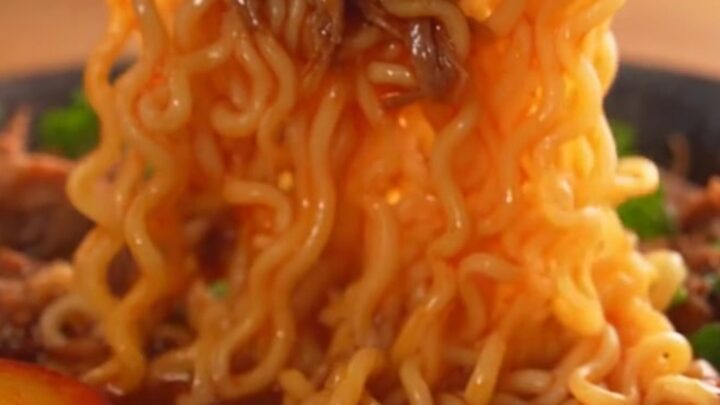
- Boil the NoodlesBring a large pot of water to a rolling boil. Add the fresh curly ramen noodles and cook for exactly two minutes until they are bouncy and chewy. Drain the noodles thoroughly using a colander, then divide them into deep Japanese ceramic ramen bowls.Look for The noodles should be al dente, maintaining a springy texture that holds up well in the hot broth.Tip Have your serving bowls ready to go so the noodles do not stick together after draining.
The noodles must be bouncy, chewy, and cooked through but still firm to the touch. They should be drained thoroughly to ensure they do not water down the rich consomé. Once drained, they should be immediately divided into your waiting bowls to prepare for the addition of the hot, flavorful beef broth.
Final Assembly
- Assemble the BowlsStrain the hot birria consomé through a fine-mesh strainer directly over the noodles in each bowl, ensuring they are well-coated with the aromatic broth and chili oil. Top each portion with a generous mound of shredded beef and a halved jammy egg. Garnish with diced white onions, fresh cilantro, and a squeeze of lime wedge. Serve immediately while hot and steaming.Look for The broth should be vibrant and aromatic, with a clear layer of seasoned chili oil on the surface.Safe temperature 160°F (71°C) internal temperature (egg dishes)Tip Taste the broth before serving and adjust the seasoning if necessary to ensure the perfect balance of spice and salt.
Each bowl should be visually vibrant, with the deep red broth highlighting the fresh, crisp green cilantro and white onions.
The shredded beef should be glistening with chili oil, and the jammy egg should be perfectly positioned. The dish should be served immediately while the broth is steaming and the textures are at their peak.
Common mistakes
A common mistake is rushing the braising process. The beef needs the full three hours to become tender; if you pull it too early, it will remain tough. Another error is overcooking the noodles.
Since they will sit in hot broth, they should be pulled from the boiling water while they still have a slight bite to prevent them from becoming soggy during the final serving stage.
How to tell it’s done
The beef is done when it reaches an internal temperature of at least 145°F (63°C) and pulls apart easily with a fork.
The eggs should be cooked to 160°F (71°C) to ensure they are safe, though they remain jammy. The noodles are done when they are bouncy and chewy, having cooked for exactly two minutes in boiling water.
- Steaks, chops and roasts: 145°F (63°C) in the thickest part, then a 3-minute rest
- Egg dishes: 160°F (71°C) in the thickest part
Up next · Part 3 of 3
2 variations · storage & make-ahead · 3 answers · printable card
Tips, FAQ & printable recipe (Part 3)← Back to the ingredients (Part 1)