Dinner · Part 1 of 3: Ingredients
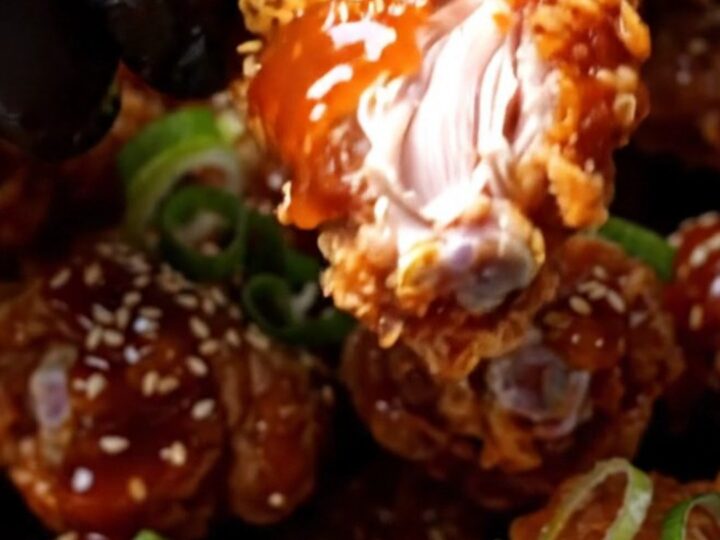
Ultra-Crispy Korean Double-Fried Chicken Wings
- Prep
- Cook
- Total
- Serves
- 4
Discover the secret to achieving the ultimate Korean-style wing crunch in your own kitchen. This method utilizes a double-fry technique paired with a delicate, bubbling batter to create a texture that stays crispy long after it leaves the heat. It is a restaurant-quality experience brought to life with simple, high-impact ingredients that transform basic drumettes into a crave-worthy main course.
Korean fried chicken is globally renowned for its signature double-fried shell, which is remarkably thin, glass-like, and shatteringly crispy. Unlike traditional American-style wings that rely on heavy batters, this approach uses potato starch and sparkling water to create a light, airy coating that perfectly absorbs a sticky, spicy-sweet gochujang glaze.
This recipe guides you through the essential double-fry process, ensuring your wings achieve that iconic golden finish and tender, juicy interior every time you cook them.
Ingredients
Chicken
- 2 lb wing drumettes
Batter
- 1 cup potato starch
- 1 tsp grated ginger
- 4 minced garlic cloves
- 1/2 cup cold sparkling water
Glaze
- 1/3 cup gochujang
- 3 tbsp honey
- 2 tbsp soy sauce
Garnish
- toasted white sesame seeds for serving
- thinly sliced scallions for serving
Why this recipe works
The double-frying method is the fundamental secret to the signature texture of Korean chicken. The first fry cooks the meat through at a lower temperature, while the second flash-fry at a higher heat dehydrates the outer layer of the starch coating. This rapid moisture loss results in a shatteringly crisp crust that acts as a barrier, keeping the interior meat succulent and preventing the wings from becoming soggy when tossed in the glaze.
Using cold sparkling water in the batter provides an immediate lift. As the carbonated bubbles hit the hot oil, they expand rapidly, creating a porous and airy structure that remains light rather than dense.
This scientific reaction is crucial for achieving that authentic, delicate crunch that distinguishes Korean fried chicken from other styles, ensuring the coating is never heavy or doughy, even after being lacquered in the rich, savory gochujang-based sauce.
Notes and substitutions
Potato starch is the preferred choice for this recipe because it produces a lighter, more translucent, and crunchier crust than all-purpose flour or cornstarch. If potato starch is unavailable, cornstarch serves as a suitable alternative that provides a comparable crispness.
Always use high-quality gochujang paste, as its deep, fermented flavor profile is the backbone of the glaze, providing that essential balance of heat and sweetness that defines the dish.
A heavy-bottomed wok is the ideal vessel for this recipe because it distributes heat efficiently and allows for easy tossing. If a wok is not available, a deep Dutch oven or a heavy-duty pot will suffice for the frying process.
Ensure the oil is at the correct temperature before adding the wings; using an accurate kitchen thermometer is essential to prevent the chicken from becoming greasy or unevenly cooked during the two distinct frying stages.
- potato starch: cornstarch can be used as a direct substitute for a similar crispy texture.
- cold sparkling water: ice-cold club soda or plain water works well to create the light, airy batter.
Equipment
- heavy wok
- whisk
- mixing bowl
- tongs
- thermometer
Up next · Part 2 of 3
3 steps · 9 min of cooking · what to look for at each stage
Step-by-step instructions (Part 2)