Appetizers · Part 1 of 3: Ingredients
Ultra-Crispy Cheesy Potato Croquettes
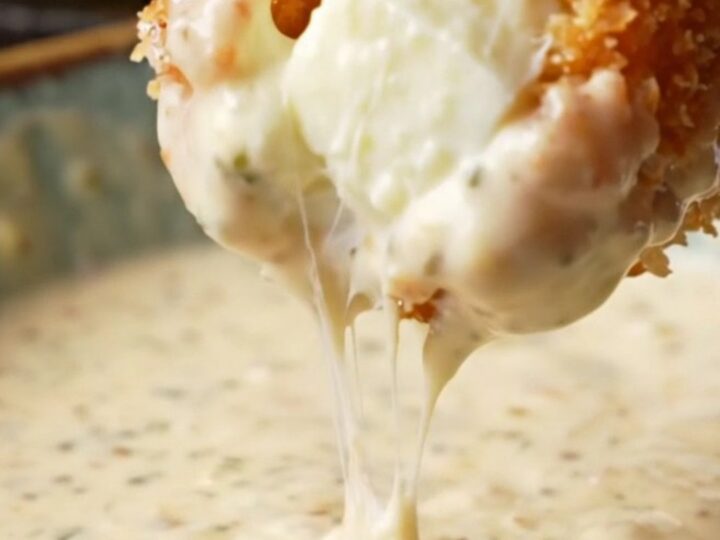
- Prep
- Cook
- Total
- Serves
- 6
This is the recipe that broke the internet: ultra-crispy potato croquettes with a molten mozzarella heart. The outside shatters like glass, the inside is fluffy and savory, and the cheese pulls for days. Deep-fried to a deep amber brown, these little nuggets are the ultimate party appetizer, game-day snack, or indulgent side.
Dunk them into cool, creamy garlic ranch dip and you'll understand why they earned 67 million views. Crisp, cheesy, and completely irresistible—these croquettes are about to become your new favorite thing to fry.
Potato croquettes are a classic comfort food, but this version takes them to a whole new level. The secret is a simple potato dough seasoned with garlic, paprika, and parsley, wrapped around a thick cube of whole-milk mozzarella. When fried at the right temperature, the exterior turns shatteringly crisp while the cheese inside melts into a gooey, stretchy center.
The contrast of textures is pure magic: crunchy, creamy, and cheesy in every bite. Serve them hot with a cool, herby ranch dip, and watch them disappear in minutes. Whether you're hosting a party or just craving something indulgent, these croquettes deliver big flavor with minimal fuss.
Ingredients
- 1 kg russet potatoes, boiled and mashed
- 5 tbsp cornstarch
- 1 tsp garlic powder
- 1 tsp smoked paprika
- 1 tsp fine sea salt
- 2 tbsp finely chopped fresh parsley
- 200 g whole-milk mozzarella, cut into 1-inch cubes
- 4 cups vegetable oil, for frying
For serving
- 1 cup garlic herb ranch dip, for serving
Why this recipe works
Boiling and mashing russet potatoes creates a smooth, starchy base that holds together beautifully when mixed with cornstarch. The cornstarch acts as a binder and also contributes to the crispy exterior, because it absorbs moisture and helps the surface brown and crisp up during frying. The seasonings—garlic powder, smoked paprika, and salt—are mixed directly into the dough, so every bite is flavorful, not just the outside.
The mozzarella is cut into thick cubes and pressed firmly into the center of each potato ball. Whole-milk mozzarella has the ideal melt: it becomes creamy and elastic without turning watery or greasy.
Sealing the cheese completely inside the dough ensures it stays molten during frying, so when you crack open a croquette, you get that dramatic, cheesy pull. Frying at 350°F (175°C) cooks the outside to a deep golden brown while the inside heats through evenly, melting the cheese to perfection.
Notes and substitutions
Russet potatoes are the best choice because they are high in starch and low in moisture, which makes them mash into a fluffy, dry dough that fries up crisp. Yukon Golds also work, but they are slightly waxier, so you may need to add a little more cornstarch to get the right consistency. Make sure the potatoes are completely dry after boiling—excess water will make the dough sticky and difficult to shape.
For the cheese, use whole-milk mozzarella, preferably low-moisture, because it melts smoothly and doesn't release too much liquid. Cut it into 1-inch cubes so each croquette gets a generous, gooey center.
The garlic herb ranch dip is store-bought or homemade; if making your own, combine sour cream, mayonnaise, garlic powder, dill, and chives. The dip is optional but highly recommended—it adds a cool, tangy contrast to the hot, crispy croquettes.
- russet potatoes: Yukon Gold potatoes work well; they are slightly waxier but still mash into a smooth dough.
- whole-milk mozzarella: Low-moisture part-skim mozzarella melts well and is easier to cube.
- vegetable oil: Canola or peanut oil are good neutral frying oils with high smoke points.
- garlic herb ranch dip: Use store-bought ranch dressing or a simple mix of sour cream, garlic powder, and herbs.
Equipment
- large pot
- potato masher
- mixing bowl
- deep heavy pan
- slotted spoon
- paper towels
- instant-read thermometer
Up next · Part 2 of 3
5 steps · 20 min of cooking · what to look for at each stage
Step-by-step instructions (Part 2)