Desserts · Part 1 of 3: Ingredients
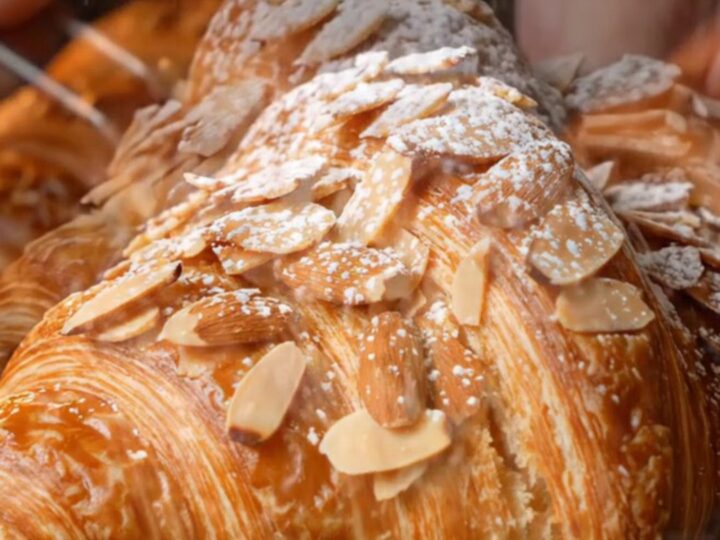
Twice-Baked Almond Croissants with Rum Frangipane
- Prep
- Cook
- Total
- Serves
- 6
Turning day-old croissants into something spectacular is the ultimate kitchen hack for anyone who loves French patisserie. This recipe breathes new life into slightly stale pastries, transforming them into a warm, indulgent treat that tastes like it came straight from a professional bakery.
With just a few pantry staples, you can create a sophisticated dessert that impresses guests or elevates a quiet weekend morning at home. Experience the perfect harmony of textures and flavors with every bite.
Twice-baked almond croissants are a classic French pastry technique, designed to maximize flavor and reduce food waste. By soaking the croissants in a fragrant syrup and filling them with a rich, buttery almond frangipane, you create a dessert that is moist, aromatic, and deeply satisfying.
This method ensures that even the most modest day-old croissant becomes the centerpiece of your breakfast or tea time. Follow these steps to achieve that signature crunch and soft, flavorful center that defines a true almond croissant experience.
Ingredients
Base
- 6 day-old croissants, halved horizontally
Frangipane
- 150 g softened butter
- 150 g caster sugar
- 150 g blanched almond flour
- 2 large eggs
- 20 ml dark rum
Assembly
- 1/2 cup orange-blossom simple syrup
Topping
- 80 g flaked almonds
Finish
- 2 tbsp powdered sugar, for dusting
Why this recipe works
The method of twice-baking is essential because it rehydrates the dry crumb of the older croissant while simultaneously crisping the exterior. The simple syrup provides the necessary moisture, preventing the pastry from becoming overly brittle in the oven, while the frangipane adds a dense, luxurious layer of flavor that binds the structure together.
Whisking the frangipane until creamy is vital for the texture of the finished pastry. This aeration creates a light, stable filling that cooks evenly alongside the croissant. The almond flour provides a nutty, earthy base that balances the sweetness of the sugar and the warmth of the rum, resulting in a complex profile that is both comforting and professional.
Notes and substitutions
Use high-quality blanched almond flour for the smoothest filling possible. If using unblanched almond flour, the texture will be slightly coarser, which is a matter of preference but will change the final appearance.
Ensure the butter is truly softened but not melted, as fully melted butter will create a greasy filling that may leak out of the croissants during baking.
The choice of rum adds a classic depth, but it should be a dark, aromatic variety to complement the almond notes. If you lack a piping bag, a small offset spatula or even a sturdy plastic bag with the corner snipped off works perfectly well for applying the frangipane.
Always use a wire rack for cooling to prevent the bottoms of the croissants from becoming soggy due to trapped steam.
- dark rum: Use almond extract or orange extract for a non-alcoholic variation.
- orange-blossom simple syrup: A basic sugar syrup infused with a dash of vanilla extract works well.
Equipment
- Mixing bowl
- Whisk
- Baking sheet
- Pastry brush
- Piping bag
- Wire cooling rack
Up next · Part 2 of 3
3 steps · 15 min of cooking · what to look for at each stage
Step-by-step instructions (Part 2)