Dinner · Part 2 of 3: Instructions
Tuscan Sausage, White Bean, and Gnocchi Skillet Step-by-step instructions
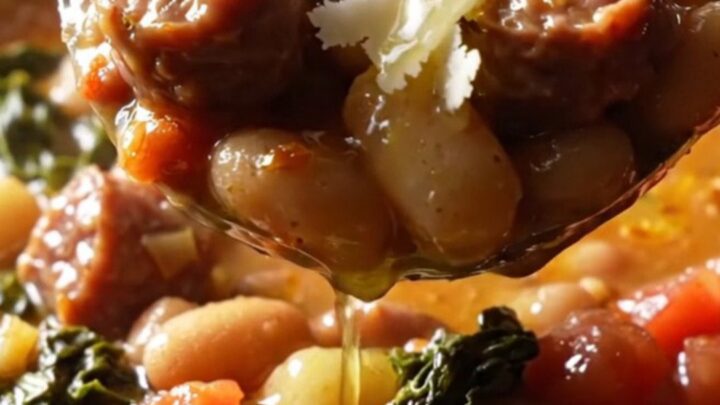
- Prep
- Cook
- Total
- Serves
- 4
Before you start
Before beginning, ensure all ingredients are measured and ready, as this dish cooks very quickly. Finely mince the garlic and chop the fresh rosemary to ensure they distribute evenly throughout the sauce. Drain and rinse the cannellini beans to remove excess starch.
If using fresh kale, remove the tough stems and chop the leaves into bite-sized pieces. Having everything staged near the stove will prevent overcooking the sausage or burning the garlic while you scramble to find missing components.
Ingredients at a glance (11)
- 350 grams sweet Italian fennel sausage
- 4 cloves garlic, minced
- 1 tbsp fresh rosemary, chopped
- 250 grams cannellini beans, drained and rinsed
- 200 grams Roma tomatoes, diced
- 500 grams gnocchi
- 250 milliliters chicken bone broth
- 80 milliliters heavy cream
- 2 cups Tuscan kale, chopped
- 1/4 cup shaved Pecorino Romano, for serving
- Extra virgin olive oil, for serving
Instructions
Browning and Aromatics
- Brown the sausagePlace the skillet over medium-high heat. Add the Italian fennel sausage and cook, breaking it into small crumbles with a wooden spoon, until browned and cooked through. Ensure the internal temperature reaches 160°F (71°C) to guarantee safety. Once browned, add the minced garlic and chopped fresh rosemary, sautéing for one minute until fragrant, ensuring the garlic does not burn.Look for Sausage is browned and garlic is fragrant.Safe temperature 160°F (71°C) internal temperature (ground meat)Tip Using a cast-iron skillet helps develop a deeper, more flavorful crust on the sausage crumbles.
The sausage should be thoroughly browned with a deep color, and the garlic and rosemary should be fragrant without any signs of burning. The fat rendered from the sausage should be shimmering in the skillet, providing a flavorful base for the subsequent ingredients. Ensure the sausage is crumbled into small, uniform pieces to allow for even cooking and consistent distribution throughout the final dish.
Building the Sauce
- Build the sauceStir in the drained cannellini beans and diced Roma tomatoes. Cook for two minutes to allow the flavors to meld together. Pour in the chicken bone broth and heavy cream, bringing the mixture to a gentle simmer. Maintain a steady simmer to ensure the broth thickens slightly and creates a cohesive, flavorful sauce that will coat the gnocchi perfectly.Look for Broth and cream mixture begins to bubble.Tip Use a low-sodium chicken bone broth to better control the final saltiness of the dish.
The mixture of beans, tomatoes, broth, and cream should be simmering gently, creating a cohesive and slightly thickened sauce. The tomatoes should start to break down slightly, releasing their acidity to balance the richness of the cream and sausage.
The sauce should be bubbling consistently across the surface of the skillet, indicating that the temperature is sufficient to cook the gnocchi effectively.
Final Simmer and Wilt
- Simmer and finishAdd the gnocchi to the skillet, ensuring they are submerged in the liquid. Simmer for four minutes or until the gnocchi are tender and plump. During the final minute of cooking, stir in the chopped Tuscan kale until just wilted. Remove from heat immediately, drizzle with olive oil, and garnish with shaved Pecorino Romano before serving while hot and steaming.Look for Gnocchi are tender and kale is bright green and wilted.Tip Do not overcook the gnocchi, or they may lose their desired pillowy texture and become gummy.
The gnocchi should look plump and tender, having absorbed the savory broth. The kale must be wilted and bright green, indicating it is cooked but still retains its structure. The overall consistency should be a thick, creamy sauce that clings to the gnocchi, beans, and sausage, rather than a thin or watery liquid. The dish should be served immediately while the sauce is at its peak silkiness.
Common mistakes
A common mistake is overcrowding the skillet, which causes the sausage to steam rather than brown. Ensure the skillet is large enough to spread the sausage in a single layer. Another error is overcooking the gnocchi, which leads to a gummy texture.
Monitor the simmer closely and remove the skillet from the heat as soon as the gnocchi are tender. Finally, adding the kale too early can result in an unappealing, mushy texture rather than the desired bright, wilted finish.
How to tell it’s done
The dish is done when the gnocchi are tender and have absorbed a portion of the liquid, resulting in a slightly thickened, creamy sauce. The sausage must be fully cooked, reaching an internal temperature of 160°F (71°C).
The kale should be vibrant and just wilted, indicating it has softened without losing its texture. If the sauce becomes too thick before the gnocchi are tender, add a splash of water or additional broth to reach the desired consistency.
- Ground meat: 160°F (71°C) in the thickest part
Up next · Part 3 of 3
2 variations · storage & make-ahead · 3 answers · printable card
Tips, FAQ & printable recipe (Part 3)← Back to the ingredients (Part 1)