Dinner · Part 2 of 3: Instructions
Tuscan Salmon Scallops Vodka Cream Skillet Step-by-step instructions
- Prep
- Cook
- Total
- Serves
- 4
Before you start
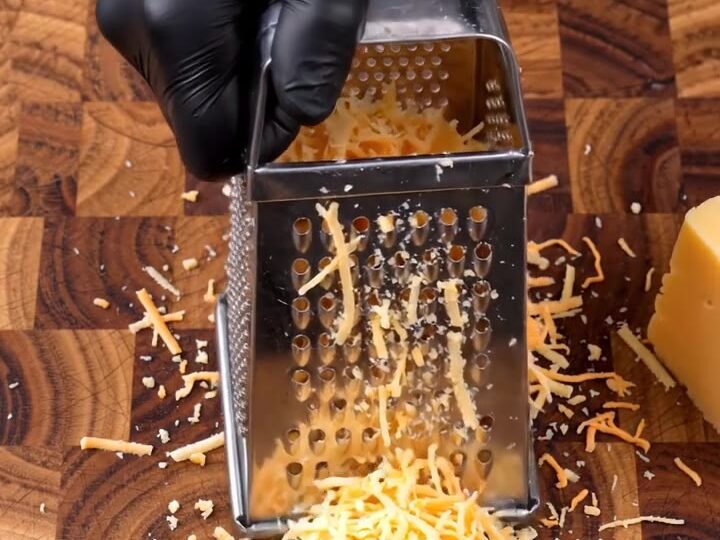
Before cooking, cut the salmon into thick medallions and pat the scallops dry with paper towels. Grate the Parmigiano-Reggiano on a box grater into a fluffy pile.
Have the pink tomato vodka cream sauce ready, and tear the basil into ribbons. Season the seafood lightly with salt and pepper. Heat a large cast iron skillet over medium-high heat so it is hot before adding the butter.
Ingredients at a glance (8)
- 1 1/2 lb salmon fillet, cut into thick medallions
- 1 lb jumbo sea scallops, patted dry
- 1 cup freshly grated Parmigiano-Reggiano cheese
- 2 cups pink tomato vodka cream sauce
- 1/4 cup fresh basil leaves, cut into ribbons
- 2 tbsp unsalted butter
- kosher salt to taste
- freshly ground black pepper to taste
Instructions
Prep and Sear
- Prep the Seafood and CheeseCut the salmon fillet into thick medallions, about 1 1/2 inches wide. Pat the jumbo sea scallops dry with paper towels. Grate a solid wedge of Parmigiano-Reggiano on a box grater into a fresh pile of fluffy grated Parmesan. Season the salmon and scallops lightly with kosher salt and freshly ground black pepper.Look for The salmon medallions are evenly thick, the scallops are dry, and the Parmesan is fluffy and freshly grated.Tip Drying the scallops well ensures a golden sear; any moisture will steam them.
- Heat the SkilletPlace a large cast iron skillet over medium-high heat and let it get hot. Add the unsalted butter and let it melt, swirling to coat the bottom of the pan. The butter should sizzle when the seafood hits it.Look for The butter is melted and foamy but not browned.Tip A hot pan is key for a golden crust; if the butter browns too quickly, lower the heat slightly.
The salmon medallions and scallops are seasoned and ready. The skillet is hot, and the butter is melted.
The salmon and scallops are seared to a golden crust on both sides, with the salmon slightly translucent in the center and the scallops just set. The seafood is arranged in the pan, ready for the sauce.
Build the Sauce
- Sear the SalmonPlace the salmon medallions in the hot skillet, presentation side down. Sear without moving for 3-4 minutes until the underside is golden and releases easily. Flip and sear the other side for 2-3 minutes. The salmon should be opaque at the edges but still slightly translucent in the center.Look for The salmon has a deep golden crust and releases easily from the pan.Safe temperature 145°F (63°C) internal temperature (fish)Tip Resist the urge to move the salmon; let the crust form naturally.
- Sear the ScallopsAdd the scallops to the skillet in a single layer, leaving space between each. Sear for 2-3 minutes per side until deeply golden and opaque. The centers should be just set but still moist. Remove the scallops to a plate and set aside.Look for The scallops have a golden crust and feel springy to the touch.Safe temperature 145°F (63°C) internal temperature (shellfish)Tip If the pan is crowded, sear in batches to maintain heat.
- Return Salmon to PanReturn the salmon medallions to the skillet, nestling them among the scallops. The seafood should be in a single layer, not overlapping.Look for The salmon and scallops are arranged in one even layer.Tip Keep the heat at medium to avoid overcooking the seafood.
The vodka cream sauce is poured over the seafood and simmering gently. The Parmesan is added and melted, creating a creamy, slightly thickened sauce. The aroma is rich and tomatoey with a hint of cheese. The sauce is bubbling softly, and the seafood is coated.
Finish and Serve
- Add the Vodka Cream SaucePour the pink tomato vodka cream sauce over the seafood, ensuring it coats the salmon and scallops. Bring the sauce to a gentle simmer, then reduce the heat to low. Let it bubble for 2-3 minutes so the flavors meld.Look for The sauce is bubbling gently and has turned a warm pink color.Tip Do not boil vigorously; a gentle simmer keeps the seafood tender.
- Add the ParmesanSprinkle the freshly grated Parmigiano-Reggiano over the bubbling sauce. Stir gently to incorporate the cheese into the sauce, letting it melt and thicken slightly.Look for The cheese melts into the sauce, creating a creamy, slightly thickened texture.Tip Grate the cheese fresh for the smoothest melt.
- Finish with Basil and ButterScatter the fresh basil ribbons over the top and add a final pat of butter if desired (or use the remaining butter). Let the butter melt into the sauce, then remove the skillet from the heat.Look for The basil brightens the dish, and the butter gives the sauce a glossy sheen.Tip Add the basil at the end to keep its color and aroma.
- ServeLift a glistening butter-basted piece of salmon or a scallop onto a plate, spooning extra sauce and Parmesan over the top. Serve immediately while hot.Look for The seafood is coated in a creamy pink sauce with flecks of basil and melted cheese.Tip Serve with crusty bread or over pasta to soak up the sauce.
The basil ribbons are scattered over the top, and a final pat of butter melts into the sauce, giving it a glossy shine. The dish is fragrant with basil and butter. The seafood is glistening, and the sauce is pink and creamy. Lift a piece to serve, ensuring each portion gets some sauce and cheese.
Common mistakes
Overcooking the seafood is the most common mistake; salmon and scallops cook quickly and become tough if left too long. Avoid crowding the pan, which lowers the temperature and causes steaming instead of searing.
Do not stir the sauce vigorously after adding the cheese, as it can become stringy. Use low heat when simmering the sauce to prevent curdling.
How to tell it’s done
The dish is done when the salmon reaches an internal temperature of 145°F (63°C) and flakes easily, and the scallops are opaque and firm to the touch, reaching 145°F (63°C).
The sauce should be bubbling and slightly thickened, with the cheese melted. The basil will be wilted slightly but still bright. Serve immediately for the best texture.
- Fish: 145°F (63°C) in the thickest part
- Shellfish: 145°F (63°C) in the thickest part
Up next · Part 3 of 3
4 variations · storage & make-ahead · 5 answers · printable card
Tips, FAQ & printable recipe (Part 3)← Back to the ingredients (Part 1)