Dinner · Part 2 of 3: Instructions
Tuscan Salmon and Scallops in Vodka Cream Sauce for One Pan Dinner Step-by-step instructions
- Prep
- Cook
- Total
- Serves
- 2
Before you start
Gather everything before you turn on the heat, because the dish moves quickly once the seafood is in the pan. Set the salmon fillets and scallops on a plate lined with paper towels and pat them dry on both sides. Season the fish with kosher salt and black pepper, and keep it cold in the refrigerator until you need it. Slice the garlic cloves thinly and tear the basil into rough pieces.
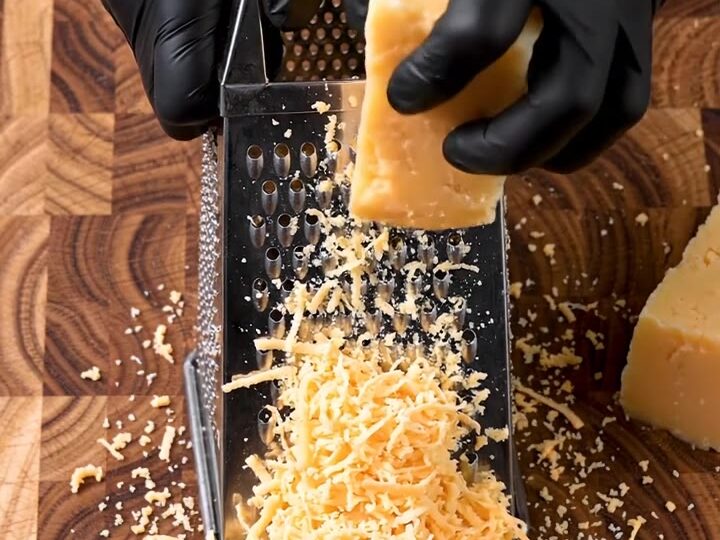
Grate the parmesan-style cheese over the board so you have a generous mound ready to scatter. Measure the vodka, tomato sauce and heavy cream and set them near the stove. Have tongs, a wooden spoon and a plate ready for the scallops. Dry seafood sears to a deep golden color, and prepared ingredients let you move from one step to the next without stopping the sauce.
Ingredients at a glance (11)
- 2 raw salmon fillets, about 5 oz each, skin removed
- 8 large sea scallops, side muscle removed
- 2 tbsp unsalted butter
- 4 cloves garlic, thinly sliced
- 1/4 cup vodka
- 1/2 cup tomato sauce
- 1 cup heavy cream
- 1/2 cup grated hard yellow cheese, parmesan-style
- 8 fresh basil leaves, torn, plus extra for garnish
- kosher salt and black pepper, to taste
- 1 tbsp olive oil, for searing
Instructions
Sear and build the sauce
- Prepare the salmon and scallopsPat the salmon fillets and scallops dry with paper towels. Season both with kosher salt and black pepper. Keep the fish refrigerated until you are ready to cook, and leave it out no more than 30 minutes before searing.Look for The surfaces look dry and matte rather than wet and shiny.Tip Dry seafood browns better and splatters less in the hot skillet.
- Slice the garlic and grate the cheeseThinly slice the garlic cloves. Tear the basil leaves into rough pieces. Grate the parmesan-style cheese on the box grater over the board so it falls in a generous mound, ready to scatter.Look for The garlic slices are thin enough to soften quickly, and the cheese is a fine, fluffy mound.Tip Grate the cheese from a cold block for the finest texture that melts evenly.
After the first phase, the scallops should show golden edges and the salmon should have a light, crisp surface on the skin side. The garlic should be soft and fragrant in the butter, and the vodka should have reduced by about half, leaving a concentrated, slightly sweet aroma.
When you add the tomato sauce and cream, the base should turn rosy and smooth, with a glossy sheen that coats a spoon. Check that no garlic is browned or bitter, and that the sauce is simmering gently without splitting or boiling hard. If the base looks thin, let it simmer a minute longer before moving on. A smooth, rosy sauce is the signal that the seafood is ready to go back into the pan.
Nestle, baste and top
- Sear the scallops and salmonHeat the olive oil in the cast-iron skillet over medium-high heat. Sear the scallops for about 1 to 2 minutes per side until golden at the edges, then move them to a plate. Sear the salmon fillets skin side down for 2 to 3 minutes, then set them aside.Look for The scallops release easily from the pan and show golden edges.Tip Do not crowd the pan, or the seafood will steam instead of browning.
- Soften the garlic in butterReduce the heat to medium. Melt the butter in the same skillet, add the sliced garlic, and cook for 1 to 2 minutes, stirring, until it is softened and fragrant without browning.Look for The garlic turns pale gold and smells sweet and savory.Tip Lower the heat before the garlic colors, so it does not turn bitter.
- Reduce the vodka and add the saucePour in the vodka and let it bubble and reduce by about half, scraping up any browned bits. Stir in the tomato sauce, then the heavy cream, until the base is rosy and glossy. Simmer gently for 3 to 4 minutes.Look for The sauce coats the back of a spoon and looks smooth and rosy.Tip Keep the simmer gentle so the cream stays silky and does not separate.
At the end of the second phase, the salmon and scallops should be nestled in the sauce and covered with a thin layer of rosy cream. The cheese should be spread evenly across the top and begin to melt, turning soft and slightly glossy. You should see the sauce bubble gently around the edges of the fish.
Baste often with a spoon so the surfaces of the seafood stay moist and tender. Check that the salmon is starting to turn opaque at the edges and that the cheese has not burned. If the sauce reduces too quickly, add a splash of water or extra cream. These signs show that the fish is cooking evenly in the sauce and that the crust is forming.
Finish and serve
- Nestle, baste and top with cheeseNestle the salmon fillets and seared scallops into the simmering sauce. Spoon the sauce over them to baste. Scatter the grated cheese and torn basil over the top, then cover and cook 4 to 6 minutes until the salmon is opaque and flaky.Look for The salmon flakes easily and the cheese starts to melt and brown.Tip Baste often so the fish cooks evenly under the sauce.
- Finish cooking and serveFlip the salmon and scallops with tongs and cook 1 to 2 minutes more. Check that the salmon reaches 145°F (63°C) and the scallops are opaque and firm before serving. Garnish with torn basil and a final dusting of cheese, and serve from the skillet.Look for The cheese bubbles with light brown spots and the scallops are opaque.Safe temperature 145°F (63°C) internal temperature (fish)Tip Serve immediately while the crust is crisp and the sauce is glossy.
When the dish is finished, the salmon should separate into flakes with a fork and look opaque all the way through. The scallops should be firm and opaque, with golden edges. The cheese should have melted into a bubbling, lightly browned crust across the top, and the sauce should look glossy and rich. Before serving, check the salmon with an instant-read thermometer, which should read at least 145°F (63°C). Garnish with fresh torn basil and a final dusting of cheese, then bring the skillet to the table while the crust is still crisp and the sauce is hot. Serve promptly so the seafood stays tender and the topping stays crisp.
Common mistakes
The most common mistake is cooking the seafood in a wet or crowded pan. Wet salmon and scallops steam instead of browning, and the color stays pale and flat. Pat both dry and give each piece space in the skillet. Another frequent error is letting the garlic brown during the butter step; once it turns dark, it tastes bitter and can spoil the sauce. Keep the heat at medium and stir often. Boiling the cream hard after adding it can make the sauce separate or turn grainy, so keep the simmer gentle. Finally, avoid adding the cheese too early without basting: basting protects the fish from drying out while the topping melts.
How to tell it’s done
The dish is ready when the salmon is opaque all the way through and flakes easily when pressed with a fork at its thickest point. The scallops should be firm to the touch, milky white and golden at the edges. Check the salmon with an instant-read thermometer inserted into the thickest part; it should reach at least 145°F (63°C) for safe eating.
The sauce should be simmering and glossy, and the cheese should be melted into a bubbling, lightly browned crust. If the salmon is still translucent in the center, return the skillet to low heat, cover it, and cook for another minute or two before checking again. Do not rely on color alone, because the sauce can make the fish look more done than it is.
- Fish: 145°F (63°C) in the thickest part
- Shellfish: 145°F (63°C) in the thickest part
Up next · Part 3 of 3
4 variations · storage & make-ahead · 5 answers · printable card
Tips, FAQ & printable recipe (Part 3)← Back to the ingredients (Part 1)