Desserts · Part 1 of 3: Ingredients
Turkish Süt Helvası: Caramelized Baked Milk Pudding
- Prep
- Cook
- Total
- Serves
- 6
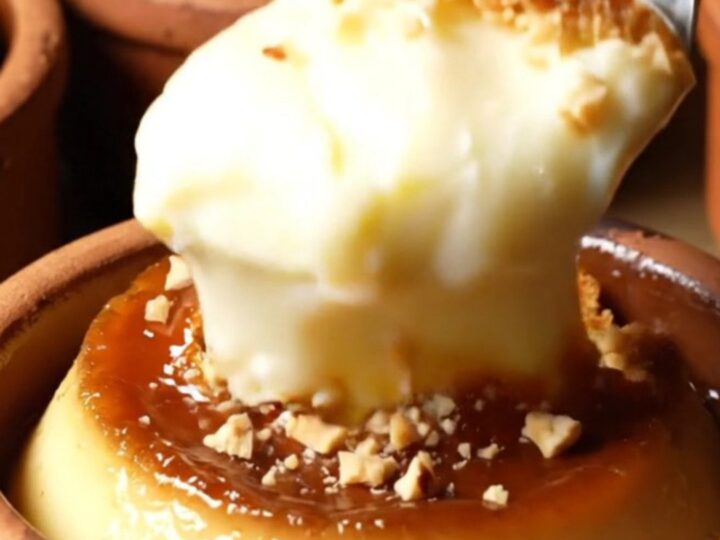
This Turkish süt helvası is a showstopper: a deeply caramelized, blistered golden top that hides a silky, molten vanilla milk pudding. The contrast of textures—crisp, crackly crust and creamy, spoonable custard—is irresistible.
Broiling the pudding at high heat creates that dramatic dark top in minutes, while the inside stays luxuriously soft. Finished with crunchy roasted hazelnuts, it's a dessert that feels both rustic and elegant. Serve it warm for the full experience, and watch it disappear.
Süt helvası, or milk halva, is a beloved Turkish dessert that transforms simple pantry staples into something extraordinary. This version, inspired by Bursa's caramelized baked milk pudding, gets its signature blistered top from a stint under the broiler. The method is straightforward: roast flour in butter, whisk in a sweetened milk custard, then broil until the surface darkens and blisters.
The result is a dessert that's both familiar and surprising—comforting like a classic pudding, but with a dramatic, caramelized crust that adds depth and texture. Perfect for a dinner party or a cozy night in, this süt helvası is sure to become a favorite.
Ingredients
- 100 g unsalted butter
- 100 g all-purpose flour
- 1 liter whole milk
- 200 g sugar
- 1 egg yolk
- 1 tsp pure vanilla extract
- 50 g crushed roasted hazelnuts
Why this recipe works
The technique of roasting the flour in butter before adding liquid is the key to this dessert's nutty, toasted flavor. Cooking the flour for a few minutes until fragrant—but not browned—removes the raw taste and develops a depth that plain flour lacks. This step, borrowed from traditional halva-making, gives the pudding a distinctive, almost praline-like note that pairs beautifully with the caramelized top.
Broiling at high heat is what creates the dramatic, blistered crust. The intense heat caramelizes the sugars on the surface, producing a dark, crackly topping that contrasts with the silky, molten interior.
This method is faster and more reliable than baking, ensuring a deep caramelization without overcooking the custard. The result is a dessert that looks as impressive as it tastes, with a texture that's both crisp and creamy.
Notes and substitutions
Use whole milk for the creamiest texture; lower-fat milks will produce a thinner pudding. The butter and flour are roasted together to create a roux, which thickens the milk into a velvety custard.
Be sure to whisk continuously when adding the milk to prevent lumps. The egg yolk adds richness and helps the pudding set, but it's important not to overcook it—the pudding should be thick enough to coat a spoon but still soft and creamy.
A baking dish or individual clay bowls both work well. Individual ramekins are great for portion control and make a lovely presentation. If using a large dish, adjust the broiling time slightly, as a wider surface will caramelize faster. The hazelnuts are a classic garnish, but you can also use chopped pistachios or almonds. Serve warm, straight from the oven, for the best contrast between the crackly top and the silky interior.
- whole milk: Use 2% milk for a slightly lighter pudding; the texture will be a touch less creamy but still silky.
- unsalted butter: Salted butter works; reduce the added salt in the recipe, though none is added here. Taste before baking.
- pure vanilla extract: Substitute 1 vanilla bean pod, split and scraped, for a more intense vanilla flavor.
- crushed roasted hazelnuts: Use chopped toasted almonds or pistachios for a different nutty crunch.
Equipment
- Medium saucepan
- Whisk
- 8-inch baking dish or 6 small ramekins
- Measuring cups and spoons
- Mixing bowl
Up next · Part 2 of 3
5 steps · 15 min of cooking · what to look for at each stage
Step-by-step instructions (Part 2)